
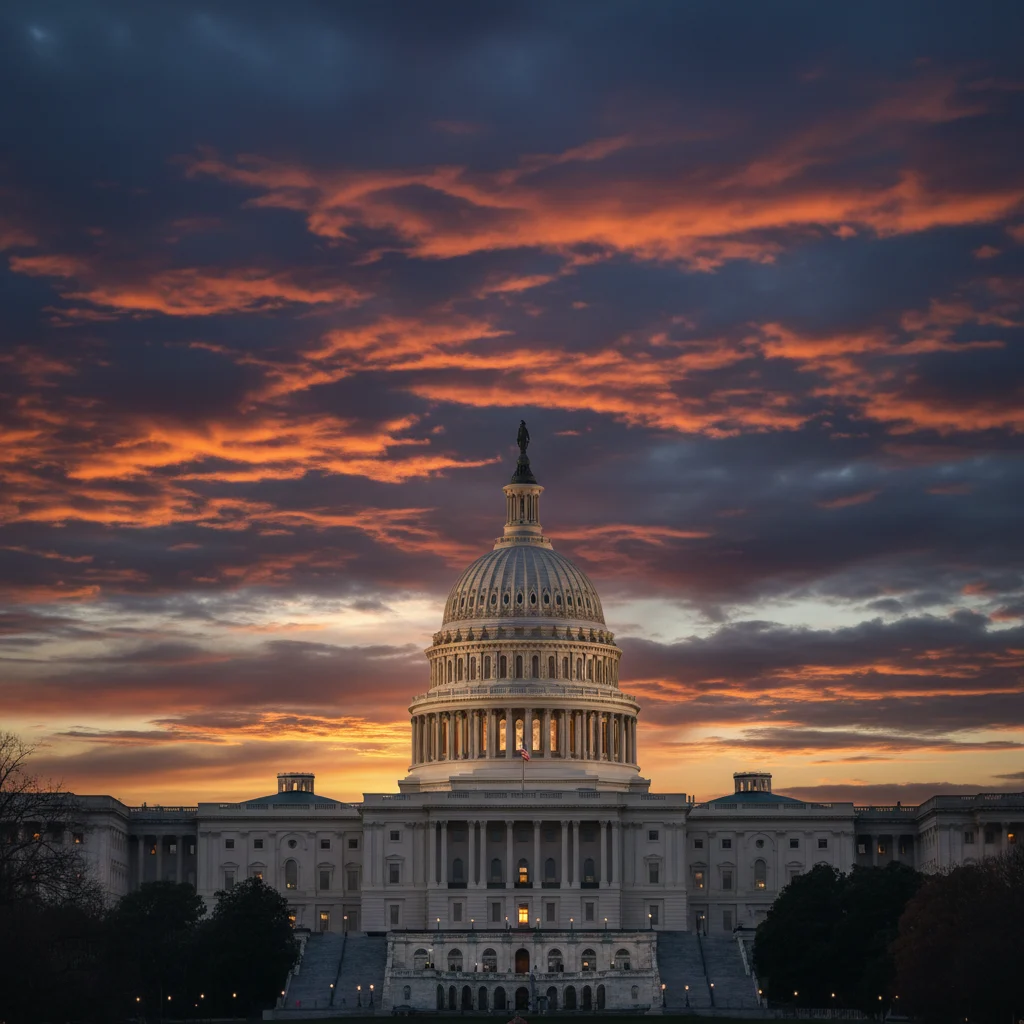
A Ticking Clock in Washington
The midterm elections of 2026 are in the books, and the political map in Washington is shifting once again. For President Joe Biden, the coming weeks represent a frantic, final sprint. This is the lame-duck session of Congress—that brief, high-stakes window where outgoing lawmakers still hold their votes, but the shadow of a new legislative lineup looms over every decision. The White House has no time to waste. With the clock ticking toward a new congressional term in January 2027, the administration is focusing its remaining power on two massive priorities: locking in federal judges and protecting its signature climate achievements from being dismantled.
Thank you for reading this post, don't forget to subscribe!It is a race against the calendar. In politics, time is the ultimate enemy, and the current Democratic majorities know their days are numbered. The strategy is straightforward, but the execution will be grueling. The administration wants to confirm every single pending judicial nominee and distribute as much green energy funding as possible before the doors close on the current session.
The Battle for the Federal Bench
For any administration, judicial appointments are the ultimate legacy play. These are lifetime positions. Long after a president leaves the Oval Office, their appointed judges continue to interpret the law, shape social policy, and rule on executive power. That is why the Senate floor is about to become a battleground.
“We have a narrow window, and we are going to use every single hour of it,” said a senior White House official, speaking on the condition of anonymity to discuss internal planning. “That means late nights, weekend sessions, and zero room for scheduling conflicts. If you are a Democratic senator, your only job right now is to be in that chamber.”
Currently, dozens of judicial nominees are stuck in the Senate pipeline. Some are waiting for votes in the Senate Judiciary Committee, chaired by Senator Dick Durbin. Others are sitting on the executive calendar, waiting for a final vote on the Senate floor. The goal is to surpass the judicial confirmation totals of previous administrations, cementing a diverse, progressive footprint on the federal bench.
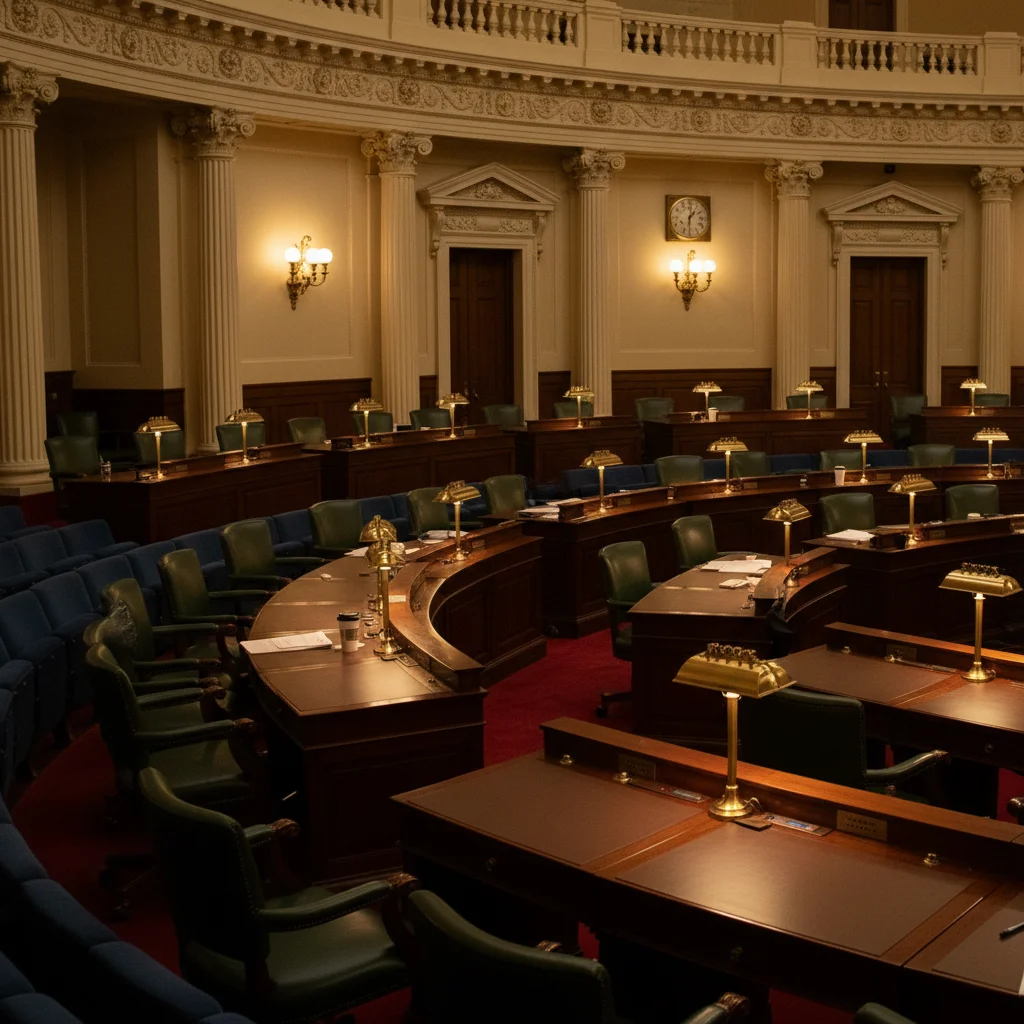
The math, however, is brutal. With a razor-thin majority, Democrats cannot afford absences. A single senator catching a cold or missing a flight could sink a nomination. Progressive advocacy groups are keeping a close watch, publicly urging the leadership to hold votes through holidays if necessary. They know that once January arrives, the confirmation pipeline will likely freeze.
Navigating the Republican Roadblocks
Republicans have no intention of making this easy. Led by their Senate leadership, GOP lawmakers are preparing to use every procedural weapon in their arsenal to slow the process down. They can demand time-consuming roll-call votes on routine motions, drag out debates, and refuse to grant unanimous consent for basic housekeeping measures.
“We are not going to facilitate the rubber-stamping of nominees who we believe are far outside the judicial mainstream,” a Republican leadership aide said. “If the majority wants to ram these confirmations through in the dark of night, they are going to have to work for it. We will make them use up valuable floor time on every single name.”
This procedural warfare means the Senate will likely focus its limited energy on key appellate court vacancies and critical district court seats in battleground states, where the legal stakes are highest.
Safeguarding the Green Transition
While the drama plays out on the Senate floor, a quieter but equally intense battle is happening within federal agencies. The Biden administration is moving quickly to protect its sweeping climate regulations and green energy investments from future political rollbacks.
A primary target is the Congressional Review Act (CRA). Under this law, a new Congress can overturn federal regulations finalized in the final months of the preceding session with a simple majority vote. To avoid this trap, the Environmental Protection Agency (EPA) and the Department of Energy have been working for months to finalize their major rules well ahead of the deadline. These rules cover everything from power plant carbon emissions to tailpipe standards for passenger vehicles.
But finalizing the rules is only the first step. The administration must also defend them in a highly skeptical legal environment. Following recent Supreme Court decisions that stripped federal agencies of long-standing legal deference, the White House is ensuring that every new environmental rule is backed by airtight statutory language. There is no room for sloppy drafting.
Pushing the Climate Cash Out the Door
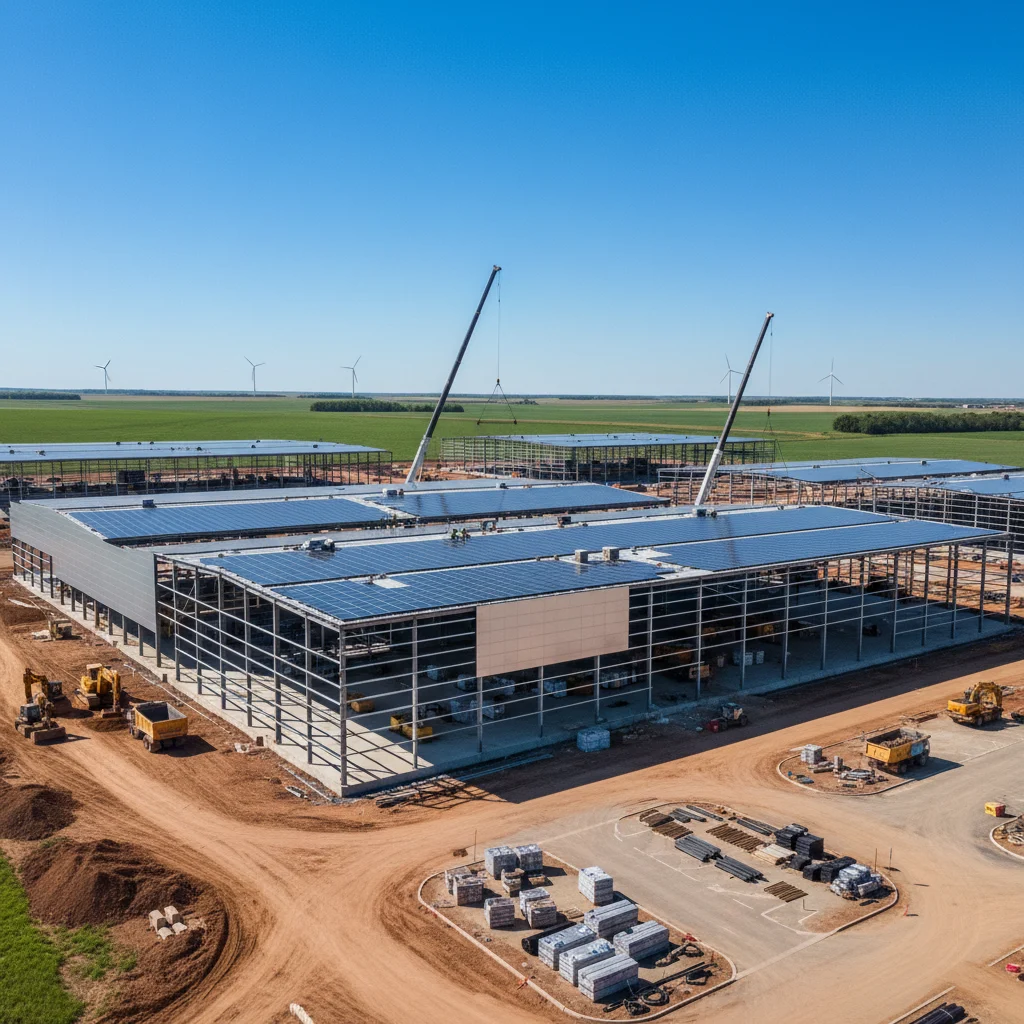
The other half of the defensive strategy involves money. The Inflation Reduction Act (IRA) authorized hundreds of billions of dollars for clean energy projects, manufacturing tax credits, and environmental justice grants. Now, the administration is trying to get those funds out the door and locked into binding contracts.
Under the direction of senior climate advisors, federal agencies are working overtime to finalize grants for solar arrays, battery manufacturing plants, and wind projects. The logic is simple: once a contract is signed, the funds are legally obligated. It is incredibly difficult for a subsequent administration or a hostile Congress to claw back money that has already been legally committed and spent.
“Once ground is broken on a factory in a red or purple state, it becomes a local economic issue, not just a partisan one,” said Michelle Lacour, an independent energy policy analyst. “Local officials, regardless of party, don’t want to lose jobs or investments in their districts. By accelerating these disbursements, the administration is building a political shield around its climate agenda.”
The Looming Budget Showdown
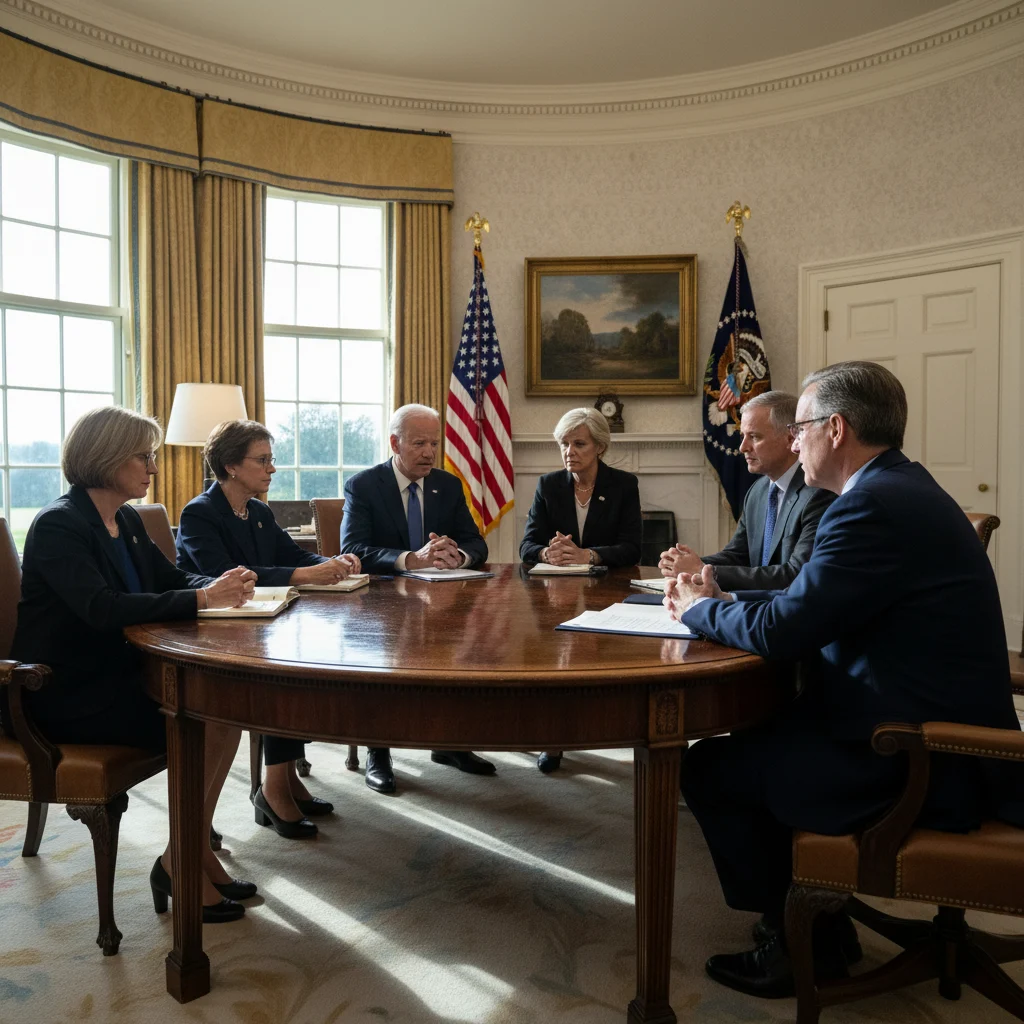
The frantic push for judges and climate funding will take place against the backdrop of a high-stakes budget deadline. Congress must pass a spending bill to keep the federal government running. This budget fight provides Republicans with significant leverage.
Some conservative lawmakers are pushing for a short-term spending measure, known as a continuing resolution, that would extend only into early 2027. This would allow the incoming Congress to write the final budget for the fiscal year, giving them immediate power to defund programs they dislike. Democrats, conversely, want to pass a full-year funding bill during the lame-duck session to protect key agencies from sudden budget cuts.
This budget battle could eat up precious floor time in the Senate. Every hour spent debating spending bills is an hour not spent confirming judges. It is a classic tactical squeeze. White House negotiators are working behind the scenes to find a compromise that keeps the government open without completely stalling the judicial confirmation train.
A Legacy in the Balance
The next few weeks will be exhausting, chaotic, and largely defined by procedural minutiae. Yet, the outcome of this lame-duck session will shape the American political and legal landscape for decades to come.
The goals are clear. The math is known. For the Biden administration, the coming weeks are not about grand legislative deals or soaring speeches. They are about raw political endurance. The clock is running, and every single day counts.
