
Focus Keyword:Jim Jordan Demands Tech
A Race Against the Legislative Clock Jim Jordan Demands Tech
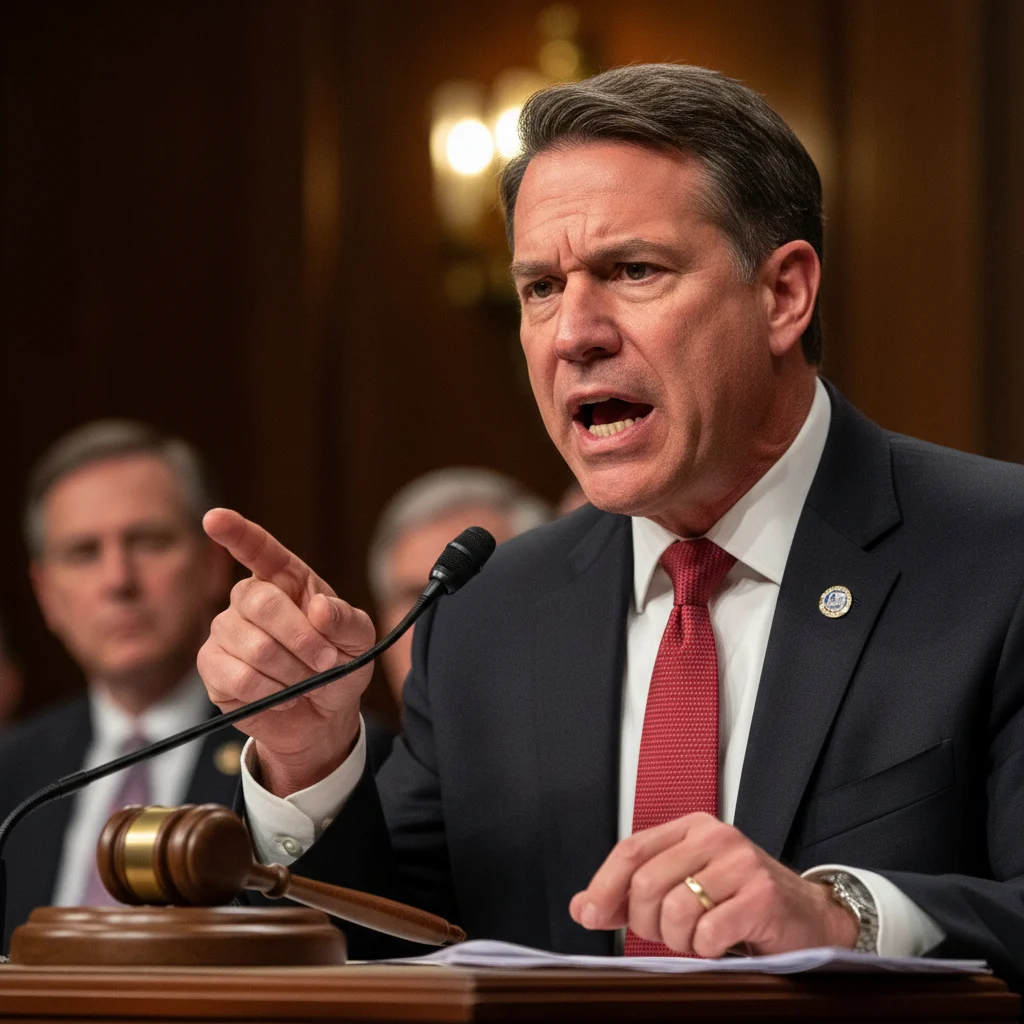
Washington is usually quiet at the end of a congressional term, but not in the offices of the House Judiciary Committee. Chairman Jim Jordan is making a hard, final play. With just weeks left before the 119th Congress draws to a close, the Ohio Republican is ramping up pressure on Silicon Valley. He wants answers, and he wants them now. Jordan has unleashed a fresh wave of subpoena threats directed at some of the most powerful technology executives in the world Jim Jordan Demands Tech
Thank you for reading this post, don't forget to subscribe!It is the culmination of a years-long crusade. For more than two years, Jordan and his allies have accused major tech platforms of working hand-in-hand with federal agencies to silence conservative viewpoints. Now, as the legislative clock winds down, the committee is trying to lock in key testimonies and secure internal documents before their mandate expires. It is a high-stakes game of chicken. If the tech companies stall, they might run out the clock. If Jordan pushes hard enough, he might get the smoking gun his committee has been searching for Jim Jordan Demands Tech
The Targets in the Crosshairs Jim Jordan Demands Tech
This latest round of oversight targets the usual suspects, but with a renewed sense of urgency. Letters and draft subpoenas have been prepared for the leaders of Alphabet, Meta, Amazon, and Apple. The committee wants to know exactly what went on behind closed doors during major national events, including the 2020 and 2024 presidential election cycles, and the height of the COVID-19 pandemic.
Specifically, the committee is demanding internal communications, emails, and Slack messages. They are looking for direct pressure from White House officials, the FBI, and other federal entities. The goal is to prove a coordinated campaign of “coerced censorship Jim Jordan Demands Tech.”
- Alphabet (Google): Under scrutiny for search algorithms and YouTube moderation policies.
- Meta (Facebook and Instagram): Facing intense pressure over how it handled pandemic-related posts and news stories.
- Amazon: Investigated for allegedly suppressing books and self-published titles that questioned mainstream medical advice.
- Apple: Questioned over its app store policies and whether it threatened to deplatform conservative-friendly apps.
Jordan’s team has made it clear that past cooperation is no longer enough. While these companies have already turned over millions of pages of documents, congressional investigators argue that the most sensitive communications have been heavily redacted or withheld entirely under the guise of executive or attorney-client privilege. Jordan wants those redactions goneJim Jordan Demands Tech .

The Weaponization Subcommittee Factor Jim Jordan Demands Tech
A major driving force behind this end-of-year push is the Select Subcommittee on the Weaponization of the Federal Government. Also chaired by Jordan, this body has spent the last two years collecting testimonies from whistleblowers, former intelligence officials, and academic researchers. The subcommittee’s staff has been working quietly behind the scenes, parsing through thousands of pages of internal memos from federal agencies like the Cybersecurity and Infrastructure Security Agency (CISA) and the FBI’s Foreign Influence Task Force Jim Jordan Demands Tech
According to sources close to the committee, investigators believe they have found a pattern. They argue that federal agencies routinely bypassed formal legal channels, instead using informal messaging apps and secure portals to flag content they wanted removed. The upcoming subpoenas aim to match these federal flags with the internal reactions of tech employees. Did tech workers feel compelled to act because of the government’s regulatory power over their businesses? That is the core question Jordan wants answered.
“It is about leverage,” said a Republican committee aide. “These companies are terrified of antitrust lawsuits, of losing Section 230 protections, of new regulations. When a federal agency ‘suggests’ you take down a post, it is not a polite request. It is an implied threat. We need the internal Slack channels to prove how the companies interpreted those requests.”
The Zuckerberg Admission That Changed the Calculus
The timing of this renewed push is not accidental. Late last summer, Meta CEO Mark Zuckerberg sent a letter to the Judiciary Committee that sent shockwaves through Washington. In that letter, Zuckerberg admitted that senior Biden administration officials had repeatedly pressured his teams to censor certain COVID-19 content, including humor and satire. He expressed regret that Meta was not more outspoken about this pressure at the time Jim Jordan Demands Tech
For Jordan, that letter was the ultimate validation. It was no longer a conspiracy theory; it was a written confession from the head of one of the largest communication networks on Earth. “The pressure was real,” Jordan said during a recent media appearance. “We have it in writing from Zuckerberg himself. Now we need to know how deep this goes, and who else was involved Jim Jordan Demands Tech.
Get Free $1000 Amazon Gift Cards

That admission has become the fuel for this late-stage sprint. Investigators are using Zuckerberg’s words as leverage to demand similar disclosures from other tech giants. They argue that if Meta was pressured, it is highly likely that Google, Apple, and Amazon faced similar coercive tactics from the federal government Jim Jordan Demands Tech.
Fierce Pushback from Across the Aisle Jim Jordan Demands Tech
Naturally, the committee’s actions are not happening in a vacuum. House Democrats have slammed Jordan’s latest moves, calling them a desperate, partisan distraction. Ranking Member Jerrold Nadler has repeatedly accused the Republican majority of weaponizing the committee itself to score cheap political points and boost fundraising efforts.
Democrats argue that the investigation is based on a fundamental misunderstanding of how content moderation works. They maintain that tech companies have a responsibility to keep their platforms safe from foreign interference, dangerous medical misinformation, and hate speech. According to Nadler, consulting with government experts during a global health crisis or a national security threat is not “collusion”—it is common sense safety coordinationJim Jordan Demands Tech .
“This is a waste of taxpayer resources,” one Democratic committee staffer said off the record. “We are weeks away from the end of the session, and instead of working on meaningful legislation to help American families, we are chasing the same conspiracy theories we’ve been chasing for two years. It’s theater, plain and simpleJim Jordan Demands Tech .”
The Legal and Temporal Hurdle
Can Jordan actually enforce these subpoenas before the 119th Congress officially ends? That is the multi-million-dollar question. The legal process for enforcing a congressional subpoena is notoriously slow. If a tech executive refuses to comply, the committee must vote to hold them in contempt. Then, the full House must vote on the resolution. After that, the matter goes to the Justice Department, which may or may not choose to prosecute.
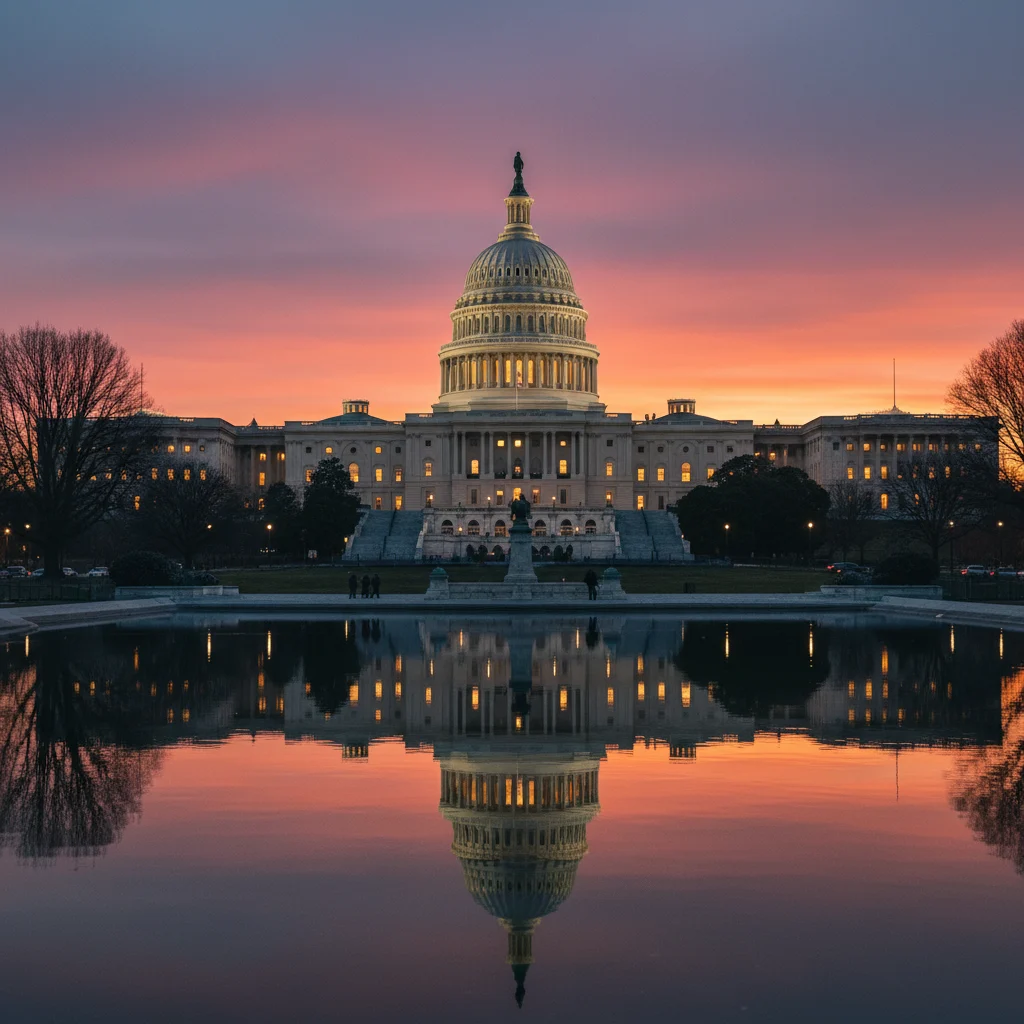
Alternatively, the committee can file a civil lawsuit in federal court to compel compliance. But federal lawsuits take months, if not years, to resolve. By the time a judge makes a final ruling, the current Congress will have dissolved, and any outstanding subpoenas will technically expire with it.
But Jordan is not deterred by the calendar. Even if the subpoenas cannot be fully litigated before the deadline, issuing them now serves a strategic purpose. It sets the stage for the next Congress. It keeps the pressure on the tech firms, signaling that Republicans have no intention of letting this issue slide, regardless of the political layout in the coming year. It also keeps the base energized, proving that the party is continuing to fight what they view as a deeply entrenched bias in the tech industry Jim Jordan Demands Tech.
Jim Jordan Demands Tech What Happens Next?
As the clock ticks down, the tech companies find themselves in a delicate position. They want to avoid a public, hostile confrontation on Capitol Hill, but they also want to protect their proprietary algorithms and internal executive deliberations. Historically, these battles end in compromise. Tech companies agree to “rolling productions” of documents, offering just enough new information to satisfy congressional investigators and avoid a contempt vote.
Whether that strategy will work this time remains to be seen. Jordan is in no mood for half-measures. He knows his time in this specific legislative window is short. He wants headlines, he wants documents, and most of all, he wants to establish a clear precedent: Silicon Valley must answer to Congress Jim Jordan Demands Tech .
The coming weeks will reveal who blinks first. Will the tech giants hold out, hoping to run the clock down to zero? Or will they yield to Jordan’s demands to avoid a messy, public battle on the eve of a new political era? One thing is certain: the war over online speech andJim Jordan Demands Tech. government influence is far from over, and Jim Jordan is determined to have the last word Jim Jordan Demands Tech
