

The Quiet War Over Internet Guardrails
It was supposed to be a rare moment of bipartisan unity in a deeply divided Washington. For months, lawmakers from both sides of the aisle have tried to push through the Kids Online Safety Act, widely known as KOSA. The goal is simple on paper: protect children from the darkest corners of the internet. But behind closed doors, a quiet bureaucratic war is threatening to stall the most significant piece of tech regulation in a generation.
Thank you for reading this post, don't forget to subscribe!The latest flashpoint comes from a private letter sent by Aaron Reitz, Chief of Staff to Senator Ted Cruz, to Senator Richard Blumenthal, the Connecticut Democrat spearheading the bill. The letter, which emerged during a critical phase of negotiations, highlights a fundamental disagreement over who gets to police the web. It reveals that even when lawmakers agree on the problem, they are miles apart on how to enforce the solution.
The Core of the Dispute: Who Polices the Platforms?
At the heart of KOSA is a concept called the “duty of care.” This legal standard would require tech giants like Meta, TikTok, and ByteDance to prevent their platforms from promoting harmful content to minors. This includes material linked to self-harm, eating disorders, substance abuse, and sexual exploitation. If a platform’s algorithms actively push this content on kids, they can be held legally liable.
But who decides what is actually harmful? That is where the consensus crumbles.
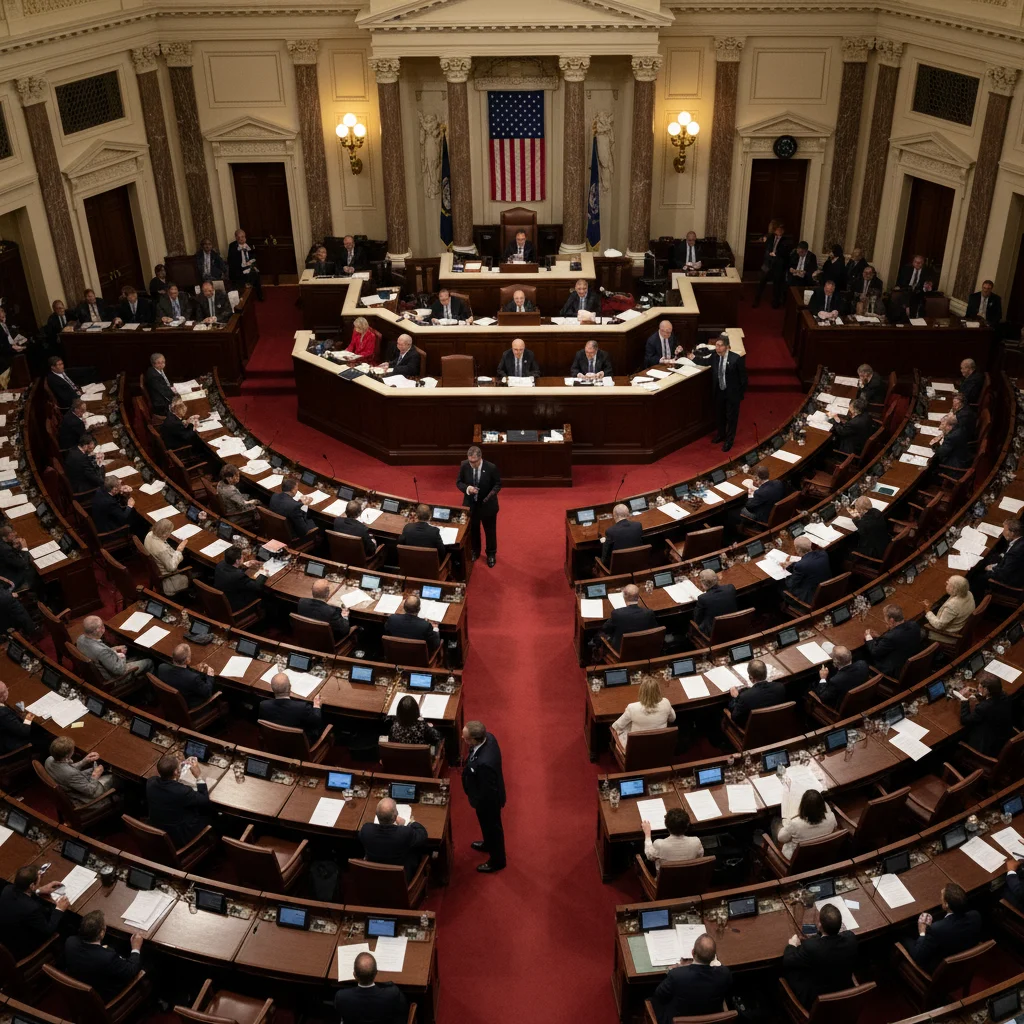
In his formal letter, Reitz raised serious alarms about how these rules would be enforced. The current draft of the bill grants significant power to the Federal Trade Commission and state attorneys general to bring lawsuits against tech companies. Cruz’s team argues this structure is a recipe for political overreach. They fear that a partisan FTC or an ambitious state attorney general could weaponize the vague definition of “harm” to target political speech they simply do not like.
The Fear of Political Weaponization
The concerns raised by Cruz’s office are not just theoretical. Republicans worry that a progressive FTC commissioner could decide that conservative viewpoints on gender, climate change, or traditional family structures are harmful to a child’s mental health. On the flip side, civil liberties groups have expressed mirror-image fears. They worry that conservative state attorneys general might use the law to pressure social media platforms into censoring LGBTQ+ support groups or sex education resources.
To prevent this, Reitz’s letter argues for much tighter guardrails. The Texas senator wants to strip bureaucratic regulators of the power to interpret the law broadly. Instead, his office is pushing for a strictly defined list of harms, leaving little room for subjective interpretation by federal agencies.
Blumenthal’s High-Wire Act
Senator Blumenthal, alongside his primary co-sponsor, Senator Marsha Blackburn, has already made several concessions to keep the bill alive. They have rewritten key sections to focus more on platform design—like disabling autoplay and addictive algorithms—rather than policing specific pieces of content. They also limited the role of state attorneys general to enforce certain aspects of the bill, hoping to soothe conservative fears of localized censorship.
Yet, the letter from Cruz’s top aide shows these concessions may not have gone far enough. The debate is no longer about whether to hold Big Tech accountable. It is a debate about power, trust, and the deep skepticism both parties hold toward federal regulators.
For Blumenthal, the challenge is maintaining the bill’s teeth. If the enforcement mechanisms are watered down too much, the law becomes a paper tiger. Tech companies could easily bypass weak regulations with clever public relations campaigns and minor design tweaks, leaving the status quo unchanged.
What Happens Next?
The timing of this clash is critical. Parents, mental health advocates, and school administrators have been pleading with Congress for years to do something about the youth mental health crisis. Every delay plays into the hands of tech lobbyists, who have spent millions of dollars trying to kill or dilute the legislation.
The pressure is mounting. If KOSA is to pass, Cruz and Blumenthal will have to find a middle ground on enforcement. It is a classic Washington standoff: one side fears the power of unchecked corporations, while the other fears the power of an unchecked state.
For now, the bill remains in legislative limbo. The outcome of this quiet dispute between a Texas conservative and a Connecticut progressive will ultimately decide what the future of the internet looks like for millions of American children.
