
A New Era of Regulatory Limits
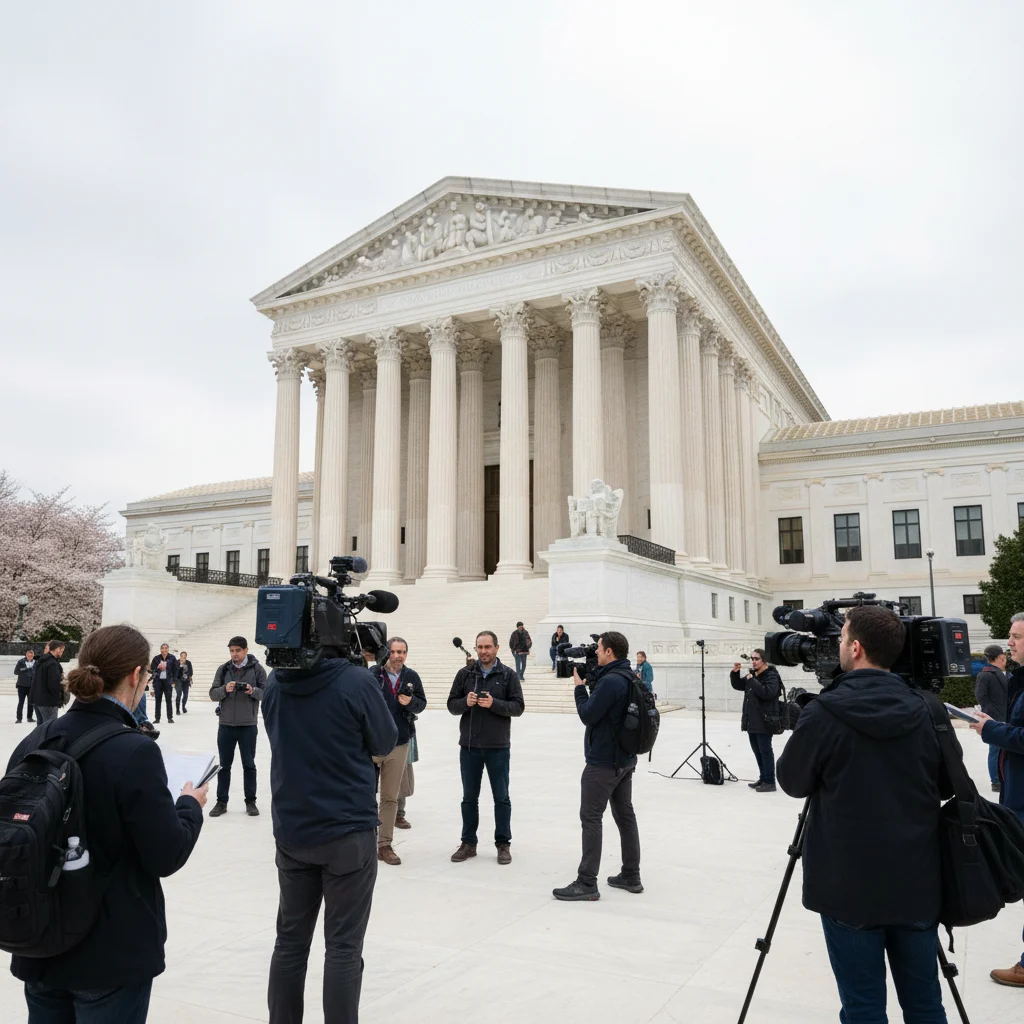
The Supreme Court heard oral arguments on Tuesday in a high-stakes battle over the Environmental Protection Agency’s authority to regulate greenhouse gas emissions from power plants. It is the first major environmental case since the high court struck down the decades-old Chevron doctrine last summer. That landmark decision stripped federal agencies of their long-standing regulatory deference. Now, the EPA must defend its ambitious climate agenda without its favorite legal shield.
Thank you for reading this post, don't forget to subscribe!The Battle Over Carbon Capture
At issue is a sweeping rule finalized by the Biden administration last April. Under the regulation, coal-fired power plants that plan to stay open past 2039, along with new baseload natural gas plants, must capture 90 percent of their carbon emissions by 2032. To achieve this, the EPA is pushing plants to adopt carbon capture and sequestration, or CCS. This sophisticated technology traps carbon dioxide before it escapes into the atmosphere and buries it deep underground.
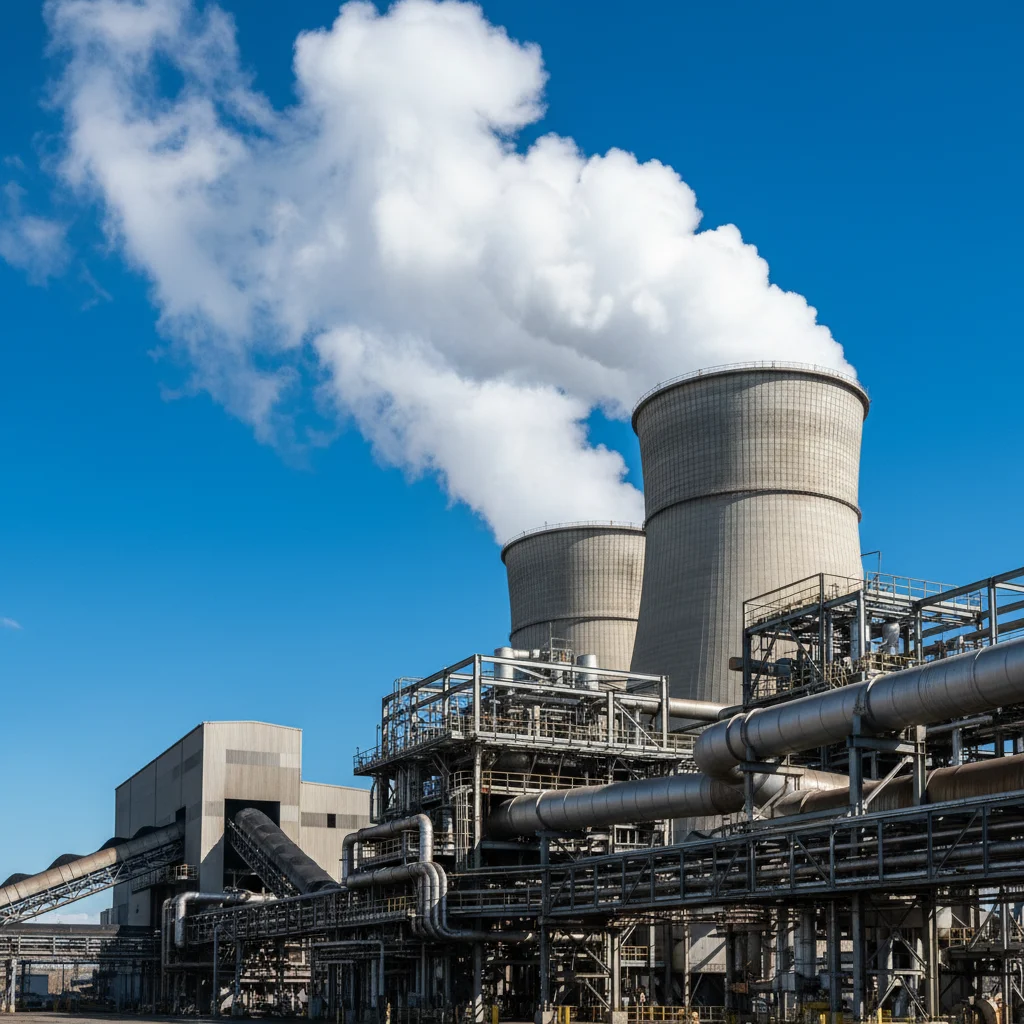
But energy companies and a coalition of conservative states, led by West Virginia, say the mandate is an expensive pipe dream. They argue that CCS is still in its infancy, incredibly costly, and not yet commercially viable for widespread use. In court, industry lawyers claimed the EPA is overstepping its bounds by forcing power plants to adopt technology that is not “adequately demonstrated,” which is the legal standard set by the Clean Air Act.
Justices Split on Agency Authority
The conservative majority on the court seemed highly skeptical of the government’s position. Chief Justice John Roberts questioned whether the EPA was trying to reshape the American energy grid on its own. He noted that such major decisions usually belong to Congress, not unelected regulators. Justice Brett Kavanaugh voiced similar concerns, asking if the tight deadlines would put too much strain on an already fragile electricity grid.

On the other side, the court’s liberal justices defended the agency’s role. Justice Elena Kagan noted that Congress intentionally wrote the Clean Air Act with broad language so the EPA could adapt to new scientific realities and technologies. She questioned how the agency could protect the public if it was blocked from requiring modern solutions.
High Stakes for Climate and Courts
The outcome of the case will have massive ripple effects. If the Supreme Court rules against the EPA, it could effectively derail the White House’s goal of reaching a carbon-free power sector by 2035. But the fallout goes far beyond climate change.
Without Chevron deference, federal judges have the final say on what laws mean, not the agencies tasked with enforcing them. This case will show just how aggressively the court intends to police the administrative state in this new era. A ruling is expected by the end of June.
