
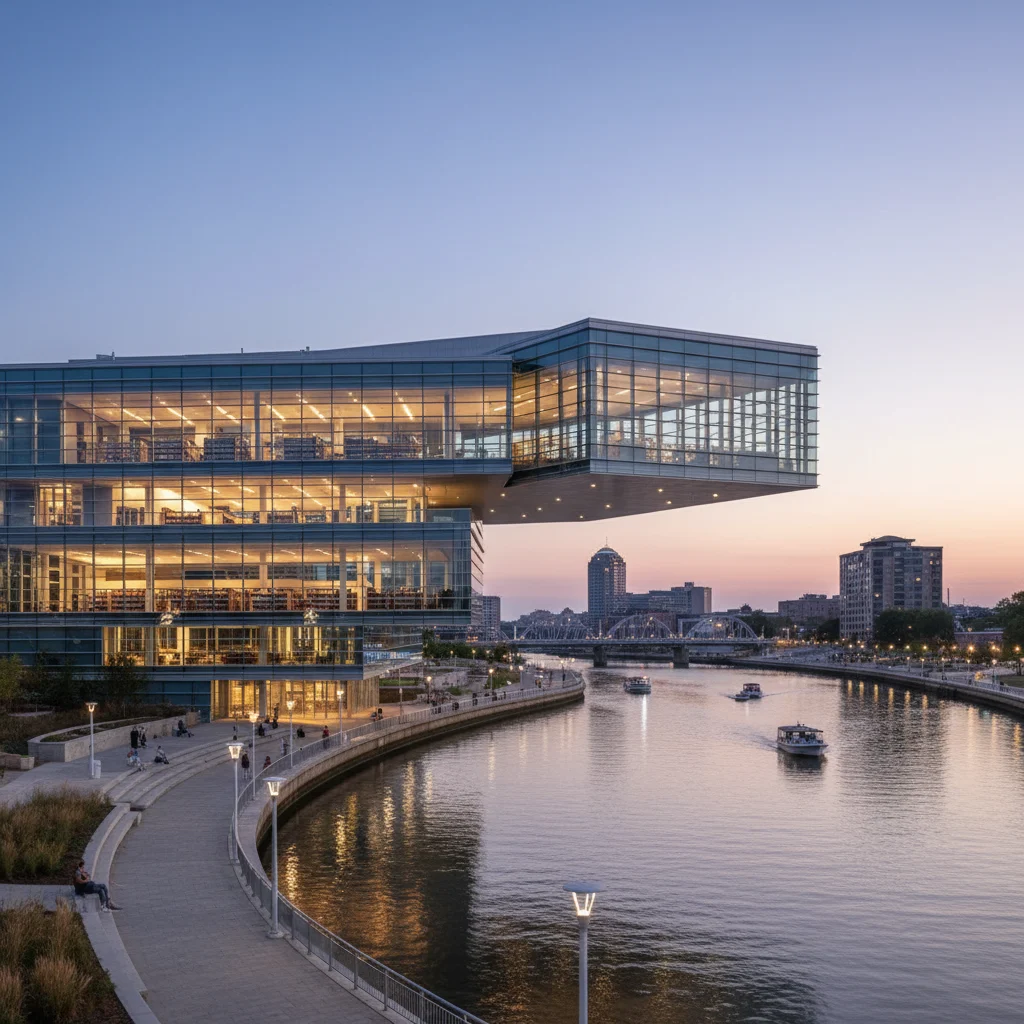
The emails, the handwritten letters on Amtrak stationery, the official state gifts, and millions of digital files—they all need a permanent home. Now, we finally have a clearer picture of where they will land and when the public can see them. Planners behind the newly announced Joe Biden Presidential Center in Wilmington, Delaware, have laid out an ambitious roadmap. It covers everything from the physical groundbreaking to the painstaking process of curating a half-century of political history.
Thank you for reading this post, don't forget to subscribe!The Timeline: From Blueprints to Grand Opening
Building a presidential library is never a quick process. For the Biden team, the clock is already ticking. According to preliminary schedules released by the planning committee, physical construction on the riverfront site is slated to begin in late 2026. If everything goes according to plan, the doors will open to the public in the fall of 2030.
The project will unfold in three distinct phases:
- Phase 1 (2025–2026): Site preparation, environmental assessments, and final architectural design approval. Because the chosen site sits along the industrial banks of the Christina River, soil remediation is a crucial first step.
- Phase 2 (2026–2028): Structural engineering and core construction. This is when the steel and glass frame of the center will rise above the Wilmington skyline.
- Phase 3 (2028–2030): Interior exhibition design, technology integration, and the secure transfer of historical records.
Local officials are already preparing for the influx of activity. Wilmington Mayor Mike Purzycki noted that the city expects the construction phase alone to create over 1,200 temporary jobs, providing a substantial boost to the local building trades. “This isn’t just a monument to a president,” Purzycki said. “It is an economic engine that will reshape our waterfront for generations.”
Curating Fifty Years of Public Life
While architects argue over glass facades and setbacks, a different kind of work is happening in climate-controlled warehouses. Archivists face a monumental task. Unlike recent presidents who entered office with relatively brief federal records, Joe Biden’s career spans more than fifty years. His archive includes thirty-six years in the Senate, eight years as Vice President, and his time in the Oval Office.
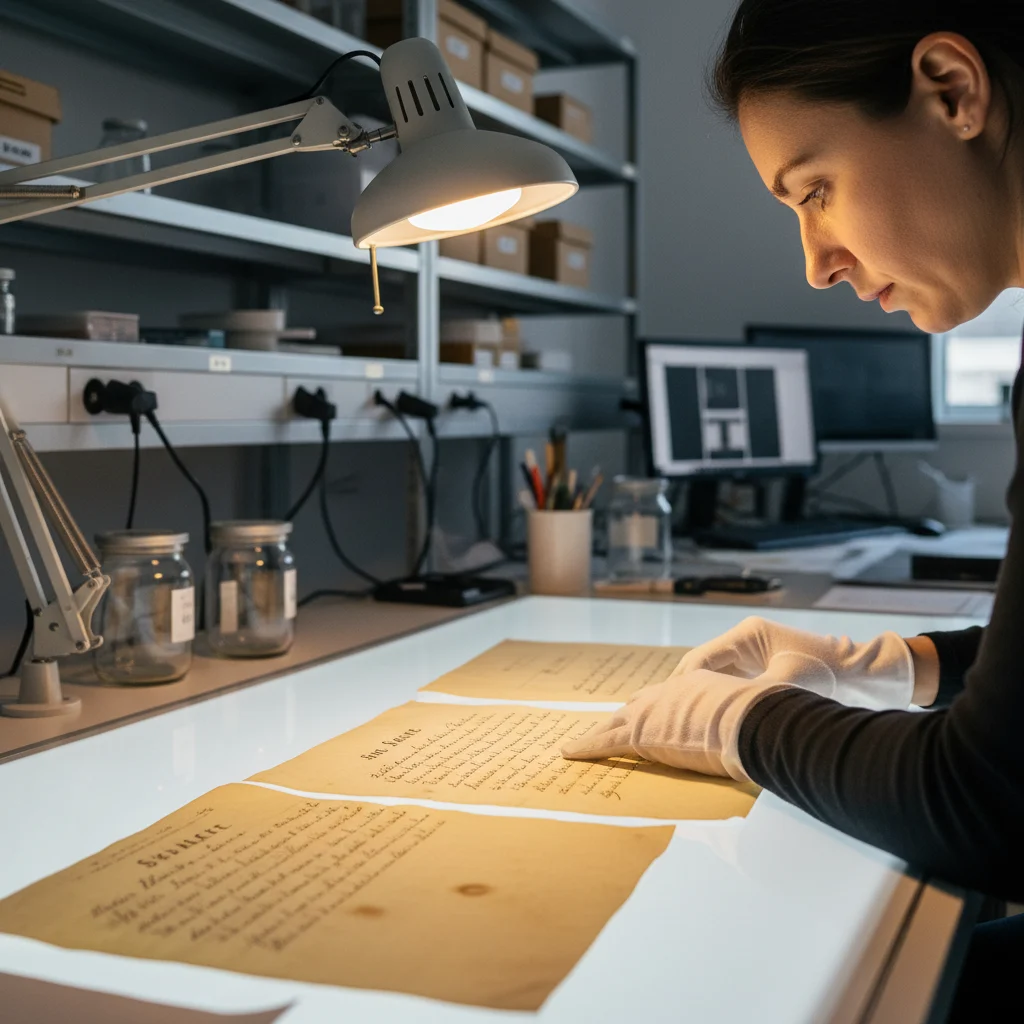
This creates a unique archival challenge. The presidential records are governed by the Presidential Records Act and managed by the National Archives and Records Administration (NARA). However, Biden’s Senate papers, currently housed at the University of Delaware under strict access rules, are private property. Integrating these two massive, distinct collections into a cohesive experience is a puzzle.
Dr. David Ferriero, a former Archivist of the United States who is advising the transition team, described the scale of the work. “You are talking about millions of physical pages, but more importantly, hundreds of terabytes of digital data,” Ferriero explained. “We are building a hybrid institution. It must serve the scholar looking at 1970s committee reports and the high school student interacting with digital displays of the 2020 pandemic response.”
A Digital-First Experience
Museum designers want to move away from the traditional, static cases of documents. The Biden Center plans to utilize immersive digital galleries. Visitors will be able to navigate virtual recreations of the Senate floor, the Situation Room, and even the daily Amtrak commute that defined Biden’s early political brand.
GET FREE $1000 AMAZON GIFT CARD
Still, physical artifacts remain the heart of any presidential museum. Curators are already cataloging items for display. Expected highlights include the original desk Biden used in his Wilmington home during his first Senate campaign, his signature aviator sunglasses, and the Bible used during his multiple swearings-in.
The Waterfront Site and Architectural Vision
The center will sit on a prime parcel of land along the Christina River, just a short walk from the Joseph R. Biden Jr. Railroad Station. It is a highly symbolic location. For decades, Biden made the daily train trip from this station to Washington, D.C., returning home each night to raise his family.
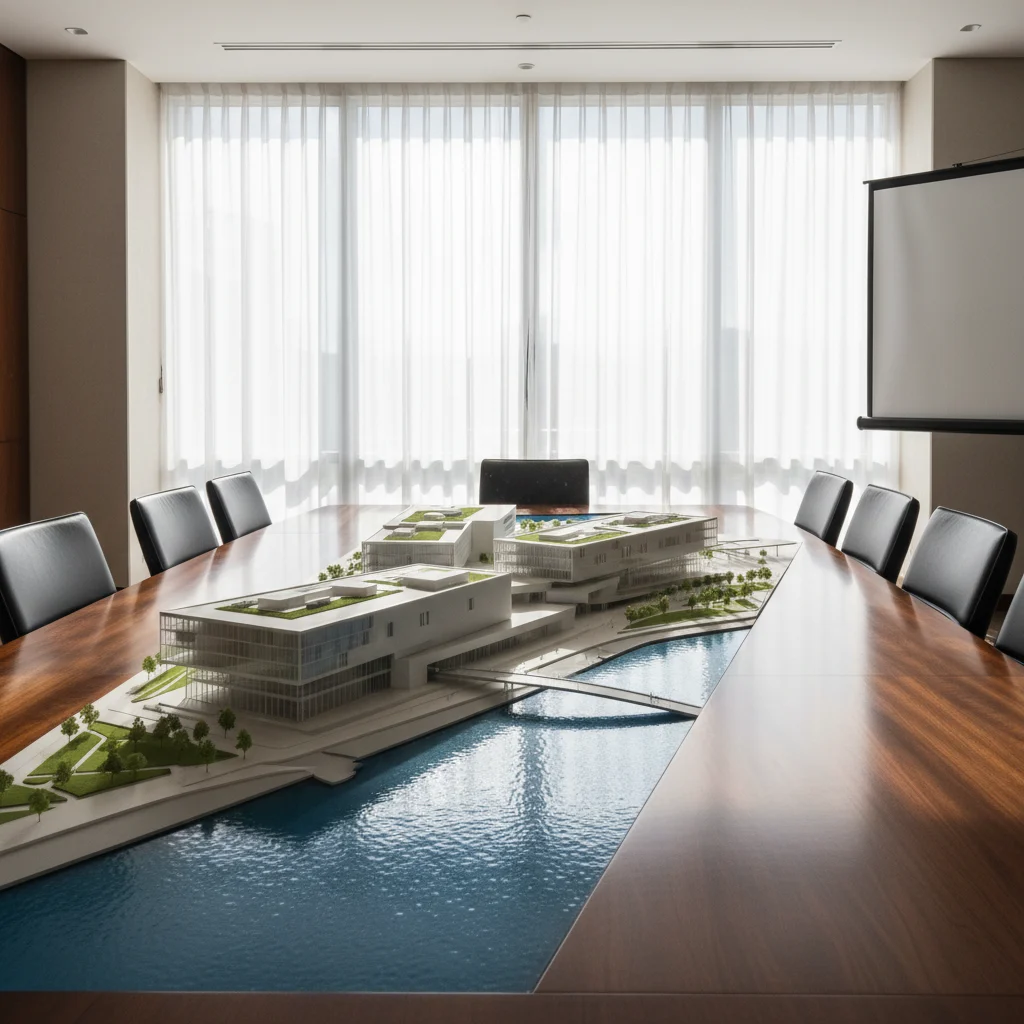
The design team, led by a coalition of national and local architects, aims to blend modern sustainability with Delaware’s industrial heritage. Early sketches hint at a low-slung, transparent structure that maximizes natural light and offers sweeping views of the river. The building will target LEED Platinum certification, reflecting the administration’s policy focus on climate change and green energy.
The campus will feature several key areas:
- The Museum: Interactive galleries open to tourists and school groups.
- The Archive: A secure, state-of-the-art research facility for historians and researchers.
- The Institute: A public policy center hosting forums, lectures, and academic programs in partnership with local universities.
- The Park: Public green space and walking trails connecting the center to the existing Wilmington Riverfront walk.
Funding the $450 Million Dream
A project of this scale comes with a hefty price tag. The total cost of construction, curation, and the establishment of an initial operating endowment is estimated at $450 million. Under federal law, presidential libraries cannot be built using taxpayer money. The entire cost must be raised through private donations to the non-profit Biden Presidential Center Foundation.
Valerie Biden Owens, the president’s sister and a key figure in the foundation, expressed confidence in the fundraising effort. “We have already seen incredible enthusiasm from supporters across the country,” Owens said. “This center will be a place of unity and civic education. It is about looking forward, not just looking back.”
The foundation plans to launch its formal national fundraising campaign in early 2025. Once construction is complete, NARA will operate the archival portion of the facility, while the foundation will continue to manage the museum, the institute, and public programming.
What Lies Ahead
As the planning phase wraps up and the first shovels prepare to hit the dirt, Wilmington is bracing for change. For a city long defined by the chemical industry and corporate registries, becoming the home of a presidential library marks a new era. The transition from a quiet riverfront plot to a national historic hub is underway, one blueprint and one digital archive at a time.
