

The global media scene just got a bit more competitive in Eastern Europe. In an era marked by rapid political shifts and intense debates over media trust, the BBC World Service has officially launched BBC News România. Operating directly out of Bucharest, the new bureau went live in June 2026. It marks a significant return and a fresh chapter for the British broadcaster in the region, aiming to deliver independent, fact-backed journalism to a Romanian audience navigating a highly complex regional environment.
A Divided Region and Historical Echoes
The launch comes at a time of deep political and historical reflection across Eastern Europe. Just across the border, Hungary is grappling with the legacy of its past. The country is marking the 500th anniversary of the Battle of Mohács, a historic defeat that has suddenly become a modern political battleground. Following the collapse of Viktor Orbán’s government earlier this year, the commemoration has morphed into a fierce struggle over national identity. Different political factions are fighting to claim the narrative of what Mohács means for Hungary today. It is no longer just history. It is a live debate about where the country belongs in the modern world.
Meanwhile, the ghosts of the Balkan conflicts still linger. The brutal legacy of Ratko Mladić, the military commander dubbed the “Butcher of Bosnia,” remains a stark reminder of the cost of ethnic division. Decades after the Bosnian war, the scars of his campaign of ethnic cleansing are still wide open, serving as a warning to a region that remains vulnerable to nationalistic rhetoric.
From the Heights of Everest to Climate Crisis in Tibet
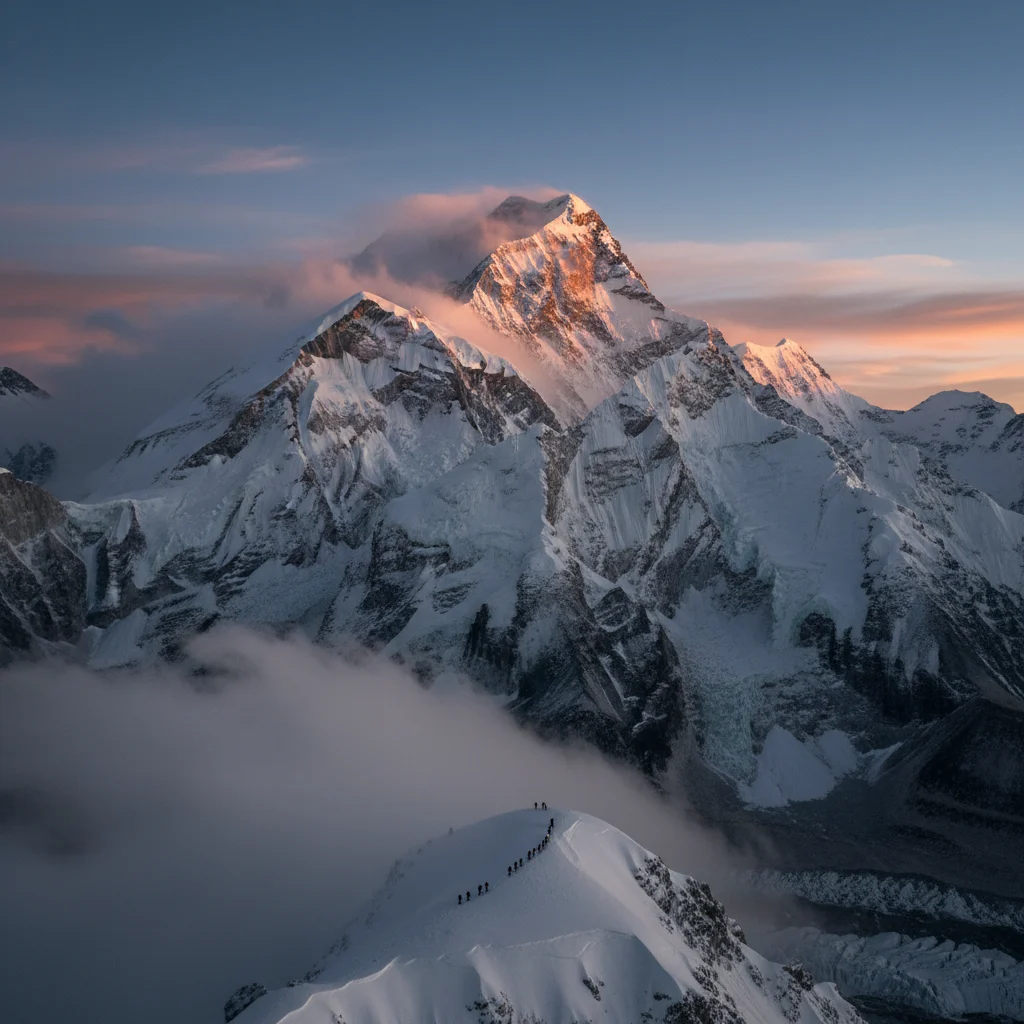
The editorial reach of the newly formed Romanian team extends far beyond local politics, capturing global human interest stories that have remained unresolved for decades. One such story is unfolding on the slopes of Mount Everest. For thirty years, the body of an Indian climber, known simply to the mountaineering community as “Green Boots,” has rested on the frozen mountain. Now, Indian authorities are attempting the perilous task of recovering his remains. The goal is simple but profound: to bring him home so his family can finally hold a traditional funeral service and find closure.
Further down the Himalayan range, environmental disasters are forcing scientists to search for urgent answers. Devastating floods recently tore through Nepal and Tibet, leaving a trail of destruction. While the United States Geological Survey has pointed to a sudden glacier collapse as the primary trigger, international experts are still on the ground. They are trying to piece together the exact mechanics of the disaster, which highlights the growing threat of climate instability in high-altitude regions.
A World in Flux: Taliban Rule and French Scandals
On the geopolitical front, the broadcaster has been tracking the harsh realities of life under the Taliban. Five years after the group recaptured Kabul, Afghan women report that their lives have become completely unrecognizable. The regime has systematically dismantled their rights. By tracking key figures within the Taliban administration, journalists are showing how the group is actively reshaping the country, leaving women isolated from public life, education, and employment.
In Europe, social issues and criminal cases are dominating the headlines. In France, a disturbing case has emerged involving a male civil servant. He stands accused of drugging multiple women to force them to urinate, sparking outrage and raising serious questions about safety and institutional oversight. At the same time, high-profile interviews are giving victims a voice. Gisèle Pelicot recently spoke about her own horrific ordeal. In a candid conversation, she admitted to feeling completely overwhelmed by horror, yet she made a point to emphasize that she refuses to let anger consume her.
Cultural Shifts: The Rebellion Against AI and the Pull of the Natural
Not all news is grim. Some of the most read stories focus on how we live and how technology is changing our self-perception. In a strange twist of cultural irony, artificial intelligence is driving young people to embrace their natural flaws. As AI-generated photos become unrealistically perfect, teenagers and young adults are looking for ways to stand out. The new trend? Embracing real human imperfections, including wrinkles, which some are now treating as an unexpected status symbol. It is a quiet rebellion against the flawless, fake images filling social media feeds.
This craving for authenticity matches a growing medical trend. More women are choosing to have their breast implants removed. According to medical professionals, the shift is driven by a desire for a more natural look, moving away from the dramatic cosmetic standards of previous decades toward body acceptance and comfort. Human nature, it seems, is fighting back against the artificial.
From the wooden piles that have kept Venice afloat for over sixteen centuries to the enduring legacy of country music legend Dolly Parton—who has sold over 100 million albums and won 11 Grammys over her 60-year career—the appetite for stories that connect us remains strong. As BBC News România establishes its voice in Bucharest, its mission is to bring these global perspectives and deep local reporting directly to Romanian screens.

Omer Faruk
Omar Faruk is a digital content creator and online publisher passionate about sharing useful information, trending news, and practical guides for internet users. He focuses on creating engaging and easy-to-understand content related to global news, entertainment, technology, online earning, and lifestyle topics.
With a strong interest in digital media and SEO-friendly content writing, Omar Faruk continuously works to build informative platforms that help readers stay updated and make better online decisions.
He believes in delivering valuable, accurate, and user-friendly content that serves a global audience and improves everyday digital experiences.