
The End of the Giant Bomb Era?
For years, the GBU-43/B Massive Ordnance Air Blast—colloquially dubbed the “Mother of All Bombs” or MOAB—represented the ultimate display of American conventional firepower. But as the Pentagon drafts its 2026 munitions requirements, defense planners are quietly asking a difficult question: Does this 21,600-pound behemoth still have a place in modern warfare?
The answer, increasingly, seems to be no. The shift isn’t about the bomb’s destructive capability, which remains terrifyingly high. Instead, it reflects a fundamental pivot in how the U.S. military expects to fight its next major conflict. With the Pentagon preparing for a potential confrontation with near-peer adversaries in the Pacific, giant gravity bombs that require uncontested airspace are fast becoming expensive liabilities.
A Weapon Built for a Different War
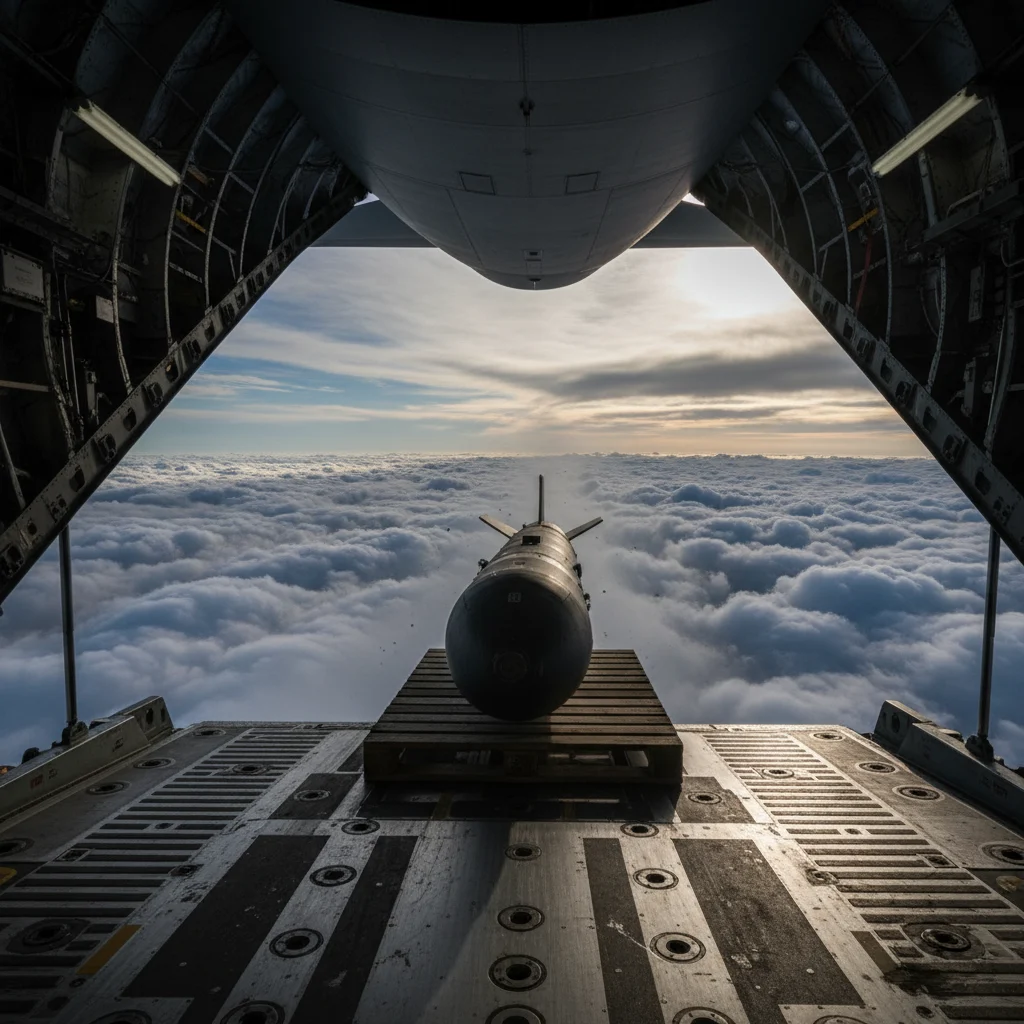
To understand why the MOAB’s future is in jeopardy, you have to look at how it is delivered. The weapon is too heavy for standard bombers. Instead, it must be pushed out the back of an MC-130 transport plane, suspended from a cradle that slides off the cargo ramp. The bomb then guides itself to the target using GPS, generating a blast equivalent to 11 tons of TNT.
This delivery method worked well enough in April 2017. That was the first and only time the U.S. military used the MOAB in combat, dropping it on an Islamic State cave complex in eastern Afghanistan. The mission was a tactical success, but it took place in an environment where the U.S. had total control of the skies.
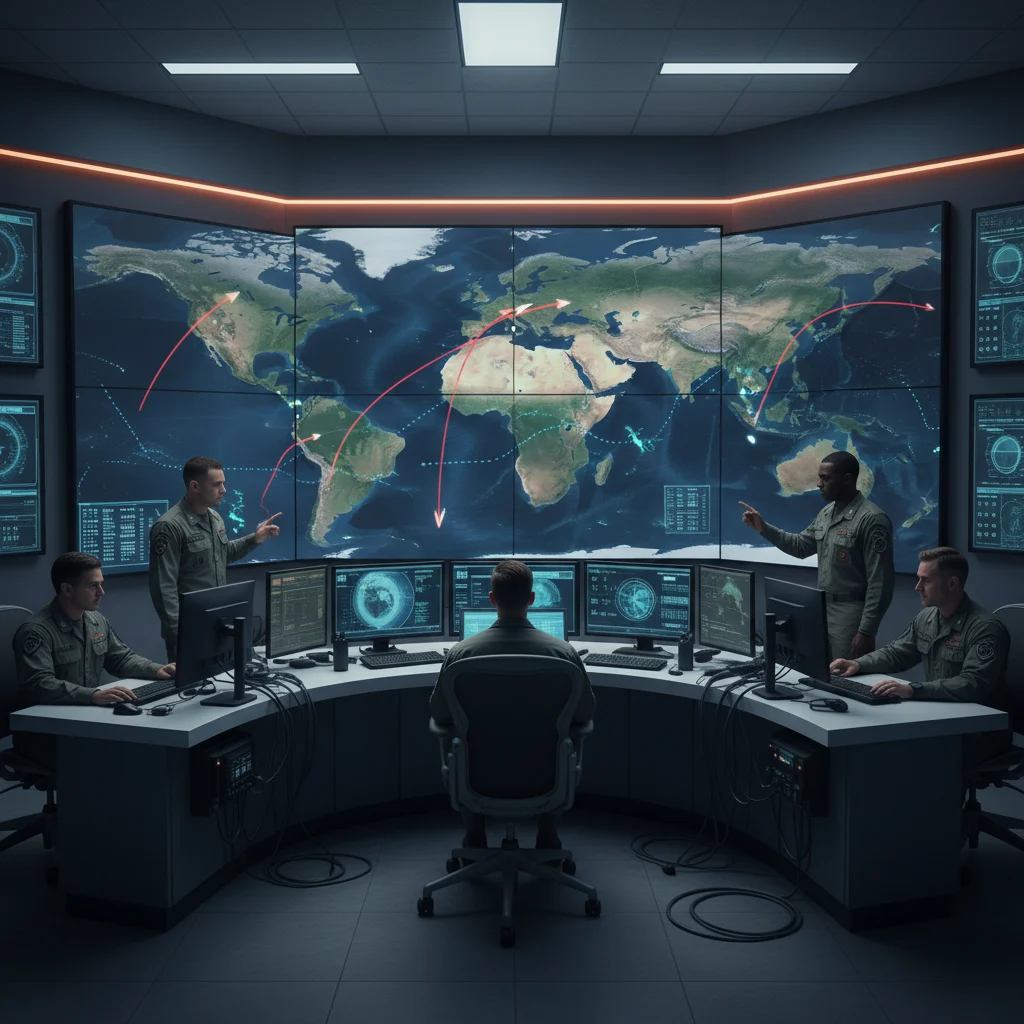
In a conflict with China or Russia, that luxury disappears. A lumbering, prop-driven transport plane trying to drop a bomb over a heavily defended island chain would be shot down long before it reached its release point. Advanced surface-to-air missile systems make gravity-dependent weapons virtually useless in the opening stages of a high-end fight.
The Strategic Pivot to Standoff and Speed
Military planners are focusing their attention and budgets elsewhere. The upcoming 2026 defense reviews are expected to prioritize hypersonic missiles and long-range standoff weapons. These systems allow aircraft to strike targets from hundreds of miles away, well outside the reach of enemy air defenses.
The Pentagon’s shopping list is changing fast. The Air Force is pouring resources into programs like the Joint Air-to-Surface Standoff Missile Extreme Range (JASSM-XR) and various hypersonic cruise missile prototypes. These weapons travel at several times the speed of sound and can maneuver mid-flight, making them incredibly difficult to intercept.
“We are moving away from the idea of flying directly over a target to drop a massive ordnance,” says a senior defense analyst familiar with the ongoing review. “If you cannot survive the flight to the target, the size of your bomb doesn’t matter. We need range, we need speed, and we need survivability.”
The High Cost of Maintaining Niche Stockpiles
The MOAB isn’t just tactically limiting; it is also a logistical burden. Maintaining a highly specialized, low-inventory weapon requires dedicated training, maintenance, and storage facilities. Since the weapon is rarely used, keeping those logistics chains alive is hard to justify when every dollar is being scrutinized for the looming Pacific transition.
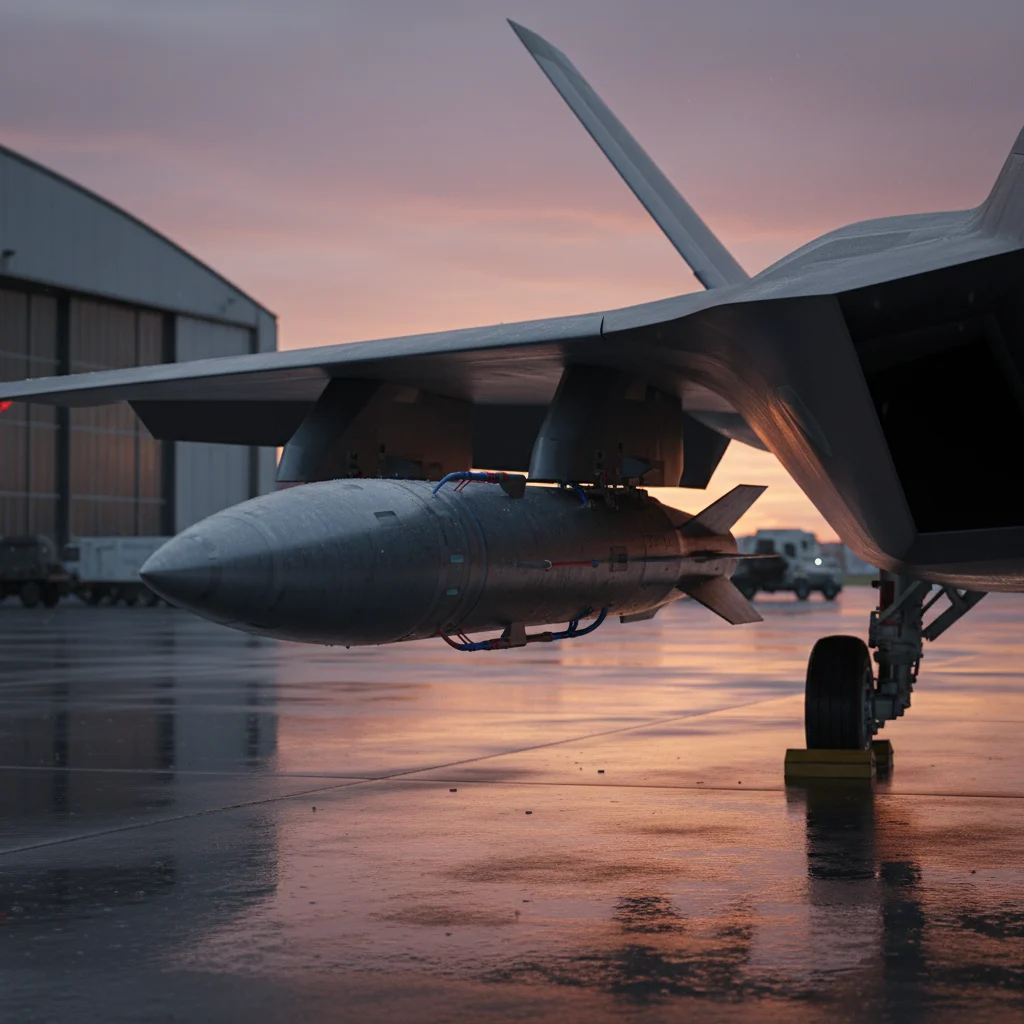
Some defense insiders argue that a small stockpile should be kept for highly specific scenarios, such as destroying deeply buried underground bunkers where enemy air defenses have already been dismantled. However, newer precision-guided bunker busters, like the GBU-57 Massive Ordnance Penetrator, are carried by stealth bombers like the B-2 and the upcoming B-21 Raider. These platforms stand a much better chance of surviving in contested areas than an MC-130 cargo plane.
What Comes Next?
The 2026 budget cycle will likely reveal the official fate of the MOAB inventory. While the Pentagon may not immediately scrap the existing bombs, further procurement is almost certainly off the table. The focus will instead shift to adapting current transport fleets for different roles.
Interestingly, the Air Force is already experimenting with “Rapid Dragon,” a system that allows cargo planes to drop pallets of long-range cruise missiles rather than single massive gravity bombs. This turning of transport planes into standoff missile launchers suggests the service is finding smarter ways to use its transport fleet without risking them in close-range bombing runs.
The debate over the MOAB also highlights a broader struggle inside the Pentagon over legacy systems. Congress has historically fought to preserve older platforms and weapons to protect local manufacturing jobs, but the pressure to counter rapid Chinese military modernization is forcing lawmakers to accept hard cuts. With the 2026 defense budget shaping up to be one of the most competitive in years, low-utility weapons are prime targets for elimination.
Ultimately, the military’s shift is about math and geography. The vast distances of the Pacific theater make short-range or gravity-dependent munitions impractical. The Pentagon’s current focus is clear: invest in weapons that can strike quickly, from afar, and without putting aircrews in extreme danger. In that new strategic reality, the “Mother of All Bombs” simply has no place left to fly.
