

A federal appeals court in Washington is tackling a thorny constitutional question that could reshape how modern administrations communicate. On Tuesday, a three-judge panel of the D.C. Circuit Court of Appeals heard oral arguments on whether executive privilege can shield a former administration’s encrypted text messages from a congressional ethics probe.
At the heart of the dispute are thousands of archived Signal and WhatsApp threads. A House committee wants them. A former top White House advisor wants them kept secret.
The legal clash represents a major battlefield over transparency in the digital age. It pits the legislature’s power of oversight against the executive branch’s desire for confidential counsel.
The Fight Over Secret Apps
The congressional inquiry began last year as an ethics investigation into a controversial federal contract awarded during the final months of the previous administration. Investigators suspect that key decisions were made not on official government email servers, but via encrypted apps on personal phones.

When the committee issued a subpoena for these archives, the former official balked. He asserted executive privilege, claiming the communications involved sensitive policy debates. A federal district judge previously ruled against the official, ordering the records turned over. That set up the high-stakes appeal.
During Tuesday’s hearing, the three-judge panel focused heavily on how the Presidential Records Act applies to modern communication. The judges asked tough questions of both sides.
“If an advisor intentionally uses a self-deleting messaging application to bypass public record laws, how can they subsequently claim those same records are protected by executive privilege?” asked one judge on the panel.
A Shield or a Loophole?
The defense argued that the medium does not dictate the message. They asserted that the privilege exists to protect the candor of presidential decision-making. According to their argument, that protection does not disappear simply because an advisor chose a secure, modern platform over a traditional paper memo.
But the committee’s lawyers painted a very different picture. They argued that using private, encrypted applications for official business is a clear violation of federal record-keeping laws. Shielding those conversations, they said, would create a dangerous precedent. It would allow future administrations to conduct the public’s business entirely in secret.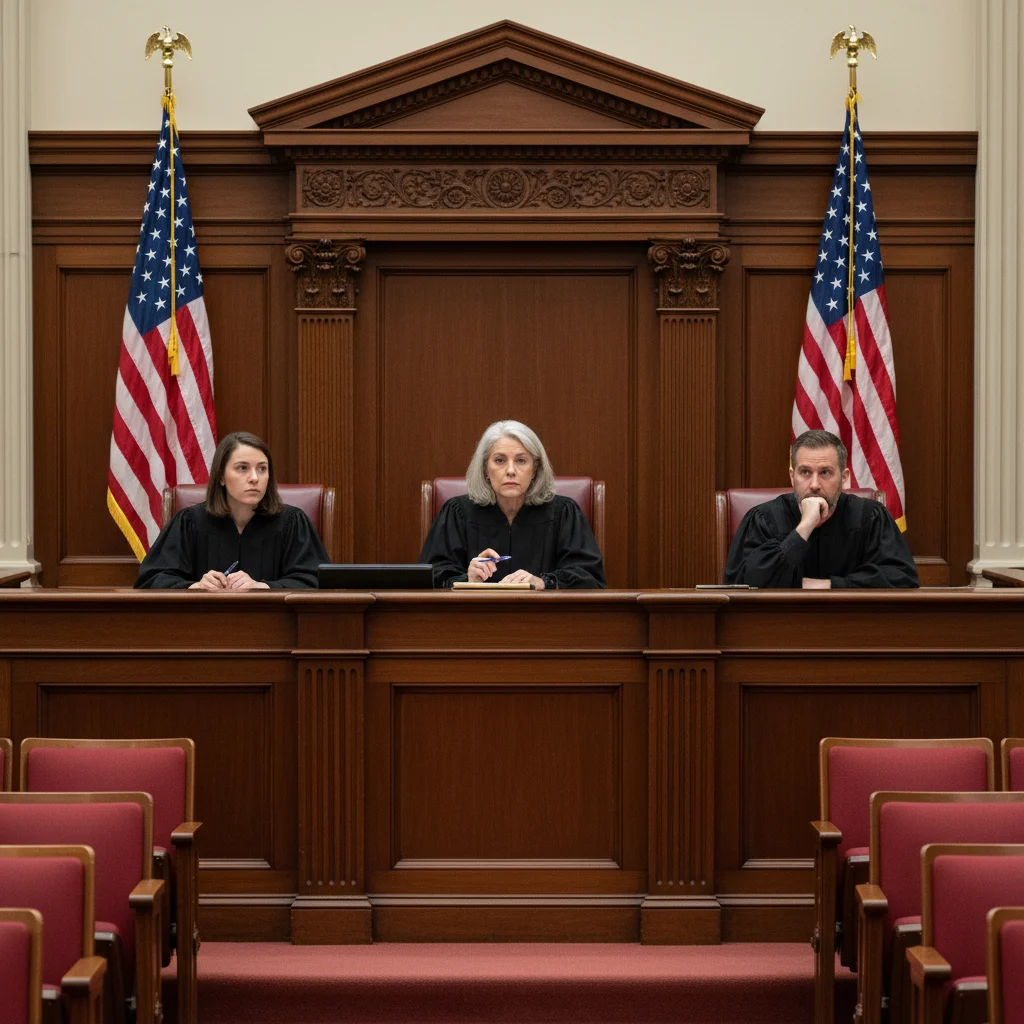
The committee’s lead counsel argued that the House has a legitimate, compelling legislative need to understand how these decisions were made. Executive privilege, the attorney argued, was never intended to be a blanket shroud to hide potential misconduct on private apps.
Where the Law Stands
Technology moves fast. The law moves slowly. The Presidential Records Act was written in 1978, long before the advent of smartphones, let alone end-to-end encryption. While Congress updated the law in 2014 to cover electronic communications, enforcement has remained difficult, particularly when officials use non-governmental platforms.
Legal experts say the court’s decision could have sweeping implications. If the court rules that these encrypted chats are entirely off-limits to Congress, it could provide a blueprint for future administrations to evade oversight. All they would have to do is move their conversations to encrypted platforms.
On the other hand, a ruling that completely strips privilege from encrypted communications could trigger concerns about executive branch independence. White House aides have long argued they need confidential spaces to debate policy options without fear of immediate public disclosure.
What Happens Next
The panel did not signal when it would rule, but legal observers expect a decision within the next few months. The debate raises several key issues that the court must resolve:
- Whether messages on personal devices constitute official presidential records.
- If the use of encrypted apps waives the right to executive privilege.
- How to balance congressional oversight with the executive’s need for confidential counsel.
Whichever way the D.C. Circuit rules, the case is widely expected to be appealed to the Supreme Court. The ultimate outcome will likely define the boundaries of executive secrecy and congressional oversight for the digital age.
CLICK HEARE TO GET FREE $100 IN AMAZON COMPANY
