
Time is running out for Alaska Governor Mike Dunleavy. With his final term in office set to wrap up in January, the Republican governor is launching a furious, last-minute push to save one of his most prized—and deeply controversial—infrastructure goals: the Ambler Mining District Access Road.
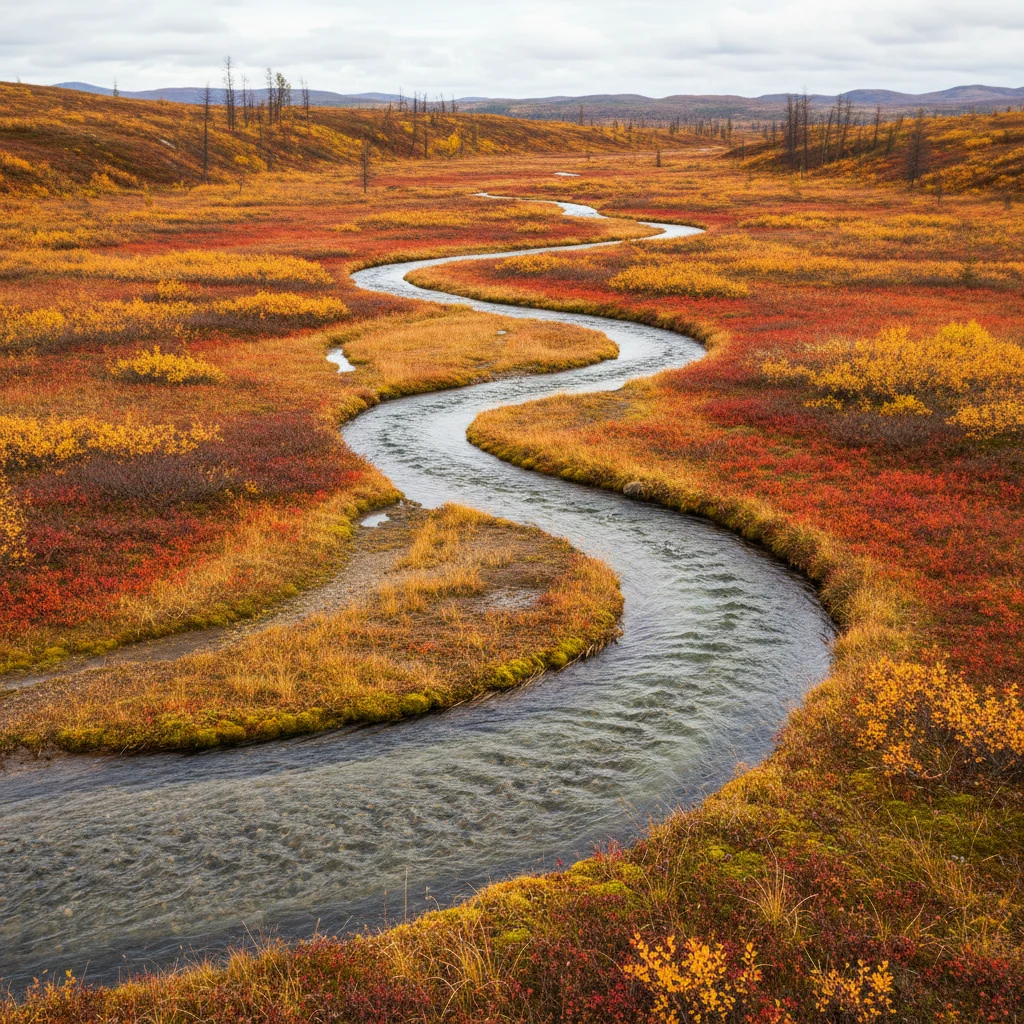
The proposed project is massive. It is a 211-mile industrial gravel road slicing through wild, roadless country in northern Alaska to reach rich deposits of copper, zinc, and cobalt. To supporters, it represents a golden ticket to high-paying jobs, new state revenues, and a secure domestic supply of critical minerals. To opponents, it is an ecological disaster that threatens caribou migrations and the subsistence hunting traditions of local Indigenous communities.
This is not just a local dispute. It has turned into a high-stakes chess match between Juneau and Washington, D.C.
Federal Roadblocks and State Workarounds
Earlier this year, the Biden administration dealt what seemed like a devastating blow to the project. In April, the federal Bureau of Land Management officially rejected a crucial right-of-way permit. That decision effectively blocked the road from crossing federal lands, including parts of the Gates of the Arctic National Park and Preserve.
Most politicians would see that as a dead end. Not Dunleavy. Instead of backing down, his administration has kicked state-level efforts into overdrive. The goal is simple: secure every possible state-level permit and approval before Dunleavy leaves office in January. By cementing these approvals now, the administration hopes to build a legal and bureaucratic fortress that the next governor—or a future federal administration—cannot easily dismantle.
At the heart of this push is the Alaska Industrial Development and Export Authority, known as AIDEA. The state-owned economic development agency has already poured more than $30 million of public money into the project. Even with federal permits in limbo, AIDEA has continued spending money on summer field programs, archaeological surveys, and engineering studies.
“We aren’t stopping,” Dunleavy told reporters recently, emphasizing that the state will fight the federal rejection in court. But court battles take years. State permits, on the other hand, can be signed right now.
A Race Against the Clock
Over the last few weeks, state departments have been moving at breakneck speed. The Alaska Department of Natural Resources and the Department of Environmental Conservation are working to finalize crucial water rights, material sale authorizations, and air quality certifications.
To critics, this feels like an attempt to bypass public oversight. Tribal leaders and environmental advocates say the state is rushing the process to beat the clock, completely ignoring deep-seated concerns about environmental damage.
The road would cross more than 3,000 streams and rivers. It would cut directly through the migratory path of the Western Arctic Caribou Herd, which has already seen its population crash in recent years. For the Athabaskan and Inupiat villages along the route, the caribou are not just animals. They are a primary food source and a way of life.
“They are trying to force this road through no matter what the people who live here say,” said Chief Brian Ridley of the Tanana Chiefs Conference, a consortium of 42 Athabaskan tribes in the interior. “Rushing these permits in the final months of an administration is a disservice to Alaskans.”
The Economic Argument
Proponents of the road argue the state cannot afford to let this opportunity slip away. The Ambler mining district is home to some of the richest undeveloped mineral deposits in the world. Mining companies like Ambler Metals—a joint venture between Trilogy Metals and South32—have spent years exploring the area, waiting for a way to get their ore to market.
Dunleavy’s supporters argue that the road is a constitutional obligation. The Alaska State Constitution mandates that the state develop its natural resources for the maximum benefit of its people. From their perspective, blocking the road is a violation of that mandate.
But the financial risks are mounting. Building the road could cost upwards of $1 billion. AIDEA plans to pay for it by issuing bonds and recouping the costs through tolls charged to mining companies. Critics call this a high-stakes gamble with taxpayer money. If the mines are never built, or if copper prices plummet, Alaskans could be left holding the bill for an expensive road to nowhere.
As January approaches, the political tension in Juneau is palpable. Dunleavy’s legacy is tied to this road. Whether he can push these final state approvals across the finish line—and whether they will hold up under the inevitable wave of lawsuits—remains to be seen. But one thing is clear: the fight for the Brooks Range is far from over.
