
It started as an internet meme. For years, social media users have tracked Barack Obama’s fondness for The Cheesecake Factory. From secret service pickups to family dinners, the former president’s love for the chain’s massive menu is well-documented.
Now, that casual dining affinity has evolved into a serious career pipeline.
The Obama Foundation has partnered with the restaurant giant to launch a new culinary scholarship program in Chicago. Designed to support aspiring chefs from underrepresented communities, the initiative aims to remove financial barriers for students seeking professional culinary training. It is a localized push with deep roots in Chicago’s South Side, where the Obama Presidential Center is currently under construction.
A Full-Service Educational Pathway
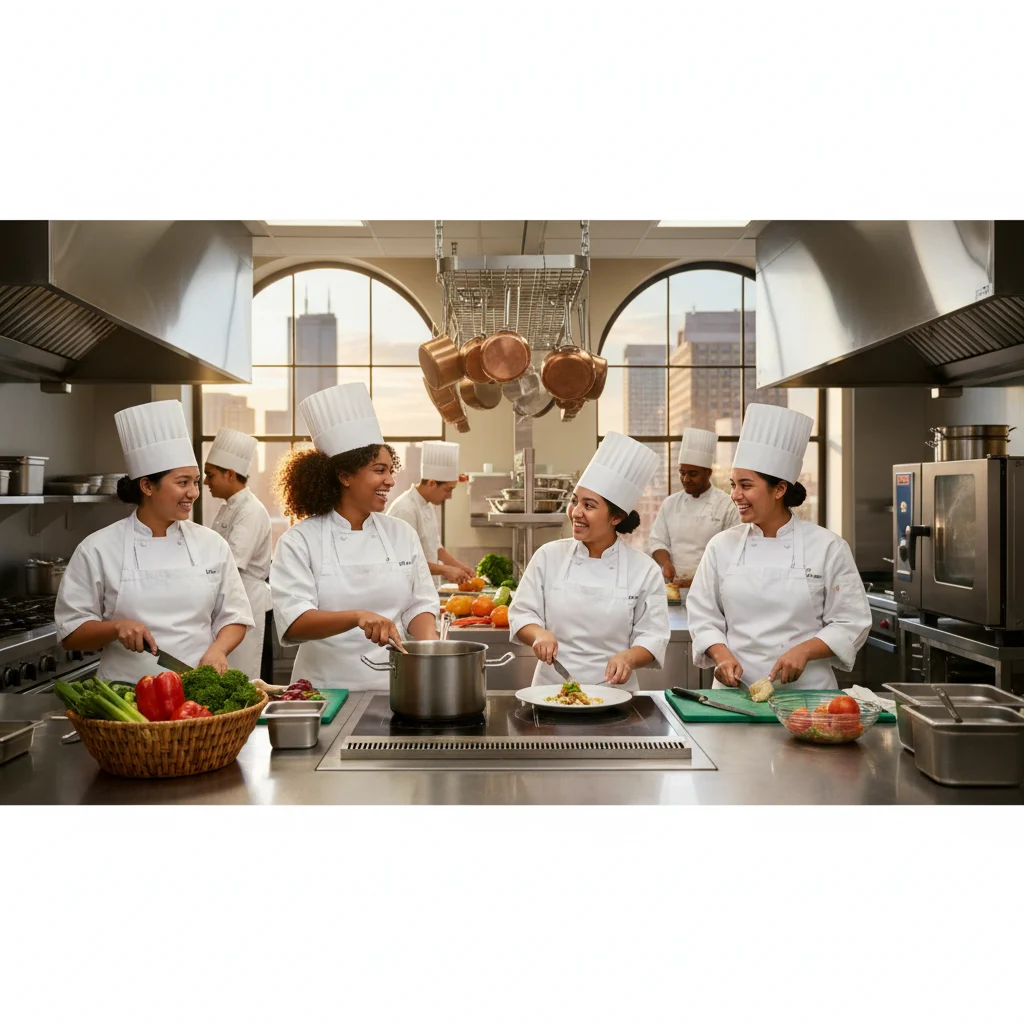
The program will focus heavily on practical experience. Selected students will receive full-tuition scholarships to attend local culinary institutions, including the Washburne Culinary & Hospitality Center at Kennedy-King College. But the support does not stop at tuition.

The scholarship covers essential gear like professional knife sets, uniforms, and textbooks. These are hidden expenses that often force low-income students to drop out before they even finish their first semester. The goal is to eliminate those friction points entirely.
“We want to make sure these students have everything they need to succeed from day one,” says Valerie Jarrett, Chief Executive Officer of the Obama Foundation. Jarrett noted that the culinary arts offer a viable path to entrepreneurship and economic stability. By partnering with a major national brand, the foundation hopes to bridge the gap between classroom learning and industry employment.
Hands-On Training and Career Placement
In addition to academic funding, scholars will secure guaranteed, paid apprenticeships at Chicago-area Cheesecake Factory locations. This hands-on training is a core component of the program. Students will work alongside experienced kitchen managers, learning the high-volume operational skills required to run a modern commercial kitchen.
The Cheesecake Factory, known for its sprawling 250-item menu, operates several high-traffic restaurants in the Chicago area, including its landmark location at the John Hancock Center on Michigan Avenue. Managing a kitchen of that scale requires intense coordination. Company representatives believe this environment is the ultimate training ground for young cooks.

“Our kitchens are incredibly complex operations,” said David Overton, Founder and Chief Executive Officer of The Cheesecake Factory. “We are excited to open our doors to these talented students, teach them our systems, and hopefully welcome many of them into our permanent culinary leadership team down the road.”
From Viral Meme to Community Investment
The partnership honors a long-standing personal connection. Obama’s relationship with the restaurant goes back years. During his presidency and post-presidency, reports frequently surfaced of the Obama family ordering takeout from the chain. In 2018, photos of Obama dining at a location went viral, cementing the connection in pop culture. What began as a quirky piece of trivia has now become a vehicle for local investment.
For Chicago’s South and West Sides, the program represents a crucial investment in young people. The culinary industry is a major economic driver in the city, but high tuition costs at traditional culinary schools can make professional training inaccessible to many residents.
How to Apply
To qualify, applicants must reside in Chicago, demonstrate financial need, and show a genuine passion for the culinary arts. The first cohort of scholars will begin their studies in the upcoming fall semester. Applications are expected to open next month through the Obama Foundation’s official website.
Ultimately, organizers hope the program does more than just train cooks. They want to cultivate the next generation of Chicago restaurateurs. With the Obama Presidential Center set to bring increased tourism to the South Side, local leaders are eager to build a robust network of neighborhood-owned food businesses.
“This is about community wealth building,” Jarrett said. “We are not just training people to work in kitchens. We are training them to eventually own them.”
