

Alaska Governor Mike Dunleavy has a deadline, and it is approaching fast. With his final term set to end in December 2026, the Republican governor is spending his remaining months in office trying to do what his predecessors could not: lock in the federal commitments needed to build the massive, long-delayed Alaska LNG project.
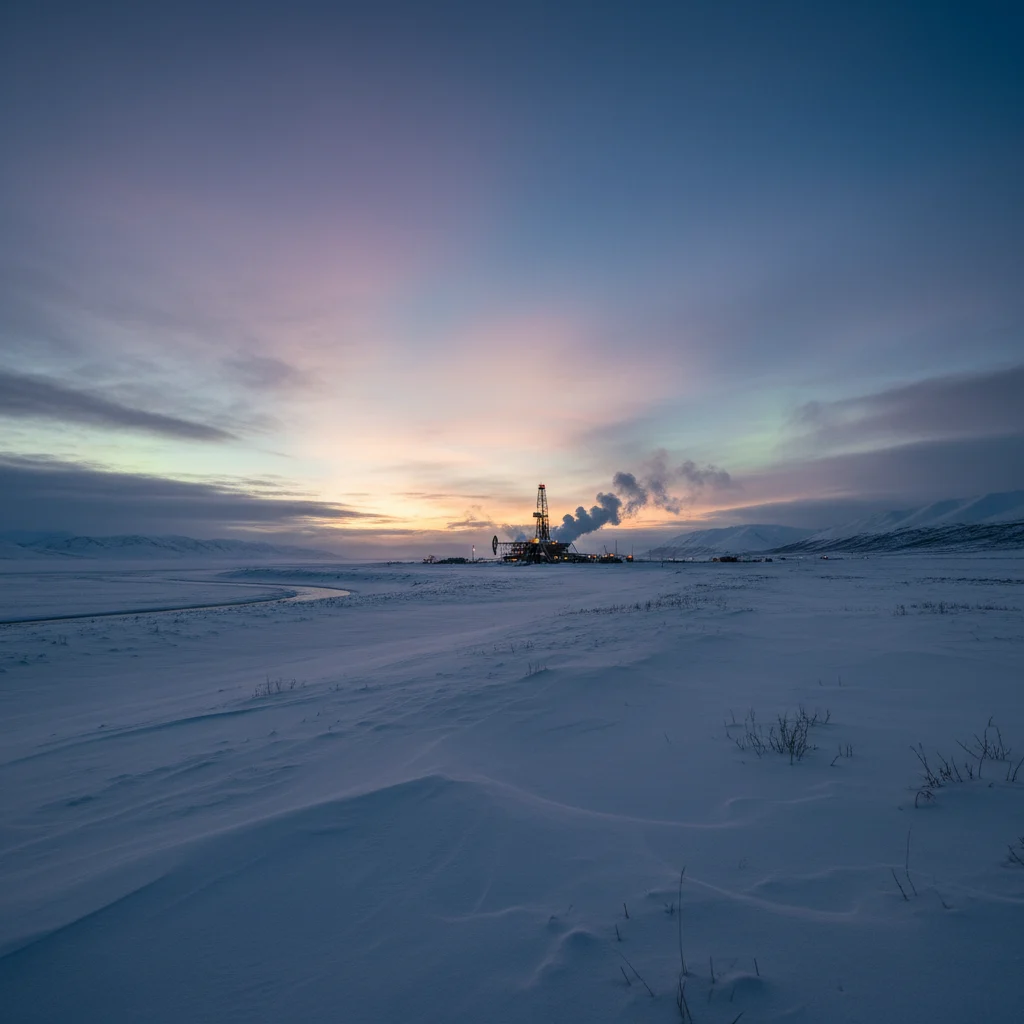
It is a high-stakes race against the calendar. The proposed $44 billion project aims to transport natural gas from the frozen North Slope down to the Kenai Peninsula, where it would be liquefied and shipped to Asian markets. It is one of the largest energy infrastructure projects ever attempted in North America. But without firm federal backing and commercial partners, it risks remaining on the drawing board.
The Legacy Project
Dunleavy has long viewed the project as a cornerstone of Alaska’s economic future. State officials argue the 807-mile pipeline would not only bring in billions in export revenue but also solve the looming energy crisis in Cook Inlet, which provides electricity and heat to most of the state’s population.
But the window for Dunleavy to personally guide this effort is closing. Alaska governors are limited to two consecutive terms. This means a new administration will take over after the November 2026 election. Dunleavy wants the project to reach a point of no return before he hands over the keys to the governor's mansion. He wants to secure binding federal loan guarantees and key regulatory approvals so the next administration cannot easily shelf the plan.
The Federal Funding Hunt
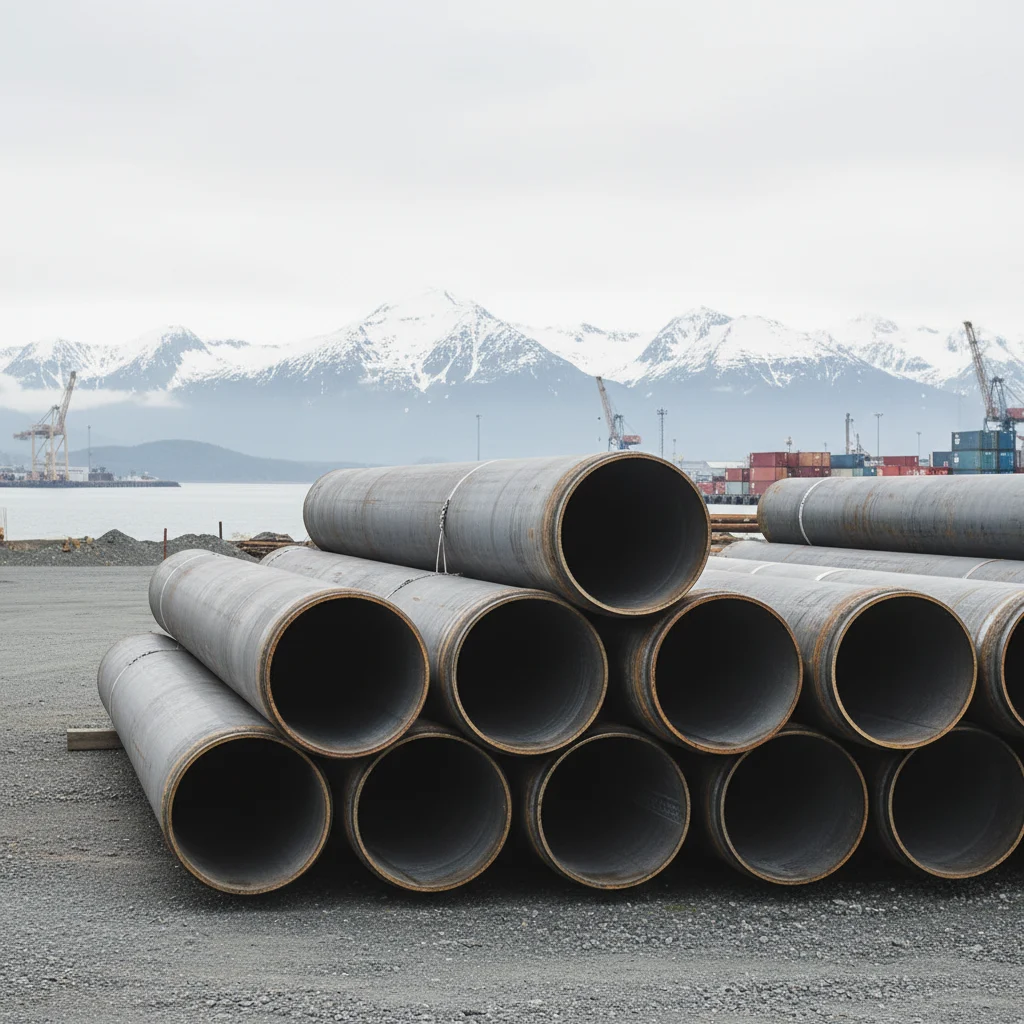
To make the project viable, the state-owned Alaska Gasline Development Corporation (AGDC) is leaning heavily on federal incentives. Congress previously authorized up to $30 billion in federal loan guarantees for an Alaskan gas pipeline. However, unlocking those funds requires navigating a maze of federal bureaucracy and proving the project is commercially viable.
Frank Richards, the president of AGDC, has been working alongside the Dunleavy administration to pitch the project to federal officials in Washington. They are trying to position Alaska LNG not just as a fossil fuel project, but as a bridge to a cleaner energy future. State officials argue that exporting natural gas to Asia will help countries like Japan and South Korea transition away from coal, which is far more carbon-intensive.
Supporters also hope to leverage clean energy tax credits under federal laws like the Inflation Reduction Act. They want to integrate carbon capture technology into the project, storing carbon dioxide underground on the North Slope. This, they argue, would make the gas some of the cleanest in the world.
High Costs and Rising Skepticism
Despite the optimistic push, skeptics say the project is a financial pipe dream. The estimated price tag has hovered around $44 billion for years. Finding private investors willing to fund such a massive undertaking in an era of fluctuating energy markets has proven incredibly difficult.
Environmental groups also remain staunchly opposed. They argue that building a massive new fossil fuel pipeline is incompatible with global climate goals. They want the state to focus on renewable energy projects instead of doubling down on oil and gas extraction.
There is also the question of competition. The U.S. Gulf Coast has seen a boom in LNG export terminals, which are closer to European markets and already operational. Alaska LNG faces a steep climb to prove it can compete on price with these established facilities, even with the geographical advantage of being closer to Asia.
What Happens Next?
The next eighteen months will be critical for Dunleavy's signature energy ambition. The governor's team is expected to keep lobbying the Department of Energy and potential international buyers in Japan and South Korea.
If Dunleavy can secure a major federal commitment or a binding agreement with a global energy giant before late 2026, he will have cemented his legacy as the governor who finally got the pipeline moving. If not, the project will once again be left in limbo, waiting to see if the next governor has the political will to keep keeping the dream alive.
