
The Race Against the 2026 Clock
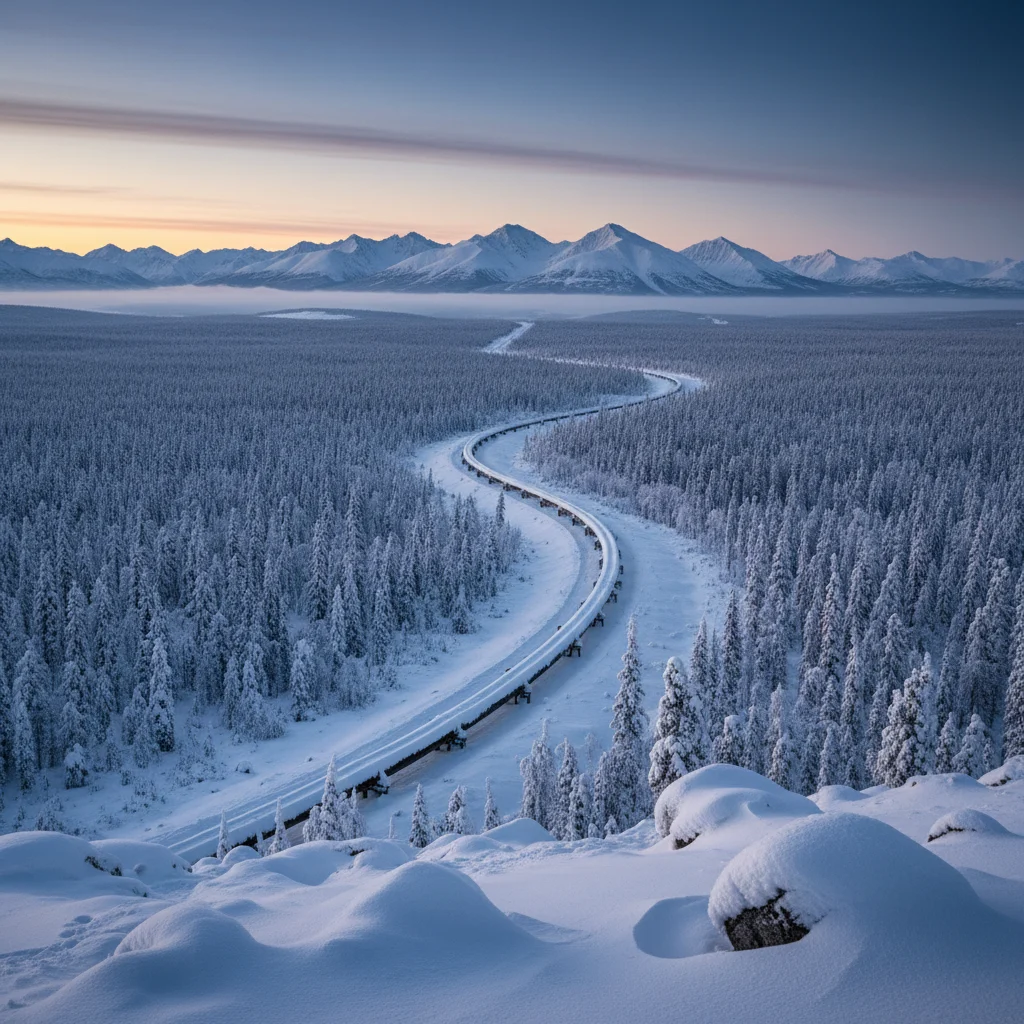
Mike Dunleavy has roughly two years left in the governor’s mansion, and he is running out of time. For Alaska’s Republican leader, the countdown isn’t just a political formality. It is a deadline for his legacy. At the heart of his final-term agenda is a gargantuan, $44.2 billion energy project that has teased Alaskans for decades: the Alaska LNG pipeline. If built, it would transport natural gas across 807 miles of frozen tundra and rugged mountains, from the North Slope down to the Kenai Peninsula. But right now, it exists mostly on paper.
With his term set to expire in December 2026, Dunleavy is orchestrating an aggressive, eleventh-hour push. He wants to lock in federal permits, line up deep-pocketed international buyers, and secure a lead developer before he hands over the keys to the state. It is a high-stakes gamble. If he succeeds, Alaska secures its economic future for half a century. If he fails, the project risks joining a long list of abandoned megaprojects in the frozen North.
A Massive Pipeline Looking for Millions in Commitments
The scale of the project is hard to overstate. Managed by the state-owned Alaska Gasline Development Corporation (AGDC), the pipeline would carry up to 3.5 billion cubic feet of natural gas per day. Most of this gas would be liquefied at a massive terminal in Nikiski and shipped to power-hungry markets in Asia, particularly Japan and South Korea. Some of it would be tapped along the route to heat homes in Fairbanks and Anchorage, where local utilities face a looming gas shortage from Cook Inlet.

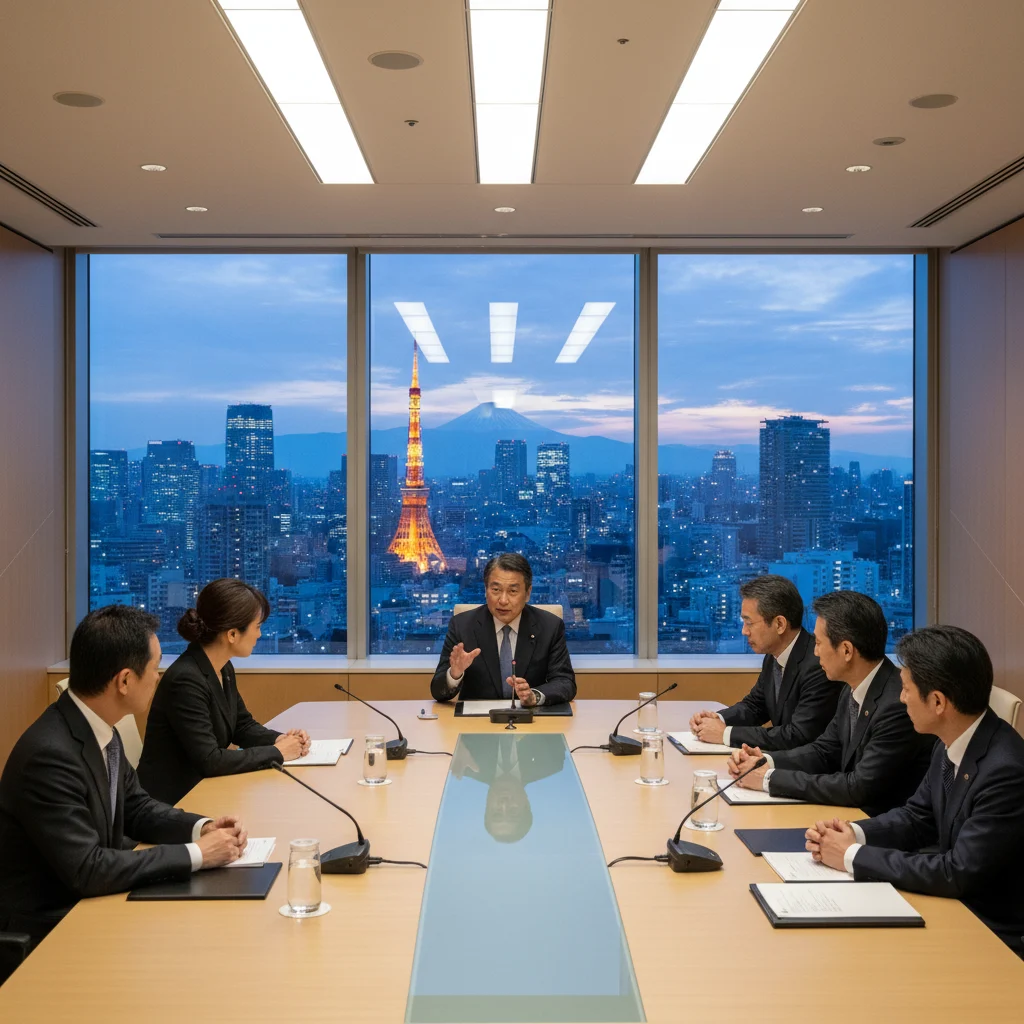
Yet, the state cannot build this alone. Alaska needs private investors to foot the bill. AGDC’s president, Frank Richards, has spent years pitching the project to global energy giants. The state’s strategy relies on getting customers to sign long-term purchase agreements. Without those signatures, Wall Street won’t touch the project. Dunleavy has personally traveled to Tokyo and Seoul to pitch the pipeline as a stable, geopolitically secure alternative to Russian gas. The clock is ticking on those talks. Asian buyers are cautious, wary of the project’s massive upfront cost and the shifting global energy market.
Federal Hurdles and the Environmental Battlefield
Even if Dunleavy finds the money, he still has to clear a minefield of federal regulations. The project already holds key authorizations from the Federal Energy Regulatory Commission (FERC). However, these permits are under constant fire. Environmental groups, including the Sierra Club and the Center for Biological Diversity, have waged a relentless legal campaign to block the pipeline. They argue that dumping billions of tons of greenhouse gases into the atmosphere during a climate crisis is a disaster.
Then there is the Biden administration. While federal officials have kept Alaska LNG alive, the White House’s broader pause on new liquefied natural gas exports has cast a long shadow over the industry. Alaska’s project is technically exempt from the blanket pause because it already has its export licenses, but the shifting political winds in Washington make investors nervous. Dunleavy’s team is working overtime to convince the Department of Energy that Alaska’s gas is cleaner than coal and essential for national security. They are also trying to qualify for federal loan guarantees, which could cover up to $30 billion of the project’s debt. That federal backing is the golden ticket, but getting it requires navigating a labyrinth of federal bureaucracy.
A Hydrogen Pivot to Keep the Dream Alive
To make the project more palatable to both the Biden administration and climate-conscious Asian buyers, Dunleavy’s administration is trying a new angle: hydrogen. The AGDC is exploring ways to convert some of the North Slope gas into clean hydrogen and ammonia. Under this plan, the carbon dioxide generated during the process would be captured and pumped back underground on the North Slope.
It is a clever pivot. It aligns with global decarbonization goals and could unlock billions in federal clean-energy tax credits. But critics say it is a distraction from the main challenge. Building a brand-new hydrogen economy on top of an unbuilt $44 billion gas pipeline is a staggering technical and financial hurdle. For now, the focus remains on finding that elusive anchor tenant—a major energy company willing to take the lead.
What Happens If the Clock Runs Out?
What happens if Dunleavy’s term ends with no steel in the ground? For Alaskans, the stakes are deeply personal. The state’s economy has long been a rollercoaster tied to the price of oil. As North Slope oil production slowly declines, a gas pipeline has always been seen as the ultimate life raft. On top of that, Southcentral Alaska is facing an energy crisis. Without a new source of gas, Cook Inlet utilities may have to start importing expensive LNG from abroad as early as 2028. It is a bitter irony for a state sitting on one of the largest gas reserves on earth.
Dunleavy’s supporters believe his relentless lobbying will finally push the project over the finish line. His opponents view it as a costly obsession that has sucked up millions of state dollars with little to show for it. One thing is certain: the next two years will decide the fate of the Alaska LNG project. Dunleavy is determined to leave office with the pipeline’s future set in stone. Whether he can pull off this last-minute victory remains to be seen, but he is running out of time to make his mark.
