

The snow is already dusting the Chugach Mountains, but Alaska’s political scene is white-hot. With just days left before the November 2026 election, the race to replace term-limited Governor Mike Dunleavy has entered its final, frantic stretch. This is the first time Alaskans are choosing a new governor under the state’s ranked-choice voting system, and the strategy is wildly different from anything seen in the past.
Four candidates are left on the ballot after surviving the nonpartisan August primary. On the right, Republican Nick Begich and current Lieutenant Governor Nancy Dahlstrom are fighting for conservative dominance. In the center-left lane, former Democratic state representative Les Gara is hoping to mobilize progressives and moderate independents. Meanwhile, former Independent Governor Bill Walker is running a centrist campaign, pitching himself as the ultimate consensus candidate. It is a crowded field, and nobody expects a clear winner on election night.
The Math of the Second-Choice Vote
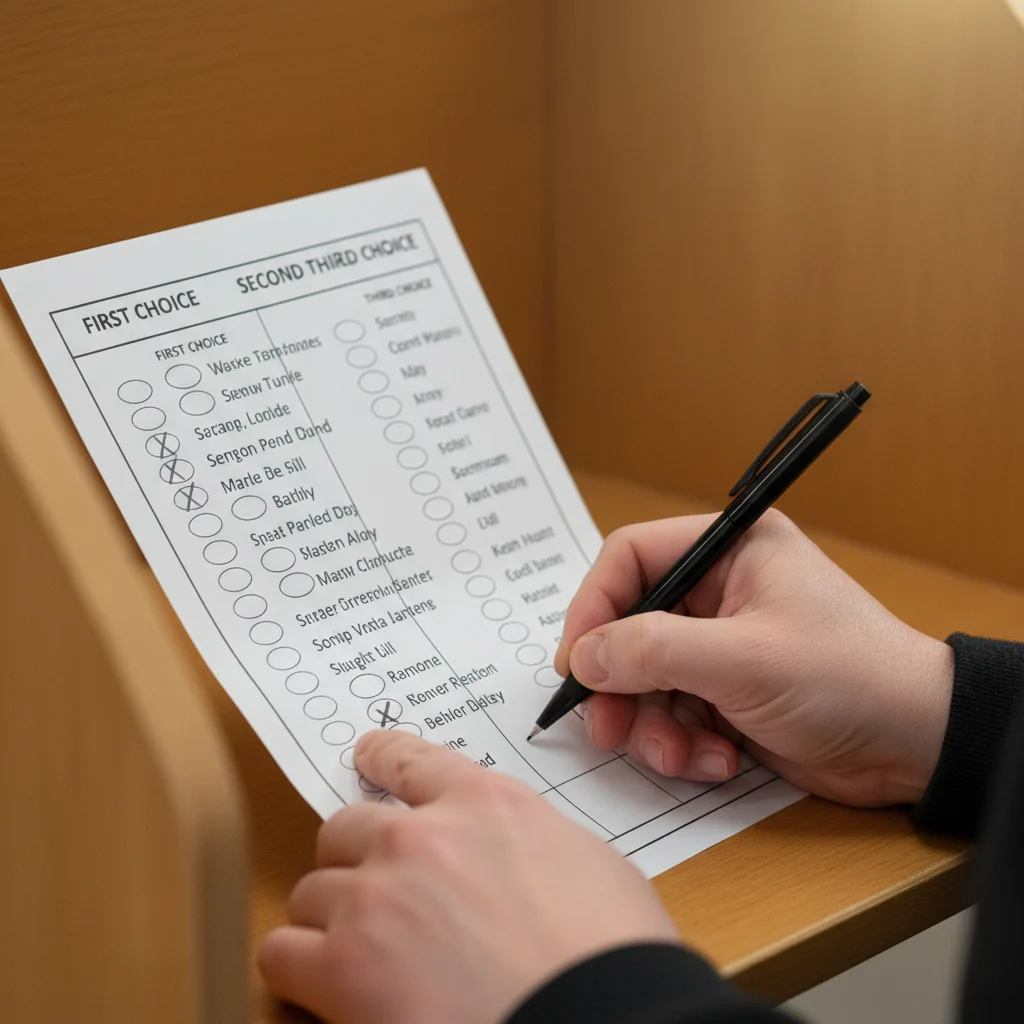
In a traditional election, candidates try to destroy their opponents. Under Alaska’s system, that approach can be political suicide. If no candidate wins more than 50% of first-preference votes, the lowest-ranking candidate is eliminated, and their supporters’ second-choice votes are redistributed. This process repeats until someone crosses the finish line.
Because of this, the campaign trail has seen some unusual alliances. Instead of trading blows, some candidates are quietly asking for second-place rankings. “Don’t just vote for your favorite,” has become a common refrain at town halls from Ketchikan to Nome. Voters are being told to think strategically.
The two main Republicans on the ballot, Begich and Dahlstrom, have a complicated relationship. While both want to keep the governor’s mansion in Republican hands, they represent different factions of the party. Dahlstrom has the backing of much of the party establishment, pointing to her experience alongside Dunleavy. Begich, however, has run a highly disciplined campaign focused on economic reform, pulling support from both hardline conservatives and business-minded moderates. How their supporters rank each other will likely decide the entire election.
The Issues Driving the Vote
Beyond the mechanics of voting, the candidates are wrestling with familiar Alaskan anxieties. The state’s economy is a major talking point. Resource development, particularly the future of North Slope oil projects and mining initiatives, remains a central debate. Gara has argued for more environmental oversight and a transition toward renewable energy, while Begich and Dahlstrom have pushed for aggressive resource extraction to boost state revenue.
Then there is the Permanent Fund Dividend (PFD). The annual payout to Alaskans from the state’s oil wealth is always the most volatile issue in state politics. Candidates are split on how to fund it. Dahlstrom supports protecting the dividend at all costs, while Walker has advocated for a more balanced fiscal plan that protects public services like education and ferry transport in coastal communities.
Public education is also taking center stage. Following years of flat funding and school closures in rural districts, teachers’ unions and parent advocacy groups have become highly active. Gara has made increased public school funding a cornerstone of his platform, hoping to capture the suburban vote in Anchorage and Juneau.
A Logistical Nightmare and a Final Sprint
Campaigning in Alaska is unlike anywhere else in America. Candidates cannot just hop on a bus and tour the state. Many communities are off the road system, accessible only by small bush planes or boats. In these final days, candidates are racking up thousands of air miles, flying into remote hubs like Bethel, Kotzebue, and Barrow to meet with Alaska Native leaders and local voters.
Turnout in these rural areas is often the wild card. Historically, native corporations and rural voters have leaned toward moderate or independent candidates who promise to protect local interests and subsistence rights. Walker and Gara have spent significant resources in the Bush, hoping to secure strong first- and second-choice support there to offset the conservative margins in the Matanuska-Susitna Valley.
The results will not be known immediately. Due to the state’s vast geography and the time needed to mail in ballots from remote villages, the official tabulation for ranked-choice voting will take weeks. Alaskans are buckled in for a long wait. One thing is certain: the winner will need to have built a broad coalition to survive the final count.
