
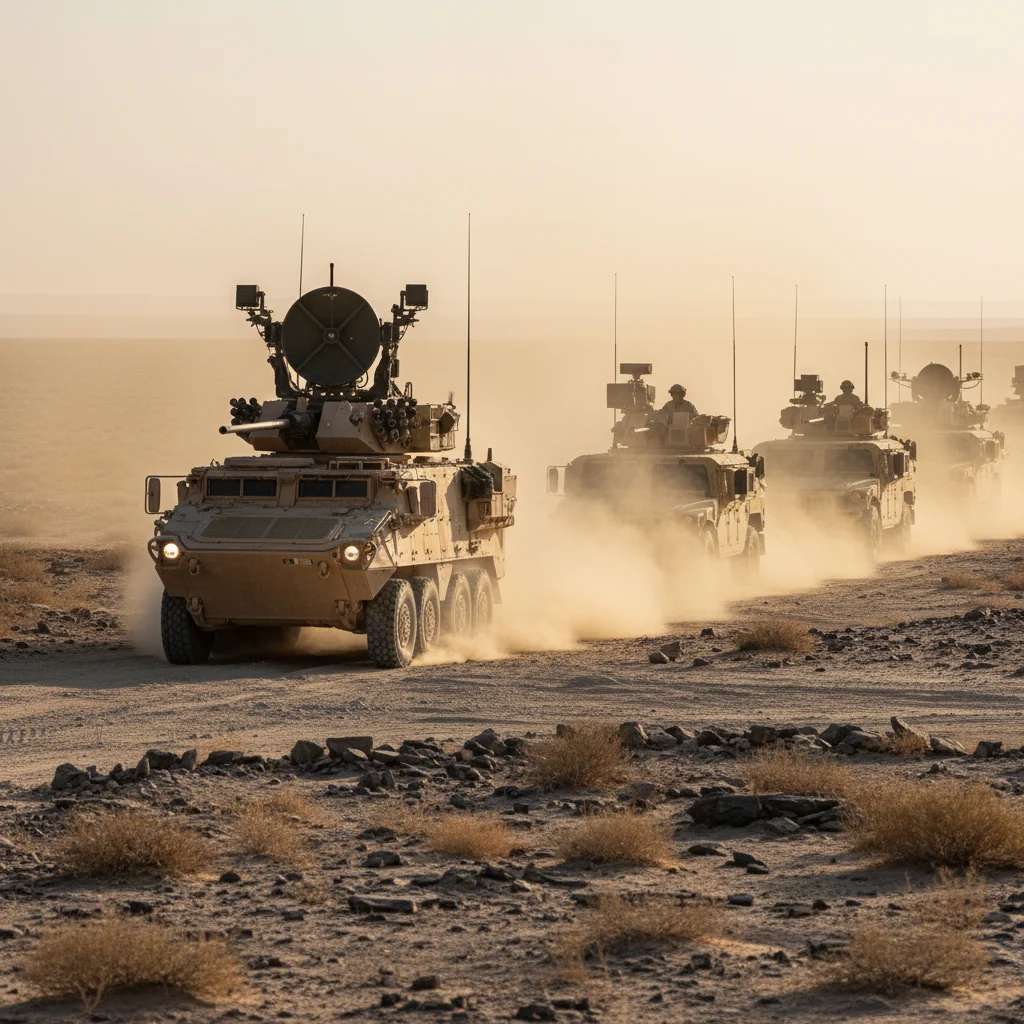
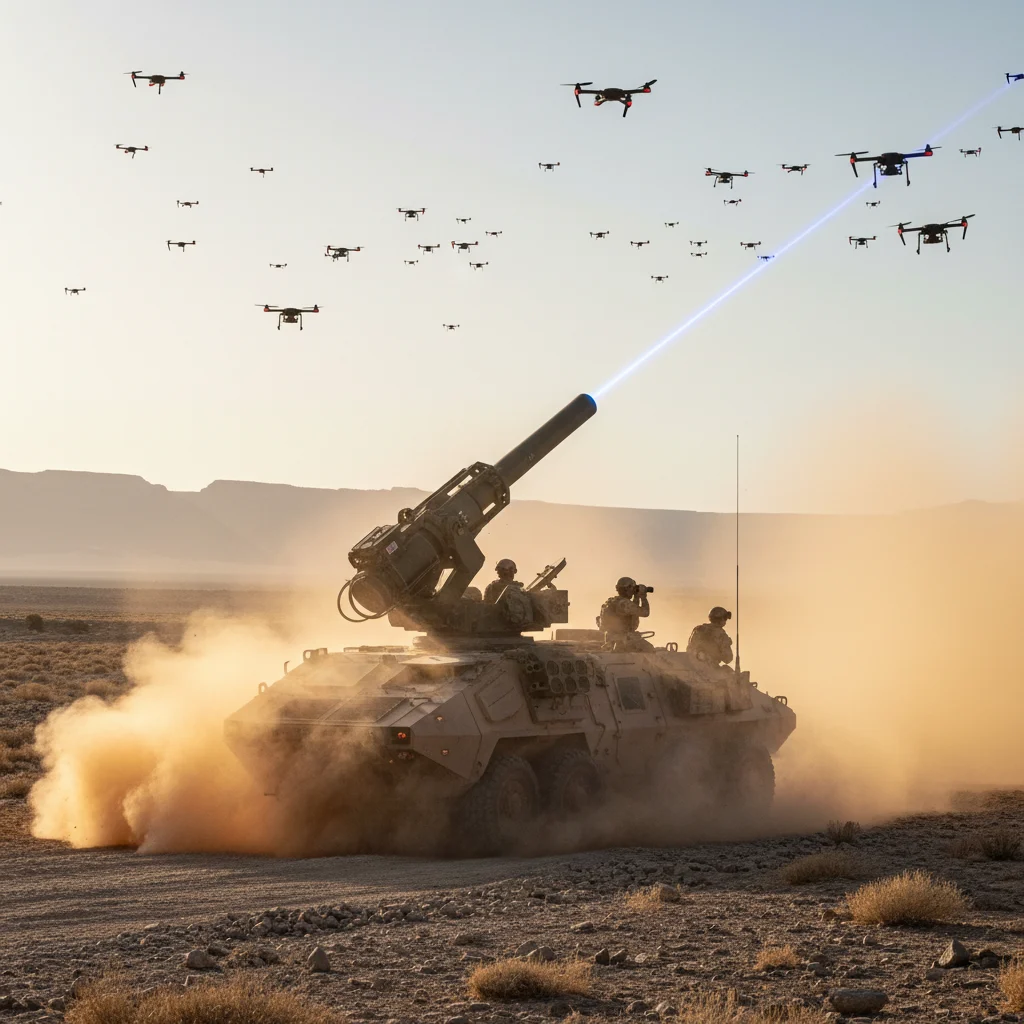
The sky above the desert was quiet, until it was not. Within seconds, a swarm of simulated enemy drones registered on the radar screens of the III Armored Corps command post. In previous years, this kind of sudden, low-altitude saturation attack would have spelled disaster for a heavy armored column. But during this fall’s massive multi-domain exercises, Lt. Gen. Brett Sylvia showed off a different way to fight. His forces did not just survive the aerial onslaught. They neutralized it in minutes.
The Drone Threat Moves Front and Center
The threat is no longer a distant worry. Recent conflicts in Europe and the Middle East have proven that cheap, commercial-off-the-shelf drones can cripple multi-million-dollar armored units. Recognizing this vulnerability, Sylvia has spent the last year pushing his command to integrate next-generation counter-Unmanned Aerial Systems (C-UAS) directly into frontline units. The goal is simple. Create a mobile, overlapping shield that moves as fast as the tanks do.
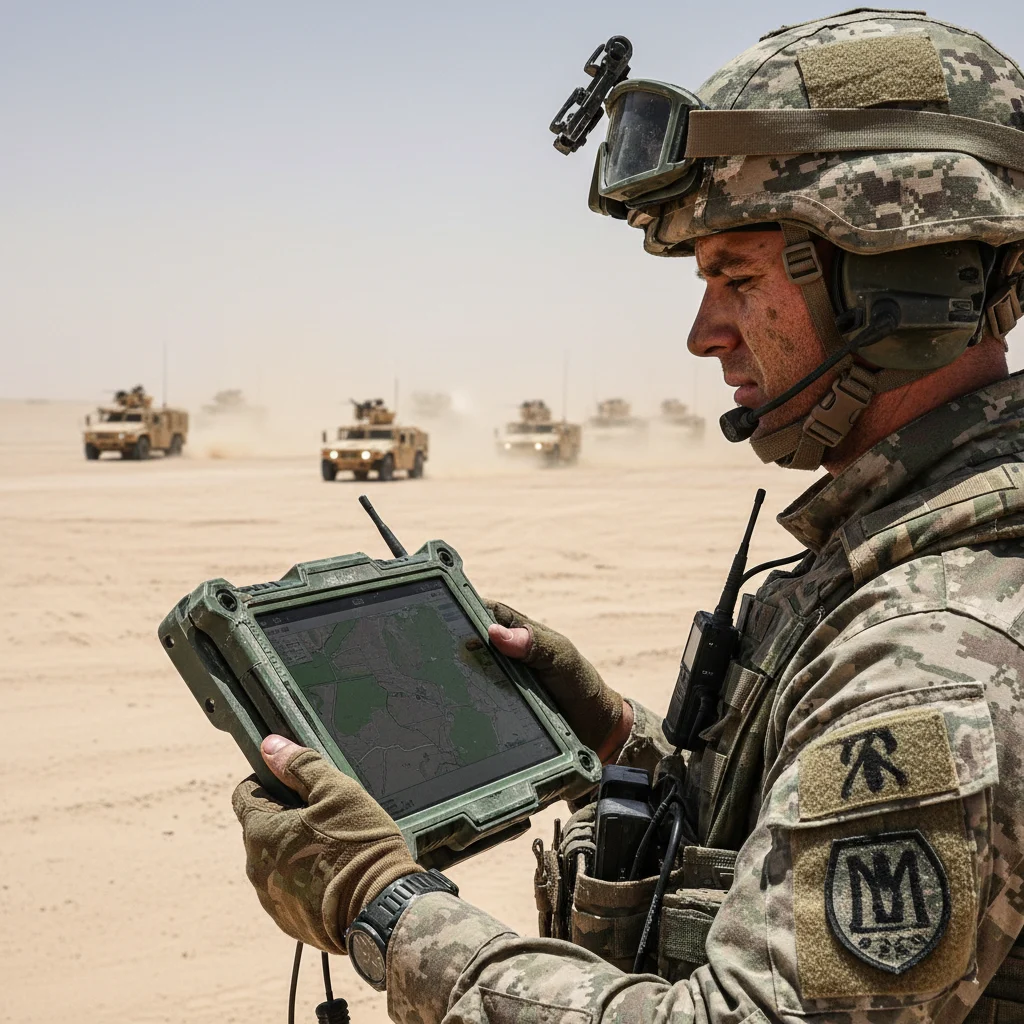
During the Fall 2026 maneuvers, which stretched across thousands of acres of rugged terrain, the corps put several new defensive systems to the test. Among them were vehicle-mounted high-power microwave systems and compact, automated radar units capable of tracking dozens of tiny targets simultaneously. Instead of relying on a centralized command to authorize a response, individual platoon leaders used hand-held tablets to jam enemy frequencies or launch low-cost kinetic interceptor drones.
A Tactical Shift to Decentralized Defense
This marks a massive shift in military doctrine. Traditionally, air defense was the job of specialized, high-altitude missile units far behind the front lines. Sylvia’s approach changes that. He wants every soldier to think of C-UAS as a basic survival skill, much like digging a trench or using camouflage.
“We cannot afford to wait for permission from headquarters when a kamikaze drone is five seconds away,” Sylvia remarked during a media briefing at the command outpost. “Decentralization is our only real defense. We have to push the trigger finger down to the absolute edge of the formation.”
Creating the Mobile Protection Bubble
The real challenge was keeping these defensive systems active while the corps was on the move. Heavy armored divisions are notoriously difficult to protect when they are shifting positions. During a 72-hour simulated offensive, the III Armored Corps successfully maintained what officers called a “mobile bubble” of electronic protection. Mobile jamming rigs and laser-armed Stryker vehicles escorted convoy trucks through simulated choke points, knocking down waves of quadcopters without stopping the advance.
Another pillar of the exercise was testing rapid-deployment doctrine. In a crisis, there is no time to slowly build up defense networks. Troops practiced landing at austere airstrips and deploying pre-configured C-UAS kits that became fully operational within 15 minutes of wheels-down. This speed is crucial for establishing immediate airspace control before heavier reinforcements arrive.
Friction, Real-World Lessons, and the Future of Supply Lines
It was not all smooth sailing. Early in the exercise, communication lags between different branch networks threatened to leave a gap in the radar coverage. Engineers had to rewrite software code on the fly to get Army air-defense systems talking directly to Air Force surveillance feeds. It is the kind of real-world friction Sylvia wanted to expose.
“If it doesn’t break during training, you aren’t trying hard enough,” he said. The exercise proved that software integration is just as vital as physical armor plates.
The lessons learned in these fall maneuvers will likely shape Army procurement and training guides for the next decade. Defense analysts watching the exercise noted that the sheer scale of the drone threat requires a complete rethink of logistics. Soldiers ran out of interceptor battery charges faster than they ran out of conventional ammunition, highlighting a new logistical headache for supply lines.
As the dust settled over the training grounds, the message from the high command was clear. The era of unchallenged American airspace is over, even at the tactical level. By putting cutting-edge C-UAS tech directly into the hands of ordinary infantrymen and tank crews, Lt. Gen. Sylvia is trying to ensure his corps is ready for a messy, crowded battlefield. The success of this fall’s exercises suggests the Army is finally catching up to the speed of modern drone warfare.
