
A Long-Running Inquiry Nears Its End
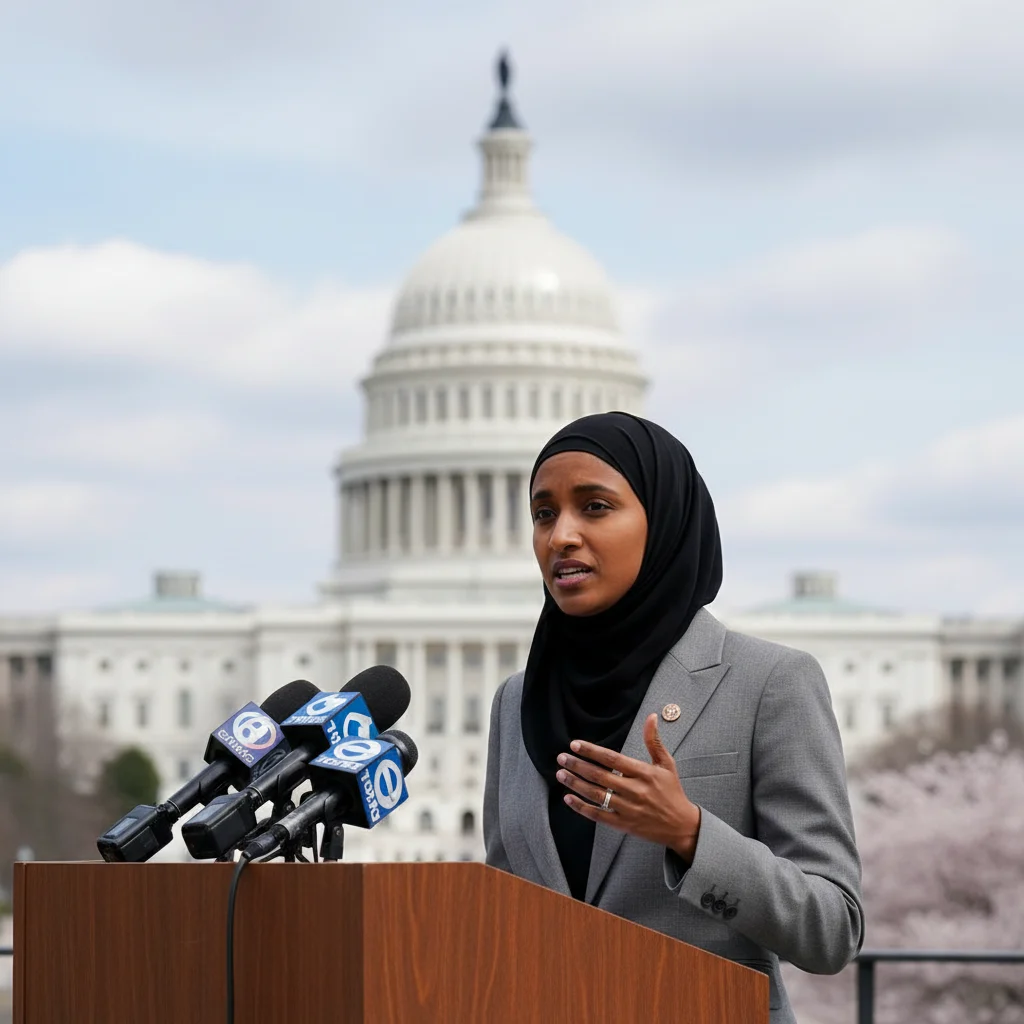
Minnesota Representative Ilhan Omar is facing a critical juncture in her congressional career. The House Ethics Committee is expected to deliver its final ruling soon on a years-long investigation into her campaign payments. The probe centers on thousands of dollars spent on private security. With the November 2026 midterm elections on the horizon, the timing of the decision could have significant political implications for the high-profile Democrat.
For years, Omar has been one of the most polarizing figures in Washington. As a member of the informal progressive group known as ‘The Squad,’ she has consistently drawn intense national attention. That spotlight has come with a heavy cost. Her office has frequently cited a barrage of death threats and harassment as the reason behind her campaign’s extensive security expenses. However, political opponents and watchdog groups argue that the spending crossed ethical lines.
The Core of the Investigation
The Ethics Committee’s inquiry has focused on whether Omar’s campaign violated federal rules or House standards by directing significant funds toward private protection. A key point of contention in earlier complaints was the campaign’s relationship with the E Street Group, a political consulting firm co-owned by her husband, Tim Mynett. While the campaign cut direct ties with the firm years ago to avoid conflicts of interest, scrutiny over her security arrangements persisted.
Federal Election Commission (FEC) rules generally permit lawmakers to use campaign funds for personal security if there is a verified, active threat against them. The House Ethics Committee, however, operates under its own distinct set of guidelines. It looks not just at the letter of the law, but also at whether a member’s conduct reflects discreditably upon the House.
Supporters of the congresswoman argue that the investigation is politically motivated. They point out that female lawmakers of color, particularly those who are Muslim, face a disproportionate amount of hostility. For them, private security is not a luxury. It is a daily necessity. Her campaign has repeatedly maintained that all expenditures were fully vetted, legal, and essential to keeping her and her staff safe during public events.
Bipartisan Deliberations and Potential Outcomes
The House Ethics Committee is unique because it is evenly divided between Democrats and Republicans. This rare 50-50 split means that any final action requires bipartisan agreement. The panel cannot simply push through a partisan agenda. If they reach a consensus, their options range from dismissing the complaints entirely to issuing a public letter of reproval. In more severe cases, they can recommend a full House vote on a censure or a fine.
A quiet dismissal would be a major victory for Omar. It would allow her to head into the 2026 campaign cycle with a clean slate. On the other hand, even a mild sanction could give ammunition to potential primary challengers or Republican opponents in Minnesota’s 5th Congressional District. While the district is historically a Democratic stronghold, primary battles in urban areas have become increasingly competitive and expensive in recent years.
What Lies Ahead for the 2026 Midterms
The looming decision comes at a time of heightened anxiety for both major parties. Every seat in the House of Representatives will be up for grabs in 2026. Control of the chamber is expected to be razor-thin. Leaders on both sides are watching the committee’s work closely, knowing that any controversy can easily be amplified into national campaign ads.
For now, Omar’s team is keeping its focus on legislative business. But the pressure is building. A final resolution of this inquiry will not only decide the fate of a long-standing political dispute but will also clarify the rules of engagement for how members of Congress protect themselves in an increasingly volatile political climate.
