
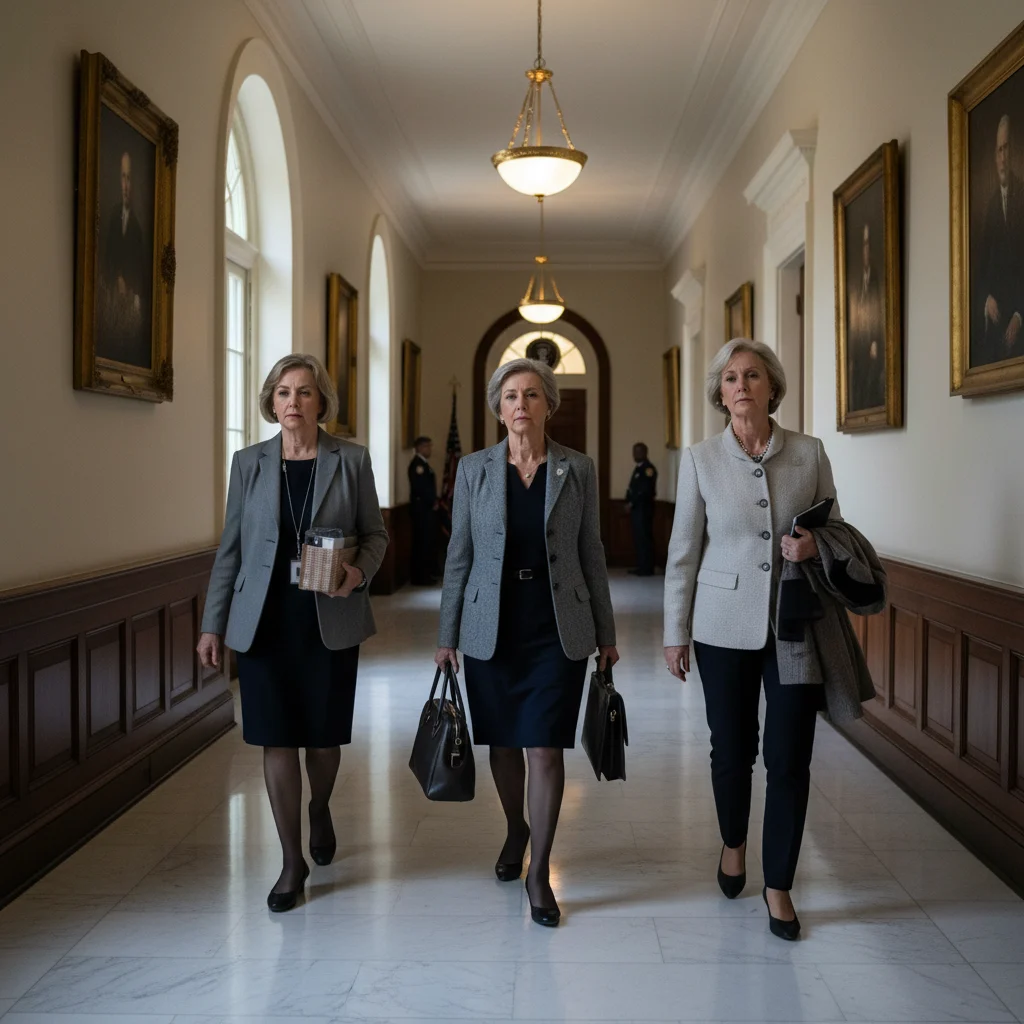
The departure was remarkably quiet. Catherine Miller, the Deputy Domestic Policy Advisor, did not release a fiery press statement. She did not post a thread on social media explaining her decision. Instead, she quietly packed up her office on a Friday afternoon, handed in her security badge, and walked out of the West Wing for the last time.
Her exit might have gone unnoticed if it were an isolated incident. But it is not. Over the last six weeks, a quiet exodus of senior female policy advisors has been underway within the second Trump administration. As the country edges closer to the critical 2026 midterm elections, these departures are exposing deep, ideological fractures over the direction of the administration’s family and labor policies.
The Breaking Point: Paid Family Leave
At the center of the tension is a bitter, behind-the-scenes battle over federal paid family leave. According to three administration officials who spoke on the condition of anonymity, Miller’s resignation was the direct result of a final, failed push to protect a proposed federal paid leave mandate.
For months, Miller and a small coalition of moderate policy advisors had been drafting a compromise package. Their goal was to introduce a national policy offering six weeks of paid leave for new parents, funded through a targeted payroll tax adjustment. They viewed the policy as a vital olive branch to suburban women, a demographic that GOP strategists know will decide the fate of the House and Senate in 2026.
But the proposal ran into a brick wall. Hardline fiscal conservatives inside the Office of Management and Budget (OMB) and key economic advisors flatly rejected the plan. They argued that any federal mandate would burden small businesses and look too much like a traditional Democratic entitlement program.
“Catherine spent months trying to find a middle ground that the President could sell on the campaign trail,” said a senior administration official who worked alongside Miller. “She was told, in no uncertain terms, that the administration was moving in a different direction. The economic team wanted deregulation, not new federal benefits. For her, that was the end of the line.”
A Pattern of Departures
Miller is not the only high-ranking woman to exit in recent weeks. Her departure follows that of Julie Vance, a veteran communications strategist who liaised with key advocacy groups, and Dr. Arlene Smith, a senior healthcare policy advisor who had been advocating for maternal health funding.
While each woman cited personal reasons or a desire to return to the private sector, colleagues say the underlying theme is identical: frustration over a policy platform that they believe is alienating female voters.
The timing could not be worse for the Republican party. Midterm elections are historically difficult for the party in power. To maintain their legislative margins, Republicans must win over moderate, college-educated women in swing districts across Pennsylvania, Michigan, and Arizona.
“You can’t win suburban districts with economic theory alone,” said Marcus Reynolds, a veteran Republican strategist. “You need kitchen-table issues. Paid family leave, maternal care, child care costs—these are the issues that matter to the swing voters we desperately need. Losing the very women who were trying to build that bridge is a massive tactical error.”
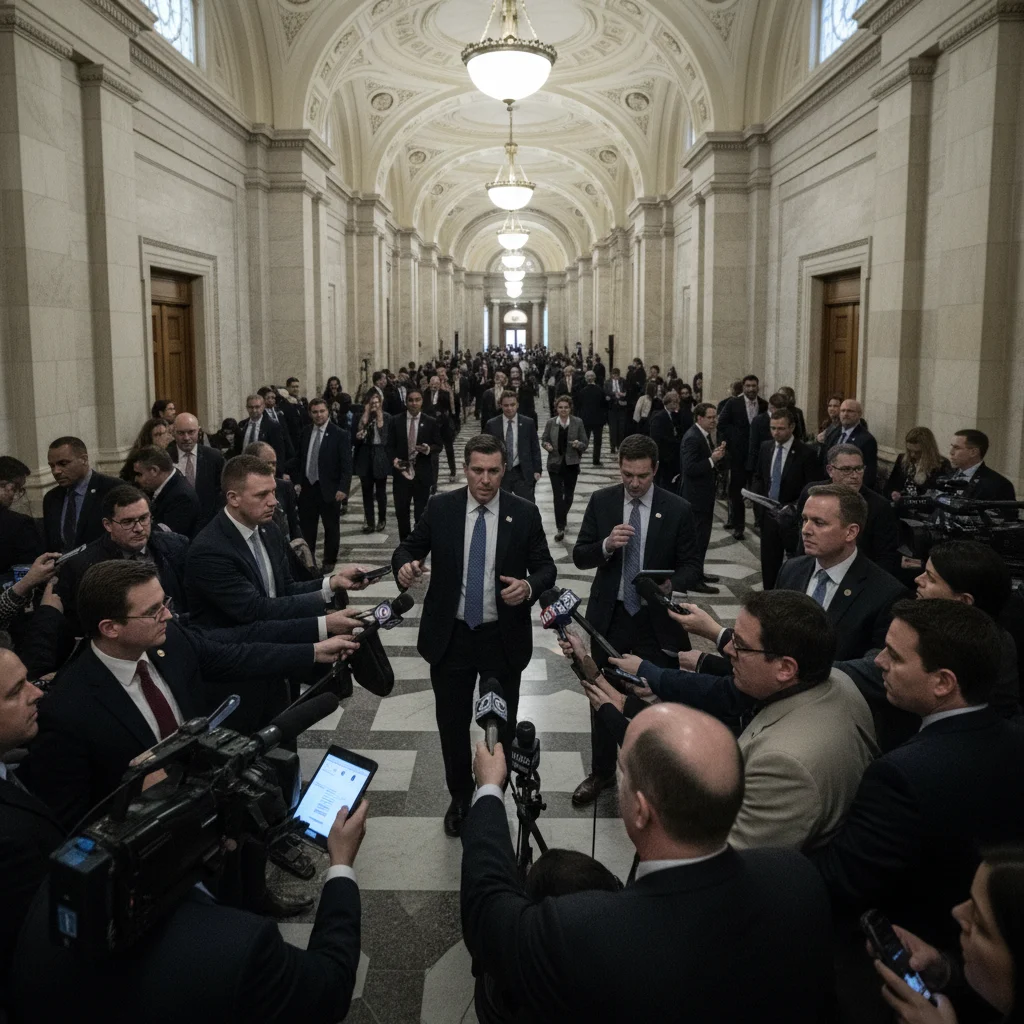
The Battle for the Administration’s Soul
The internal debate highlights a larger philosophical clash within the administration. On one side are the populist-nationalists who believe the party should lean into blue-collar, working-class priorities. On the other side are the traditional free-market conservatives who oppose government intervention in the private sector.
Under the first Trump administration, figures like Ivanka Trump successfully pushed paid family leave into the national spotlight, securing paid parental leave for federal employees in 2019. But the dynamics of the second administration are different. The influence of fiscal hardliners has grown, leaving moderates with fewer allies in key decision-making rooms.
Some loyalists dismiss the idea of a coordinated exodus. They point out that high turnover is standard in any administration approaching its second year. They argue that the focus should remain on deregulation and tax cuts, which they believe will naturally boost the economy and help families more than federal mandates.
What Comes Next?
With Miller and her allies gone, the prospects for a federal paid family leave initiative during this term appear dead. The policy focus is shifting rapidly toward tax incentives for corporations that choose to offer leave voluntarily, a move critics say does little for low-income workers.
For the women who left, the focus is now on the outside. Several former advisors are reportedly forming an external policy coalition to lobby Congress directly, bypassing the White House altogether. They hope to find willing partners among moderate congressional Republicans who are feeling the heat from their suburban constituents.
Meanwhile, the empty desks in the West Wing serve as a stark reminder of a changing tide. Without these key female voices at the table, the administration’s messaging ahead of 2026 may look very different—and far tougher to sell to the voters who hold the keys to power.
