

A Rising Tide of Local and Regional Discontent
Life is getting more expensive in Azerbaijan, and people are starting to speak out. From agricultural fields to the halls of political parties, a wave of economic anxiety is making itself felt. At the same time, Baku is navigating a complex web of regional challenges. Neighbors are dealing with everything from sudden fuel shortages to high-profile political arrests and devastating natural disasters. It is a volatile moment for the South Caucasus.
The Cost of Water: New Tariffs Spark Backlash
Water is no longer free for Azerbaijani businesses. Starting September 1, a new fee structure will target commercial operations that draw water from the Caspian Sea, local rivers, lakes, and underground wells. The decision, quietly passed by the Cabinet of Ministers back in April, has ignited a fierce debate online.
Under the new rules, any entrepreneur using motorized pumps to draw natural water for business purposes must pay the state. For small-scale farmers and industrial operators already facing tight margins, the news is a heavy blow. Social media platforms have been flooded with criticism. Many argue that taxing basic natural resources will only drive up food prices and push struggling family businesses over the edge.
Milk on the Ground: A Farmer’s Desperate Protest
The financial pressure on rural workers is already reaching a boiling point. Recently, a video of an Azerbaijani dairy farmer went viral, capturing the raw frustration of the country’s agricultural sector. In the footage, the farmer systematically pours gallons of fresh milk directly onto the dirt road. His reason was simple: wholesale buyers were offering him a meager 15 qapik per liter.
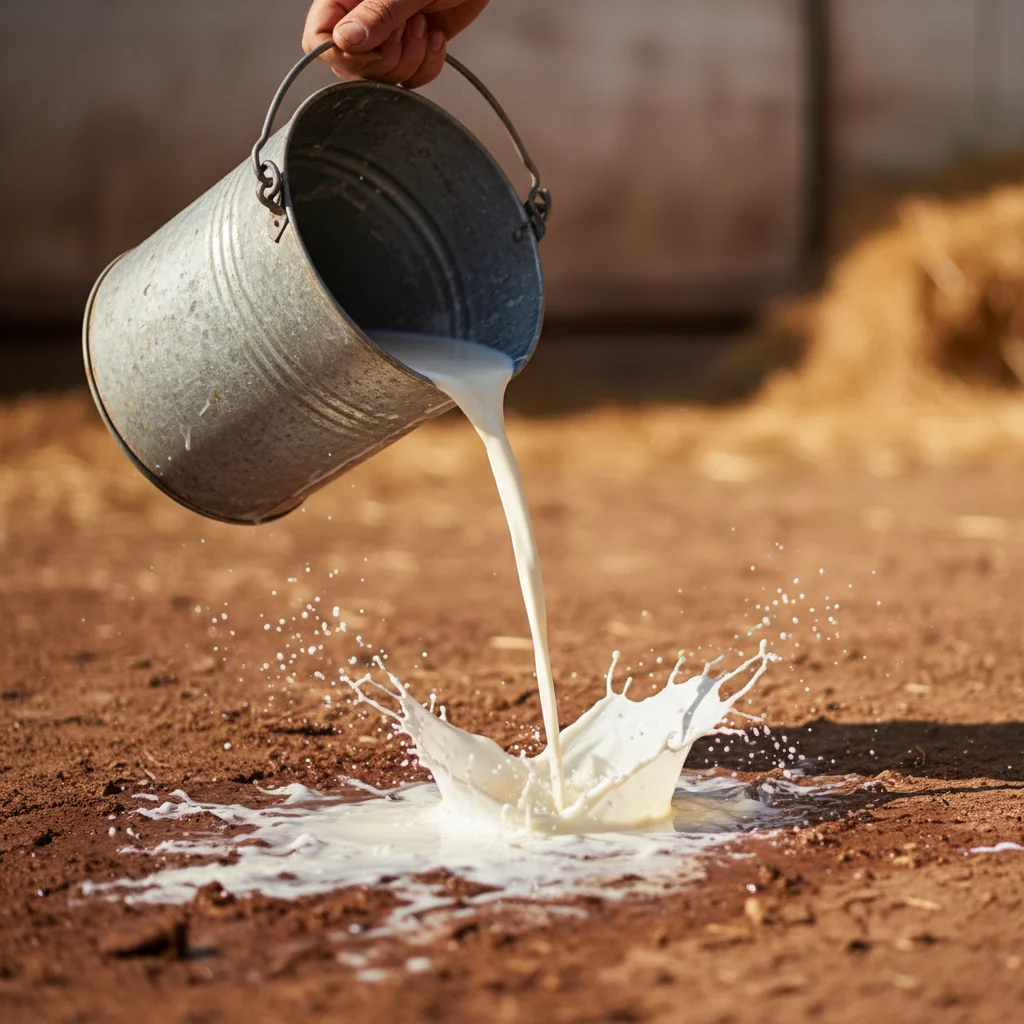
“I would rather pour it away than sell it for that price,” the farmer said in the video. He pointed out that while retail prices for dairy products in supermarkets remain high, the money trickling down to producers does not even cover the basic cost of animal feed. It is a stark illustration of the disconnect between rural producers and urban markets.
This frustration is not isolated. Arif Hacili, the assembly chairman of the opposition Musavat Party, echoed these concerns in a recent interview with journalist Saadat Akifgizi. Hacili claimed that nearly 90 percent of the Azerbaijani population is dissatisfied with current socio-economic conditions. He pointed to deteriorating living standards in Baku districts like Yasamal, arguing that the economic fallout of the post-war period has left ordinary citizens highly vulnerable.
Diplomatic Friction and New Alliances
While domestic tensions simmer, Azerbaijan’s foreign ministry is dealing with diplomatic incidents abroad. Baku recently lodged an official protest with Moscow after unidentified individuals hung three controversial posters on the Azerbaijani embassy building in the Russian capital. Details about the content of the posters remain scarce, but the incident has added friction to an already delicate diplomatic relationship.
Yet, it is not all tension on the diplomatic front. Baku is actively looking east to secure its geopolitical footing. Azerbaijan recently signed an “eternal friendship” pact with Uzbekistan, signaling a mutual desire to deepen economic and strategic cooperation in Central Asia.
Shifting Sands in Armenia
Across the border, Armenia is experiencing its own political tremors. Former Armenian President Robert Kocharyan and his eldest son, Sedrak, have been detained for two months. The arrests stem from a series of sweeping corruption charges. Kocharyan, who served as Armenia’s second president, has vehemently rejected the allegations, claiming they are politically motivated attempts to silence his family.
These arrests coincide with a massive foreign policy pivot by the current Armenian government. Prime Minister Nikol Pashinyan recently announced that Armenia intends to formally apply for European Union membership. Along with this westward turn, Yerevan has expressed a desire to finalize a lasting peace treaty with Azerbaijan, though concrete diplomatic breakthroughs remain elusive.
Fuel Shortages in Russia and Desperation in Iran
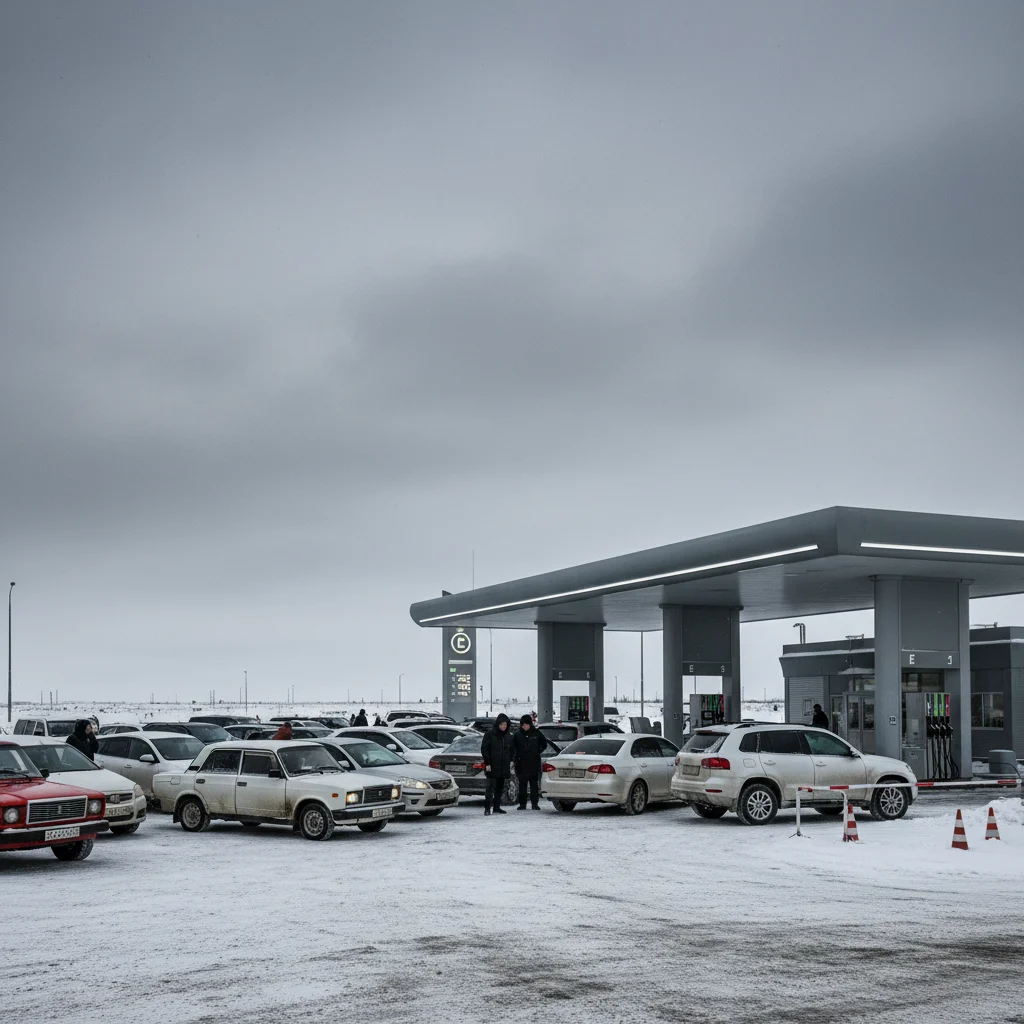
Further abroad, Azerbaijan’s larger neighbors are facing severe internal crises. In Russia, a worsening fuel deficit has gripped the country. Following a series of drone strikes on oil refineries in early August, a second wave of fuel shortages has hit at least 25 Russian regions. Drivers are reporting long queues at gas stations, rising prices, and a noticeable drop in fuel quality.
To the south, Iran’s economic struggles are forcing citizens to take extreme measures. Sky-high inflation and a plummeting currency have created a desperate environment. Some Iranian women have turned to selling their own hair to local beauty salons and wigmakers just to secure a basic income for food and rent.
Tragedy on the Nepal-Tibet Border
In Asia, a humanitarian crisis is unfolding along the mountainous border between Nepal and Tibet. Severe landslides and flash floods have devastated entire communities. Local authorities report that the death toll has now surpassed 470 people. More than 1,000 others, including foreign tourists, are currently missing. Emergency crews are working around the clock, but washed-out roads and treacherous terrain are severely hampering search and rescue operations.

Omer Faruk
Omar Faruk is a digital content creator and online publisher passionate about sharing useful information, trending news, and practical guides for internet users. He focuses on creating engaging and easy-to-understand content related to global news, entertainment, technology, online earning, and lifestyle topics.
With a strong interest in digital media and SEO-friendly content writing, Omar Faruk continuously works to build informative platforms that help readers stay updated and make better online decisions.
He believes in delivering valuable, accurate, and user-friendly content that serves a global audience and improves everyday digital experiences.