


Cleaning Up the Wild West of IT Education
Bangladesh has quietly become a global powerhouse in the gig economy. Walk into any quiet neighborhood in Dhaka, Chattogram, or Sylhet, and you will find young people staring at glowing screens deep into the night. They are designing websites, writing code, translating documents, and managing social media campaigns for clients thousands of miles away. According to international labor reports, the country is now one of the world’s leading suppliers of online freelancers.
With this massive boom came a parallel industry: coaching centers. Hundreds of institutions have popped up across the country, promising to turn absolute beginners into high-earning digital professionals in a matter of weeks. Some deliver on their promises. Many do not. Recognizing this growing problem, the government is stepping in to regulate the market. The Information and Communication Technology (ICT) Division has announced plans to launch an official rating system for all freelancing training centers by the fourth quarter of 2026.
The Growing Need for Accountability
For years, the narrative around freelancing in Bangladesh was purely triumphant. Government campaigns celebrated self-made youths earning foreign currency from their bedrooms. But as the market matured, the lack of quality control became impossible to ignore. Unscrupulous business owners saw an opportunity to exploit the desperation of unemployed youths eager to break into the tech sector.
Many of these centers charge hefty tuition fees while offering outdated curriculums. Some go as far as guaranteed job placement or immediate freelance earnings, claims that rarely materialize. Students, often from low-income families, borrow money to pay for these classes, only to find themselves with useless certificates and no marketable skills.

The ICT Division’s upcoming rating system aims to separate the wheat from the chaff. By setting up a transparent, publicly accessible ranking database, the government wants to give prospective students a reliable tool to evaluate where they spend their hard-earned money. It is an effort to bring order to an industry that has operated without oversight for over a decade.
How the Rating Framework Will Work
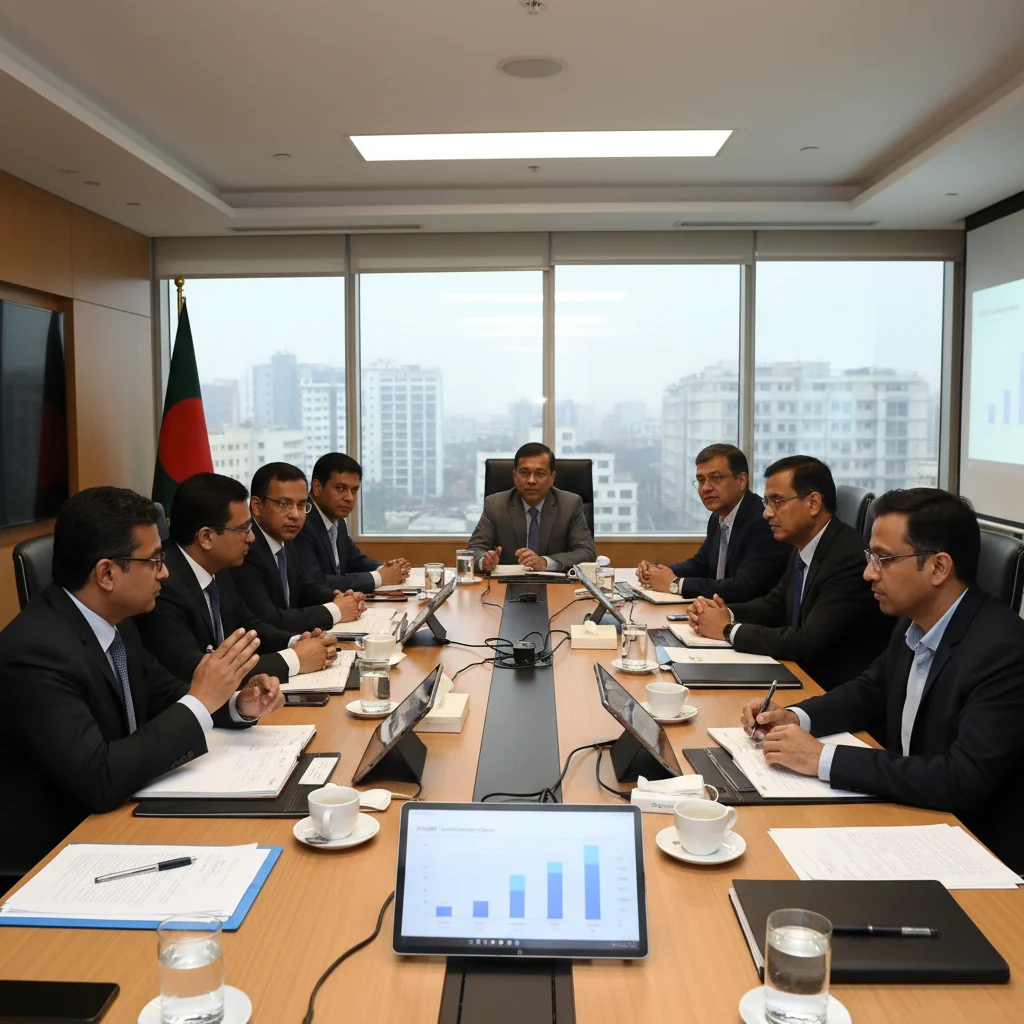
The rating system will not just be a simple star rating based on user reviews. The ICT Division plans to implement a multi-layered evaluation framework that looks at several key performance indicators. The government will collaborate with industry bodies like the Bangladesh Association of Software and Information Services (BASIS) and the Bangladesh Association of Contact Center & Outsourcing (BACCO) to design the metrics.
According to sources within the ICT Division, the evaluation criteria will include:
- Curriculum Relevance: Are the courses aligned with current global market demands, or are they teaching obsolete technologies?
- Mentor Qualifications: Do the instructors have verified, successful track records as active freelancers or industry professionals?
- Infrastructure and Facilities: Does the center provide adequate computer labs, high-speed internet, and hands-on practical sessions?
- Success and Placement Rates: What percentage of graduates actually secure freelance contracts or formal employment within six months of completing the course?
- Student Feedback and Redressal: How does the institution handle student complaints and support struggles?
Institutions will be graded on a scale, possibly from A to E, or through a traditional five-star system. The final ratings will be hosted on a central public portal managed by the ICT Division, making it incredibly easy for any citizen to check an institute’s credentials before enrolling.
A Phased Rollout Leading to Q4 2026
Building a robust national rating system from scratch is a massive undertaking. The ICT Division has laid out a clear timeline leading up to the final launch in the final months of 2026. The next two years will be crucial for policy design and stakeholder engagement.
The first phase, scheduled to begin in early 2025, will focus on draft policy formulation and registering all existing training centers in a national database. Right now, many centers operate under simple trade licenses without any specific registration as educational or vocational facilities. The government will make registration mandatory.
By late 2025, the ICT Division plans to run a pilot version of the rating system in selected metropolitan areas, including Dhaka and Chattogram. This pilot program will allow authorities to test their evaluation methodologies, gather feedback from training center owners, and fine-tune the digital portal. After addressing the loopholes discovered during the trial run, the system will go live nationwide by Q4 2026.
Industry Leaders and Freelancers Weigh In
Reaction to the announcement has been overwhelmingly positive, though some training center operators have expressed concerns about the bureaucratic hurdles. Professional freelancers, who have watched the reputation of Bangladeshi talent suffer due to poorly trained newcomers, are particularly supportive of the move.

“It is about time,” says Rafiqul Islam, a top-rated web developer on Upwork based in Dhaka. “We see so many new freelancers entering the market with zero practical knowledge because some training center promised them quick money. They bid on projects, fail to deliver, and hurt the reputation of all Bangladeshi freelancers. If this system shuts down the bad actors, it is a win for the entire country.”
Meanwhile, established training institutes welcome the competition but urge the government to keep the process transparent and free from corruption. “We have spent years building our reputation and keeping our curriculum up to date,” says the director of a prominent IT training center in Dhanmondi. “We are not afraid of a rating system. However, the evaluation process must be objective, automated, and free from administrative bias. If the auditing process becomes corrupt, it will defeat the entire purpose of the initiative.”
Strengthening the National Economy
The timing of this initiative aligns perfectly with Bangladesh’s broader economic goals. As the country prepares to graduate from the Least Developed Country (LDC) category, expanding the digital economy is no longer just an option; it is a necessity. The government hopes that by raising the standard of local training centers, Bangladesh can move up the value chain from low-cost data entry tasks to high-end software development, artificial intelligence, and cyber security services.
By ensuring that the next generation of digital workers receives world-class training, the government is protecting both its citizens and its economic future. The road to Q4 2026 will undoubtedly feature logistical challenges, but the destination promises a much cleaner, safer, and highly competitive digital landscape for Bangladesh.

Omer Faruk
Omar Faruk is a digital content creator and online publisher passionate about sharing useful information, trending news, and practical guides for internet users. He focuses on creating engaging and easy-to-understand content related to global news, entertainment, technology, online earning, and lifestyle topics.
With a strong interest in digital media and SEO-friendly content writing, Omar Faruk continuously works to build informative platforms that help readers stay updated and make better online decisions.
He believes in delivering valuable, accurate, and user-friendly content that serves a global audience and improves everyday digital experiences.