

Digital newsrooms faced a quiet crisis in late August 2026 when Google’s search engine stopped indexing newly published articles. For several hours, fresh stories simply failed to appear in search results, starving publishers of critical breaking-news traffic. The technical hiccup, which began on August 24, left media outlets and search engine optimization (SEO) specialists scrambling for answers as real-time analytics dashboards plummeted.
The trouble became apparent early Monday afternoon. Journalists publishing time-sensitive stories noticed their pieces were completely invisible on Google Search and the Google News tab. Using the “site:” search operator yielded absolutely nothing for newly minted URLs. For a business model that depends on rapid-fire distribution and immediate eyeballs, the delay felt like an eternity.
Publishers Left in the Dark
“We put out three breaking stories on a major local merger, and we saw absolutely zero search traffic for four hours,” said Marcus Vance, an audience growth director for a mid-sized digital publisher. “Normally, we see an organic traffic spike within minutes of hit publish. It was like shouting into a void.”
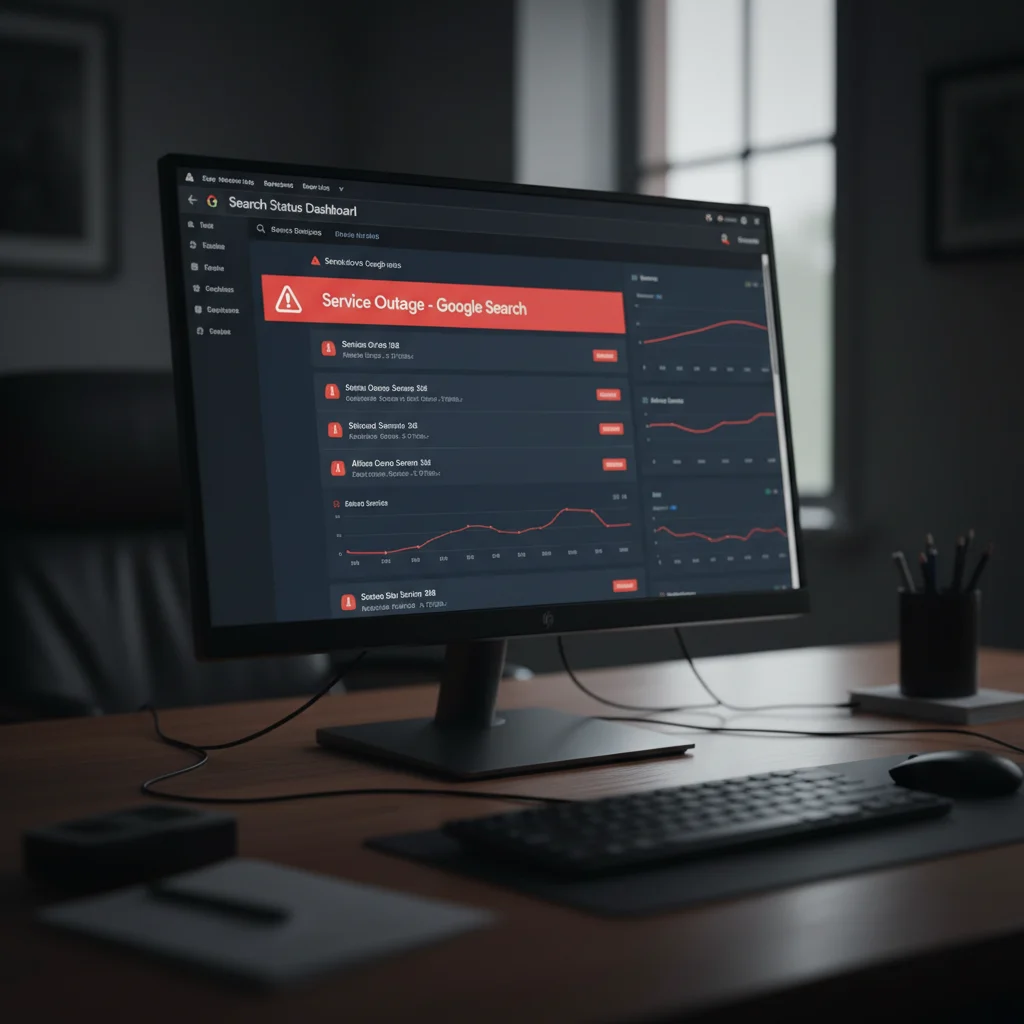
Google eventually acknowledged the glitch on its official Search Status Dashboard. At 4:30 PM EST, the company confirmed that an issue was actively affecting its indexing systems. Google noted that the problem was causing significant delays in the time it took for new web pages to be crawled, processed, and served to users. However, the tech giant did not immediately share what caused the infrastructure breakdown.
Indexing is the lifeblood of search. It is the process where Google’s automated bots crawl the web, analyze pages, and store them in a giant database. When a user searches for something, Google pulls results from this index. When the pipeline clogs, the search engine essentially operates on old data. While evergreen content remained unaffected, anything written in real-time was effectively dead on arrival.
The Long Road to Recovery
The timing could not have been worse. Late August is traditionally a busy period for back-to-school coverage, late-summer political campaigns, and prep sports. Without Google acting as the primary funnel, publishers had to rely heavily on alternative channels to get their reporting seen. Many turned to:
- Direct newsletter campaigns to engaged subscribers.
- Social media platforms to drive immediate click-throughs.
- Push notifications sent directly to mobile devices.
By Tuesday morning, August 25, Google announced a fix. According to an update on their status page, the underlying bug had been mitigated, and the systems were beginning to catch up. “The issue has been resolved, and our systems are operating normally again,” the company stated in a brief wrap-up message.
Clearing the Backlog
Even though the engine was running again, the recovery was not instantaneous. A massive backlog of unindexed pages had piled up over the previous eighteen hours. Webmasters reported that while some new articles started indexing within minutes of the fix, older stories written during the height of the outage remained stuck in a queue for several more hours.
This is not the first time Google’s indexing systems have stumbled. Similar widespread outages occurred in 2020 and 2022, where technical bugs stripped new content from search indexes for days. However, the speed of the August 2026 fix suggests that Google’s engineering teams have gotten better at isolating these system bottlenecks quickly.
Industry analysts point out that these recurring indexing bugs highlight a deeper vulnerability for modern media. Over-reliance on a single distribution channel leaves publishers incredibly exposed. “When Google has a technical bad day, the entire news ecosystem suffers a financial blow,” explained Sarah Jenkins, a media analyst. “It shows how fragile the current web distribution model really is, especially for organizations that haven’t diversified their audience reach.”
Fortunately, this disruption was relatively short-lived. Google’s swift resolution prevented a multi-day traffic drought, but the incident serves as a stark reminder of the search giant’s absolute grip on the flow of daily information. For now, newsrooms have returned to normal operations, keeping a very close eye on their real-time traffic monitors.

Omer Faruk
Omar Faruk is a digital content creator and online publisher passionate about sharing useful information, trending news, and practical guides for internet users. He focuses on creating engaging and easy-to-understand content related to global news, entertainment, technology, online earning, and lifestyle topics.
With a strong interest in digital media and SEO-friendly content writing, Omar Faruk continuously works to build informative platforms that help readers stay updated and make better online decisions.
He believes in delivering valuable, accurate, and user-friendly content that serves a global audience and improves everyday digital experiences.