


The massive artificial intelligence boom of 2026 has run face-first into a physical wall. There simply are not enough high-end graphics chips to go around. Silicon giants are facing historic manufacturing backlogs. If you are a trillion-dollar tech conglomerate with massive cash reserves, you might secure a shipment of high-end enterprise chips. If you are a smaller startup, you are out of luck. Or, perhaps, you just look elsewhere.
That desperation has created an unexpected new class of tech entrepreneurs: everyday internet users. Across the globe, ordinary people are turning their idling home computers and excess internet bandwidth into active income. They are renting out their hardware to decentralized networks, stepping in to fill the massive supply gap left by traditional data centers.
It is a significant shift in how the internet’s physical infrastructure is built. Rather than relying solely on massive, centralized server farms owned by tech giants, AI companies are increasingly harvesting the spare power of home gaming rigs, office PCs, and standard residential Wi-Fi connections.
Inside the World of DePIN
This phenomenon is driven by a technology concept called Decentralized Physical Infrastructure Networks, or DePIN. These platforms aggregate computing power from thousands of individual contributors around the globe. By using specialized software, they stitch together these disparate home setups into a single, massive virtual network.
Dr. Aris Thorne, a cloud computing analyst, notes that this represents a fundamental democratization of hardware. Before this wave, training an AI model required renting space from a major cloud provider. Now, startups can rent a fraction of a percent of a distributed network built from thousands of gaming computers sitting in bedrooms from Ohio to Osaka.
Platforms like IO.net, Akash, and the Render Network act as the middle managers of this new economy. They verify that a user’s hardware is real, test its performance, and then assign it tasks. The user gets paid in digital assets or stablecoins, which can be quickly converted to local currency.
From Gaming to Earning: A User’s Experience
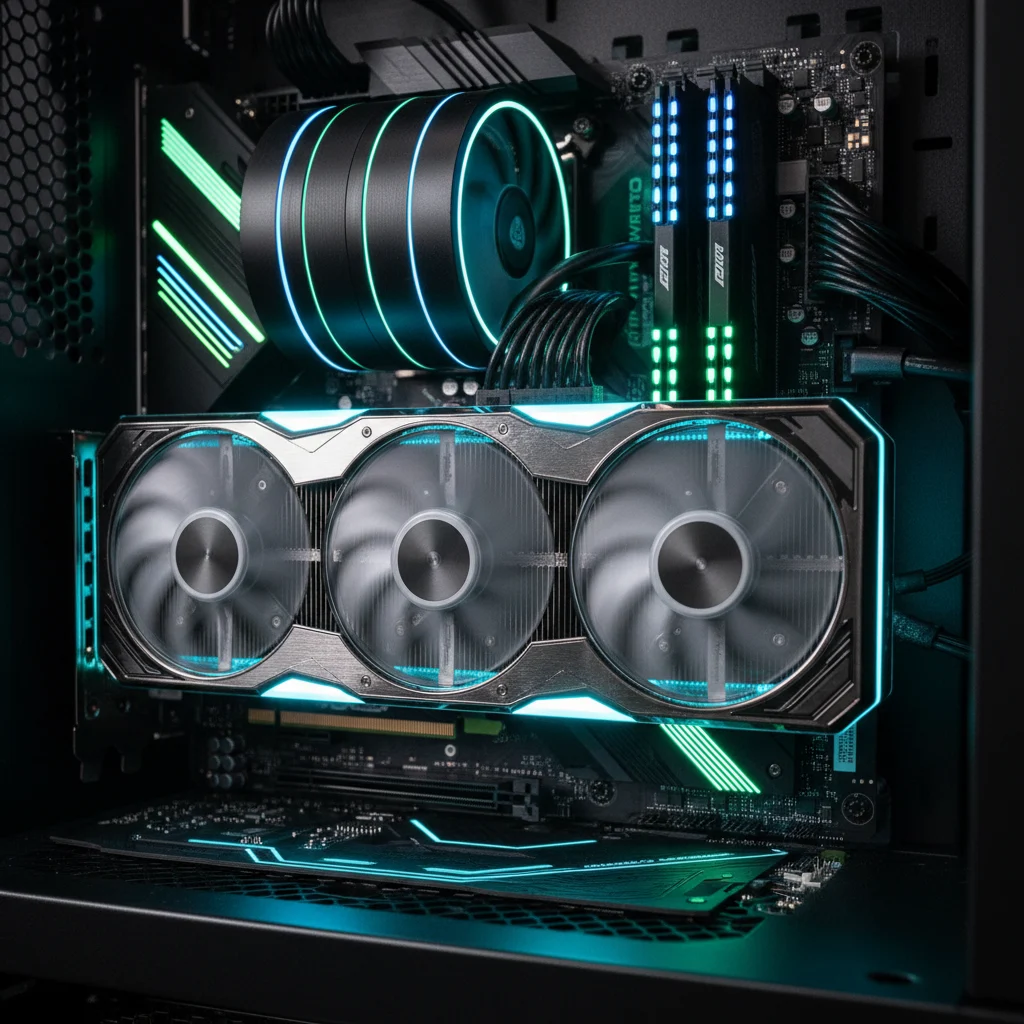
Marcus Chen, a 24-year-old software tester from Seattle, is one of those users. In late 2024, Chen spent nearly $2,000 on a high-end graphics card. He bought it for gaming. Today, it spends about eighteen hours a day running machine learning workloads for an AI startup based in Berlin.
“I used to leave my PC asleep when I went to work or slept,” Chen says. “Now, it runs constantly. The software operates in the background. It downloads small data sets, processes them, and uploads the results. I barely notice it unless I try to play a heavy game, at which point I just pause the client.”
Chen’s setup brings in roughly $180 a month after accounting for his increased electricity bill. In his local area, electricity costs about 12 cents per kilowatt-hour. His computer pulls roughly 450 watts under full load. The math works out in his favor. But Chen warns that the math changes depending on where you live.
“If you live in a place with expensive power, like parts of Europe or California, your profit margins can shrink fast,” he explains. “You have to monitor your utility bills. It is not free money. It is a business of margins.”

The Bandwidth Goldmine
It is not just about raw computing power. To train an AI, you need data. Massive amounts of it. And to collect that data, companies must scrape the web.
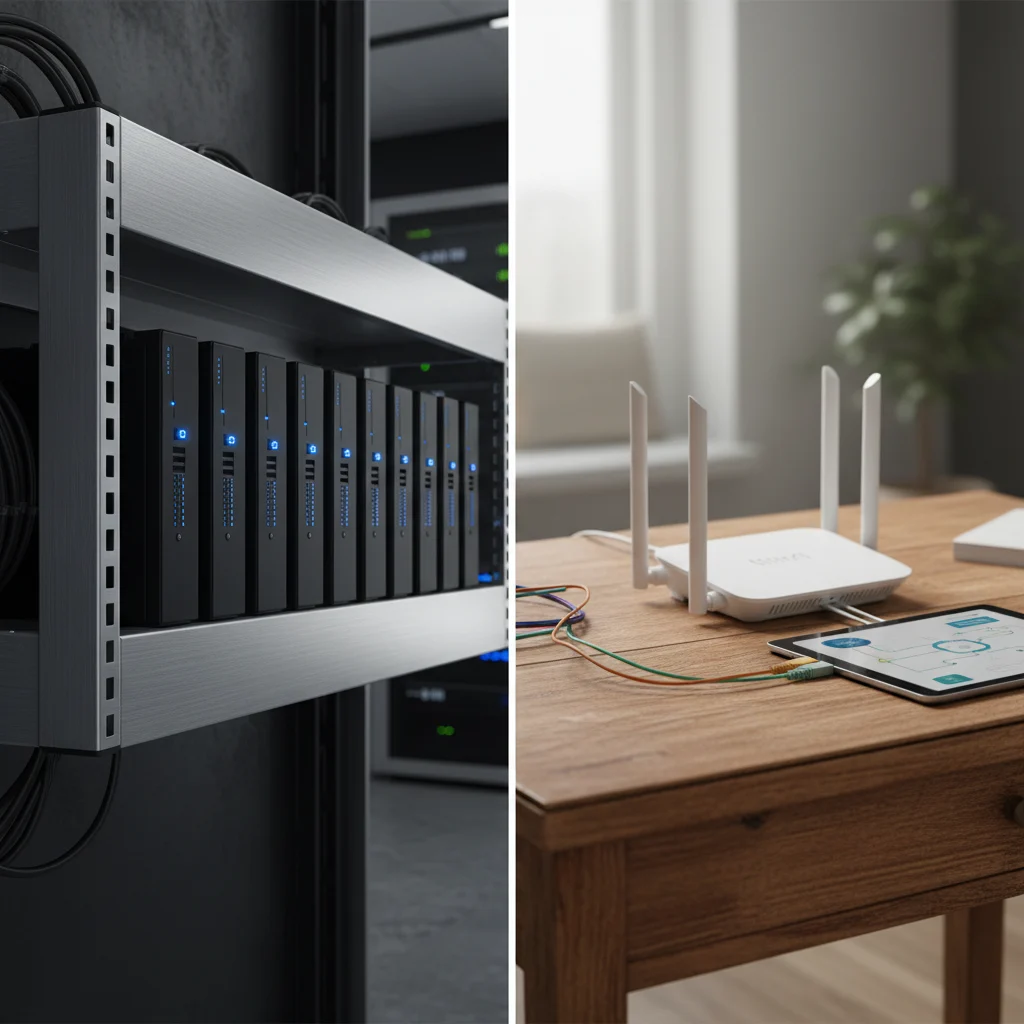
That is where standard home internet connections come in. When data centers try to scrape websites, they are often blocked. Large platforms identify the IP addresses of massive server farms and shut them out. But a residential IP address looks like a regular person browsing the web.
Networks like Grass and Wynd allow users to sell their unused internet bandwidth. The software runs quietly as a browser extension. It siphons off a tiny fraction of a user’s connection, usually less than one percent, to let AI companies browse the web through their residential IP.For users, this is even easier than GPU mining. There is no heavy hardware wear and tear, and no massive spike in electricity bills. Payouts are smaller, often ranging from $15 to $50 a month, but the barrier to entry is virtually nonexistent.
Security and Privacy Concerns
Naturally, letting third parties use your home network and computer raises red flags. What if someone uses your IP address to commit a crime? What if the software running on your system contains malware?
DePIN operators insist their systems are secure. They use advanced sandboxing techniques to isolate the rented resources from the rest of the host’s system. For bandwidth sharing, companies claim they vet all corporate clients to ensure they are only scraping public data.Still, cybersecurity experts urge caution. Digital privacy advocates warn that running proprietary software with deep access to a machine carries inherent risks. Even if the network itself is honest, a breach at the corporate level could expose thousands of home nodes. Users must decide if the financial return outweighs the potential security exposure.
Why Startups Prefer the Crowd
Despite the risks, the demand side of this equation is booming. For AI startups, renting decentralized compute is a lifesaver.
Traditional cloud providers have raised their prices significantly due to the silicon shortage. A startup might pay high hourly rates to rent a single enterprise-grade chip on a major cloud platform. On a decentralized network, they can often find equivalent consumer-grade power for a fraction of that cost.This cost reduction can mean the difference between survival and bankruptcy for early-stage companies. When you are training a model that requires thousands of hours of computation, a seventy percent discount is monumental.
The Long-Term Outlook
Is this a temporary fix for the current hardware crisis, or is it the future of computing?
Some analysts believe that once chip production catches up with demand, major tech giants will regain their monopoly. They argue that centralized data centers offer better reliability and faster connection speeds between chips, which is crucial for training massive frontier models.
Others see this as a permanent shift. The infrastructure is now in place. Millions of users have installed the software. For smaller AI models, fine-tuning tasks, and web data collection, the decentralized model is simply more efficient. It turns a waste product—idle home computing—into a useful resource.
For people like Marcus Chen, the debate matters less than the monthly deposit in his digital wallet. “My graphics card is paying for its own upgrade cycle,” Chen says with a laugh. “By the time the next generation of cards comes out, this one will have paid for its successor. I can’t complain about that.”

Omer Faruk
Omar Faruk is a digital content creator and online publisher passionate about sharing useful information, trending news, and practical guides for internet users. He focuses on creating engaging and easy-to-understand content related to global news, entertainment, technology, online earning, and lifestyle topics.
With a strong interest in digital media and SEO-friendly content writing, Omar Faruk continuously works to build informative platforms that help readers stay updated and make better online decisions.
He believes in delivering valuable, accurate, and user-friendly content that serves a global audience and improves everyday digital experiences.