


The New Side Hustle
Sarah Jenkins did not go to work on Tuesday. She spent her morning nursing a mug of black coffee and reading a paperback on her porch in suburban Chicago. But while she relaxed, her digital self was incredibly busy.
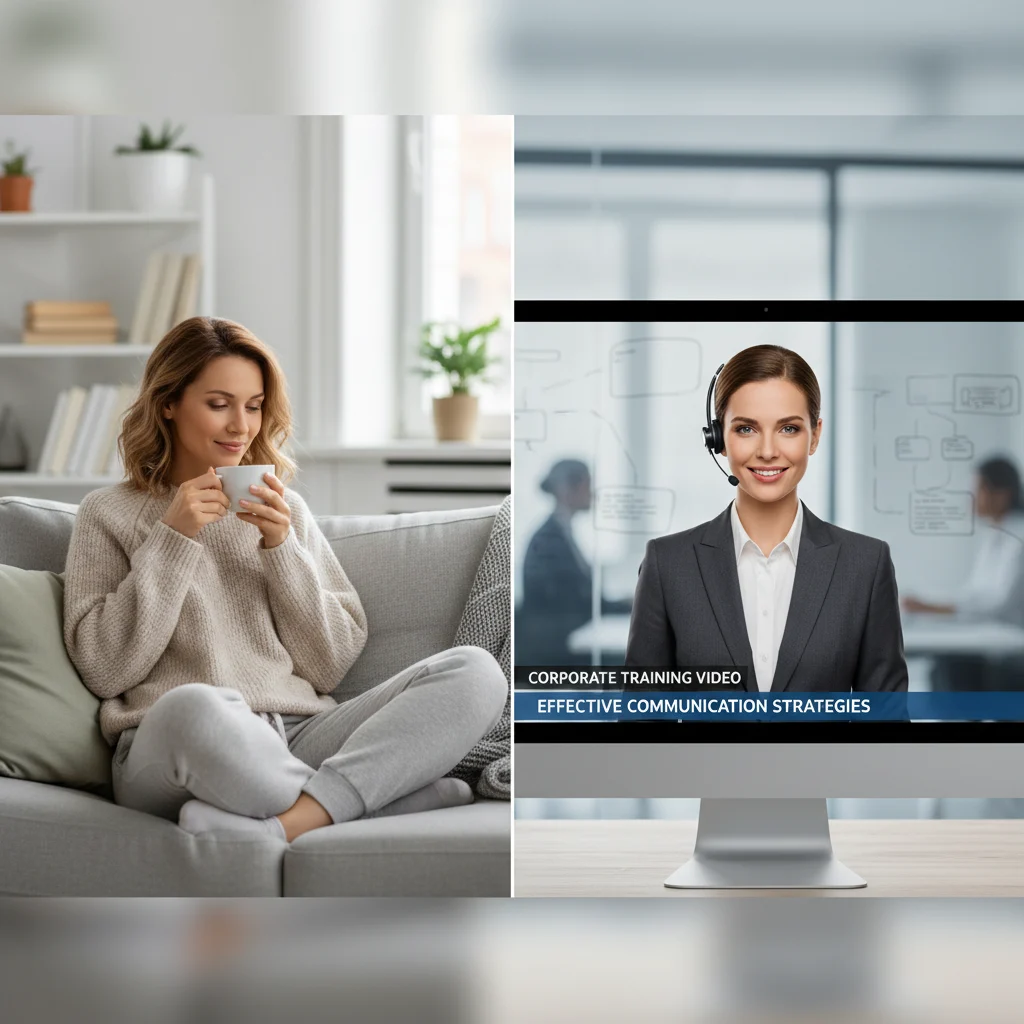
By noon, the 29-year-old middle school science teacher had hosted an internal training video for a logistics company in Munich, pitched a regional credit union’s new auto loan rates to TikTok users in Ohio, and narrated an audiobook on home gardening. She did all of this without uttering a single word or stepping in front of a camera. Her synthetic avatar handled everything.
For her digital labor, Jenkins earned $214 in royalty micro-payments by the time she finished her lunch. She is part of a rapidly growing group of everyday people securing steady passive income by licensing their voices and video likenesses to synthetic advertising networks. You no longer need to be a Hollywood celebrity or a social media influencer to rent out your face. You just need to be willing to license your digital twin.
“Last year, I was stressing over how to pay off my student loans,” Jenkins says. “Now, my digital clone pays my rent. It felt strange at first to see myself speaking fluent German in a video I never filmed, but the money is real, and the legal protections are finally in place.”
Inside the Synthetic Ad Network
The business model relies on specialized platforms like Persona Ads, Loom Video Network, and Vocalic. These companies act as talent agencies for digital avatars. The onboarding process is simple but highly technical.
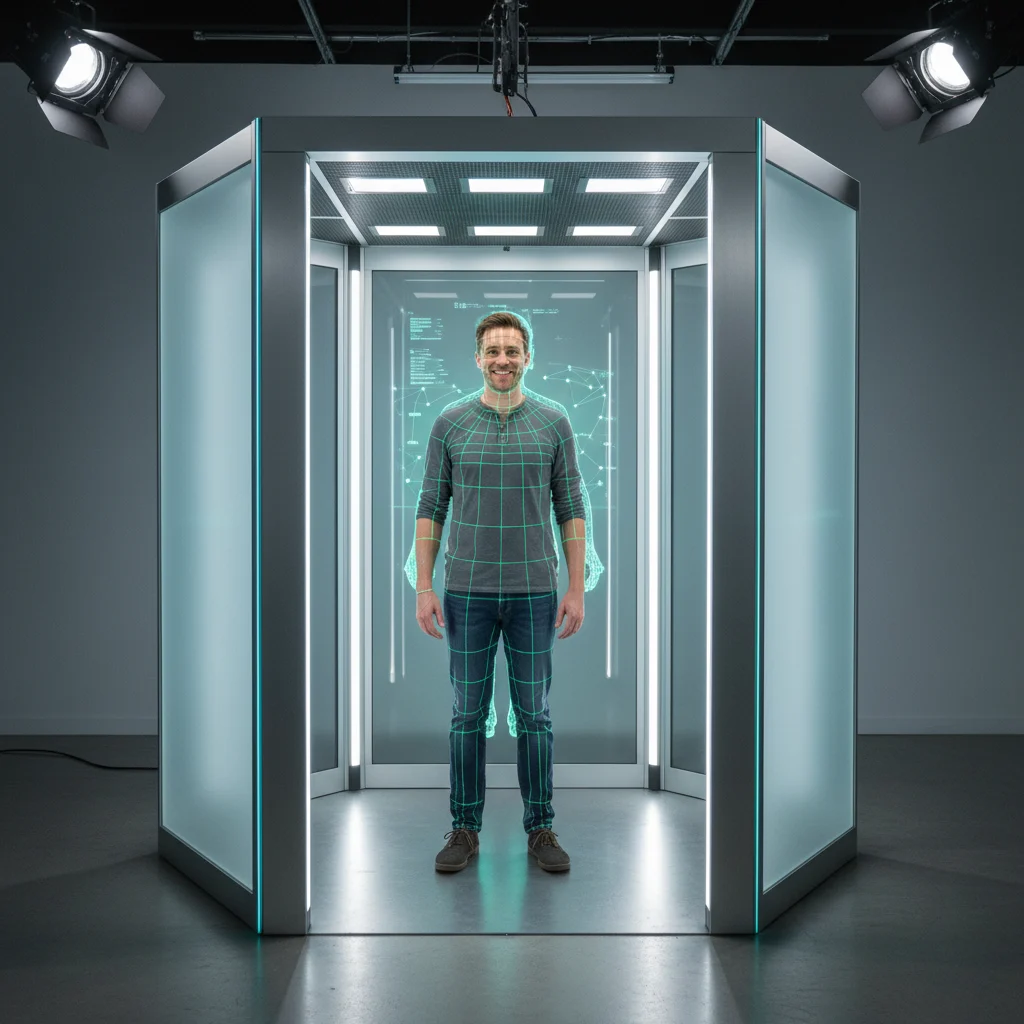
First, creators visit a local scanning studio or use a high-end smartphone app to capture high-definition, 3D video scans of their faces and bodies. They read a series of scripts for about an hour to record every nuance of their vocal range. The network’s artificial intelligence then trains a custom digital avatar and a voice clone that can speak any language with perfect inflection.
Once the digital twin is approved, it goes into a searchable catalog. Corporate clients and ad agencies search this directory to find the specific look and tone they need for their campaigns. Instead of hiring an actor, renting a studio, and filming for days, a brand can simply type up a script, select an avatar, and generate a dozen fully localized video ads in minutes.
How the Money Flows
Payout structures vary depending on how a creator chooses to license their likeness. The industry has standardized three main payment models:
- Flat-Rate Scanning Fees: An upfront payment ranging from $200 to $500 for the initial creation and hosting of the digital twin.
- Usage Royalties: Creators earn a small fee every time their avatar is used to generate a video. This usually ranges from $10 to $50 per finished asset.
- Impression-Based Micro-payments: For digital ad campaigns, creators earn a fraction of a cent per view. If an ad featuring their face goes viral on social media, the earnings can scale rapidly.
Marcus Vance, co-founder of Persona Ads, says the demand for everyday faces has spiked. “Brands do not want polished, untouchable celebrities anymore,” Vance explains. “They want the friendly neighbor next door, the relatable teacher, the local barista. Our data shows that consumers are far more likely to engage with an ad featuring someone who looks like a normal person.”
The Turn Toward Ethical Licensing
This industry did not emerge overnight, and its early days were messy. A few years ago, the rise of unauthorized deepfakes and shady licensing agreements left many creators wary of selling their likenesses. Early contracts often slipped in clauses that gave companies permanent, unrestricted ownership of a person’s digital identity.
Today, the regulatory landscape is much tighter. The synthetic talent industry now uses standardized smart contracts backed by digital watermarking technology. Creators retain full ownership of their underlying biometric data. They do not sell their faces; they rent them under strict, time-limited agreements.
Most platforms allow creators to set strict boundaries on how their likenesses are used. When signing up, users can check boxes to exclude specific industries. Common exclusions include:
- Political campaigns and lobbying efforts
- Adult entertainment and gambling
- Pharmaceutical products and medical devices
- Controversial social issues
Furthermore, all videos generated by these networks carry embedded C2PA metadata. This digital watermark proves that the video is synthetic and identifies the licensed platform that created it. If a company attempts to use an avatar outside the agreed-upon terms, the smart contract automatically pauses the campaign and alerts the creator’s agency.
The Corporate Appeal of the Everyday Face
For businesses, synthetic actors offer a massive logistical shortcut. Traditional video production is slow, expensive, and rigid. If a company wants to change a single line in a television commercial, they often have to book the actor again, rent the studio, and reshoot the entire scene.
With synthetic likenesses, making a change takes seconds. A copywriter can simply edit the text in a browser window, click generate, and have a new video ready in real-time. This flexibility allows brands to run hyper-localized campaigns.
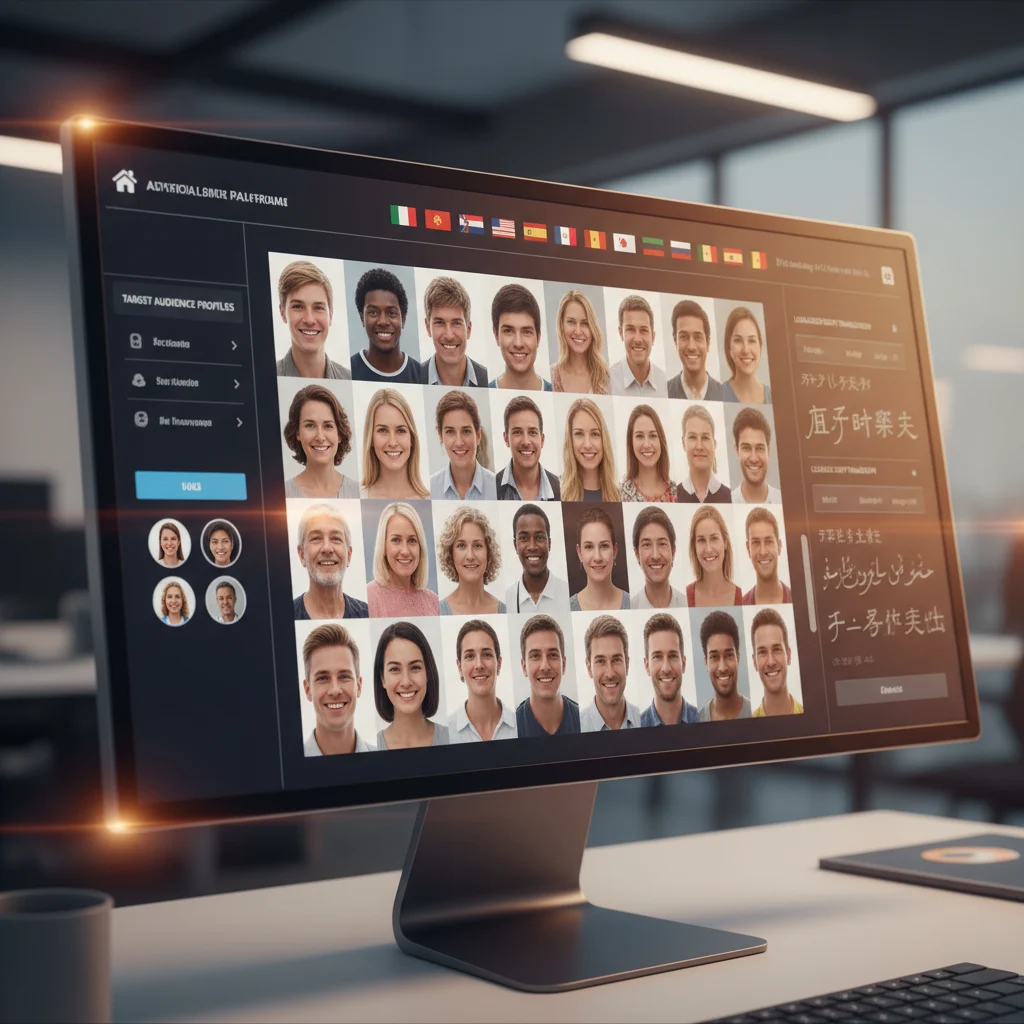
For instance, a national fast-food chain can run thousands of slightly different video ads simultaneously. An ad shown to a viewer in Boston might feature an avatar talking about local weather conditions, while a viewer in Miami sees the same avatar talking about the Florida heat, using localized slang in both instances.
This level of personalization is impossible with traditional video production. By using everyday creators who license their likenesses, companies can scale their creative output without ballooning their budgets.
Risks and Future Outlook
Despite the financial benefits, the rise of synthetic licensing raises valid questions about the future of traditional acting and voiceover work. Professional voice actors have voiced concerns that synthetic networks are driving down rates and reducing the number of entry-level gigs.
There is also the psychological hurdle of seeing yourself say things you never actually said. Jenkins admits she had to adjust to the experience of seeing her digital twin online. “The first time I saw myself in an Instagram ad for a tax prep software, my stomach dropped,” she says. “But then I remembered I made $450 from that single ad run. That made it much easier to digest.”
Industry analysts believe this is just the beginning. As translation software and voice synthesis become even more realistic, the demand for licensed human likenesses will likely expand beyond marketing. We could soon see licensed avatars acting as customer service representatives, virtual museum guides, and automated news anchors.
For now, everyday creators are enjoying the financial cushion. In an economy where traditional side hustles require trading precious hours for a paycheck, renting out your digital twin offers a rare, genuinely passive stream of revenue.

Omer Faruk
Omar Faruk is a digital content creator and online publisher passionate about sharing useful information, trending news, and practical guides for internet users. He focuses on creating engaging and easy-to-understand content related to global news, entertainment, technology, online earning, and lifestyle topics.
With a strong interest in digital media and SEO-friendly content writing, Omar Faruk continuously works to build informative platforms that help readers stay updated and make better online decisions.
He believes in delivering valuable, accurate, and user-friendly content that serves a global audience and improves everyday digital experiences.