
The New War Room on the Gulf Coast
Matt Gaetz is no longer in Congress, but he has no intention of staying quiet. From a newly built, state-of-the-art studio complex in Northwest Florida, the former representative is quietly constructing a digital media apparatus. The goal? To dictate the terms of the 2026 midterm elections and reshape the Republican Party from the outside.
Dubbed Firebrand Media, the venture is more than just a platform for Gaetz’s personal commentary. It is designed as a fully vertical political operation. The network combines live-streamed broadcasts, daily podcasts, investigative reporting, and direct-to-voter digital organizing tools. Sources close to the project say Gaetz has poured millions into the studio, securing top-tier broadcast equipment and hiring a lean team of aggressive young producers, video editors, and digital strategists.
Bypassing the Gatekeepers
For decades, political campaigns relied on television advertisements and the endorsement of party bosses. Gaetz is betting that era is dead. His new network bypasses the traditional Republican campaign infrastructure entirely, going straight to the screens of conservative voters. This direct line gives him unique leverage.
“The gatekeepers don’t have the keys anymore,” Gaetz said during a recent stream. “We are building our own distribution network. If you want to reach the most passionate, active voters in the country, you aren’t going to find them on cable news. They are right here.”
The strategy is already causing anxiety within the Republican establishment. By controlling his own distribution, Gaetz can launch devastating media campaigns against moderate Republicans without spending a dime on traditional airtime. His team plans to use targeted social media clips, viral shorts, and SMS marketing to push specific narratives directly into key congressional districts during critical primary fights.
The Technology and the Team
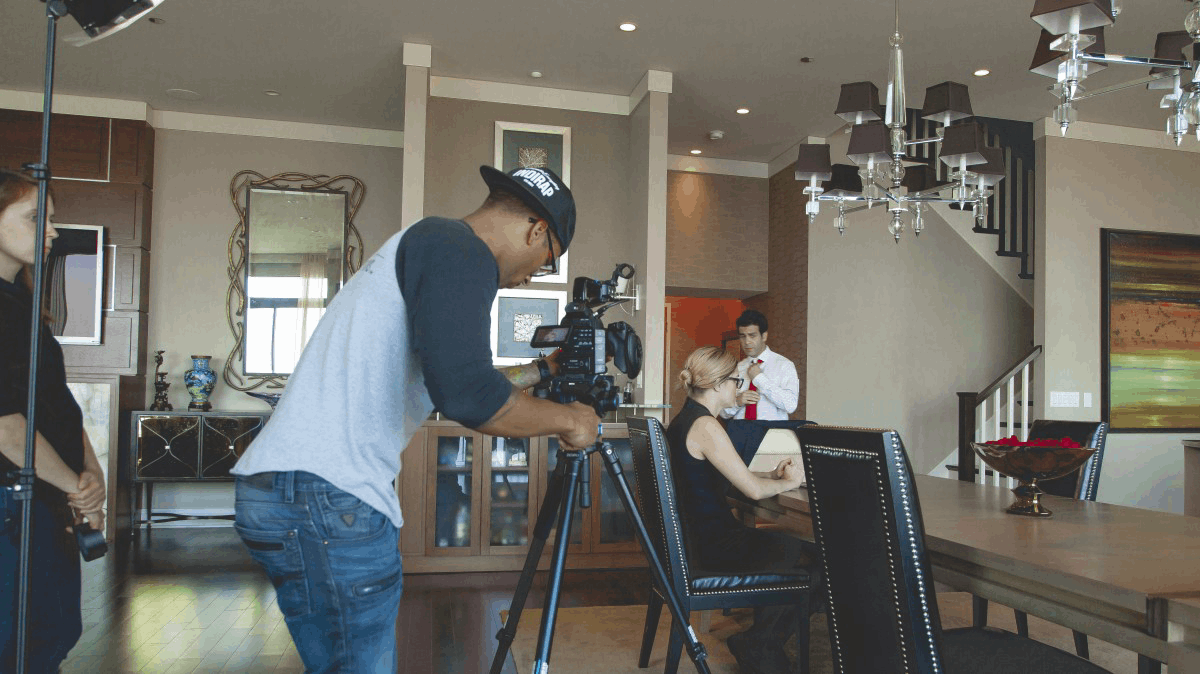
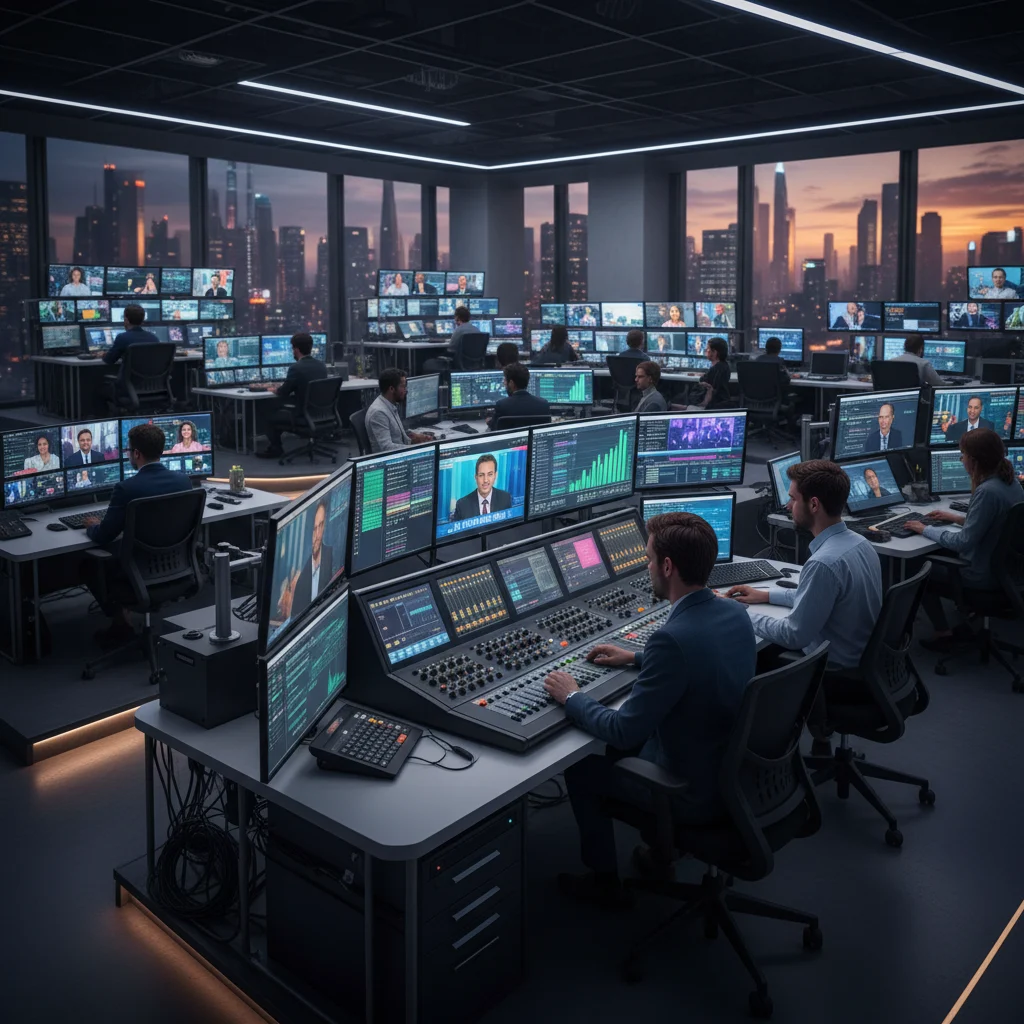
Behind the scenes, the operation is run like a high-growth tech startup. The studio, located in a quiet commercial pocket near Destin, Florida, features three distinct sets designed for different formats: a fast-paced daily news desk, a relaxed living-room setup for long-form interviews, and a high-tech war room for live election-night coverage. The physical layout is optimized for rapid-fire clip cutting, allowing editors to slice a live interview into dozens of TikTok, Instagram Reel, and YouTube Short clips within minutes of broadcast.
To run this operation, Gaetz has recruited a mix of veteran cable news producers who grew tired of corporate mandates and young, digital-native content creators who understand the algorithms better than any campaign manager. This hybrid team gives Firebrand Media a distinct advantage over traditional political campaigns, which often struggle to produce content that feels authentic to younger audiences.
Targeting the Primaries
The real battlefield for Firebrand Media is the 2026 Republican primaries. Gaetz has made no secret of his disdain for what he calls the “surrender caucus”—moderates and establishment figures who he believes stymie the populist movement. The network has reportedly compiled a target list of incumbent Republicans who will face aggressive, well-funded primary challenges from the right.
Some of the key targets include:
- Incumbent Republicans who voted for major bipartisan spending packages.
- Members of the House Appropriations and Rules committees who have resisted populist reforms.
- Swing-state moderates who have distanced themselves from the core tenets of the MAGA movement.
Rather than just endorsing rivals, Gaetz’s network will act as an in-house media agency for preferred insurgent candidates. These candidates will receive free airtime, professional media training, and direct access to Gaetz’s massive digital mailing list. In essence, Firebrand Media is acting as a shadow national committee, offering resources that rivals cannot match.
The Financial Engine
How is all of this being funded? Unlike traditional media companies that rely on corporate advertisers, Firebrand Media is built on a direct-to-consumer financial model. The network offers premium memberships, exclusive merchandise, and interactive town halls for paying subscribers. This insulates the company from corporate boycotts and advertiser pressure.
“If you rely on mainstream advertisers, they can shut you down overnight,” says Aaron Finch, a conservative digital media consultant not affiliated with the project. “Gaetz is smart to build a subscription-first model. It makes him bulletproof to external pressure. His audience is his employer, and that audience is incredibly loyal.”
Additionally, FEC filings reveal a network of allied political action committees (PACs) that are expected to coordinate heavy digital advertising buys with the network’s production arm. This blurring of the lines between media and political activism is a legal, highly effective way to maximize influence.
A Shifting Power Center
Gaetz’s move represents a larger trend in American politics. Power is migrating away from formal party structures and toward individual, decentralized media brands. Candidates no longer need the blessing of local party chairs if they have the backing of a major digital platform.
The coming months will test the limits of this new model. If Firebrand Media can successfully unseat even a handful of establishment Republicans in the 2026 primaries, it will cement Gaetz as one of the most powerful kingmakers in the conservative movement. If it fails, it may be dismissed as a highly produced vanity project. But for now, Gaetz is betting everything on the power of the screen.
CLICK HEARE TO GET FREE $100 IN AMAZON COMPANY
