

A Quiet End for the Butcher of Bosnia
Ratko Mladić is dead. The former military commander of the Bosnian Serb army, who was serving a life sentence for genocide and war crimes, passed away in a prison hospital in the Netherlands. For years, his family and lawyers tried to get him released to Serbia for medical treatment. The court in The Hague repeatedly turned them down. Now, his death has closed a physical chapter of history, but the wounds he left behind remain wide open.
The news of his passing immediately exposed the deep, lingering fault lines across the region. In Bosnia and Herzegovina, the reaction was a mix of quiet relief and painful recollection. Meanwhile, the political leadership in Serbia chose caution, keeping mostly silent. On the streets of Belgrade and other Serbian towns, though, it was a different story. Groups of supporters gathered on bridges and street corners, lighting flares and holding up banners to honor a man they still refuse to call a war criminal. It was a stark reminder of how polarized the region remains three decades after the guns fell silent.
Journalists who encountered Mladić during the war remember him as an imposing, uncompromising figure. BBC special correspondent Alan Little met him during the early stages of the Bosnian conflict. Little described the general as an incredibly dangerous fanatic, a man driven by a chilling conviction that brooked no compromise. That fanaticism eventually led to the worst atrocities on European soil since World War II.
The Legacy of Srebrenica Thirty Years On
The name Mladić will forever be tied to the July 1995 Srebrenica massacre, where more than 8,000 Bosniak men and boys were systematically murdered. Nearly thirty years later, the legal reckoning for that tragedy is staggering in scale. International and local courts in Bosnia, Serbia, and Croatia have convicted 54 people for their roles in the genocide and related atrocities. Together, those defendants received a combined 781 years in prison, alongside five life sentences.
The men who carried out his orders are mostly behind bars. Key military figures like Radislav Krstić, Zdravko Tolimir, Ljubiša Beara, and Vujadin Popović were all hunted down and convicted. Mladić himself spent years on the run. He managed to evade justice for over a decade by hiding in plain sight. Police finally tracked him down in May 2011. He was living in his cousin's modest house in the northern Serbian village of Lazarevo, near Zrenjanin. Within five days of his arrest, authorities put him on a plane to face trial at the International Criminal Tribunal for the former Yugoslavia.
Balkan Wildfires and Global Natural Disasters
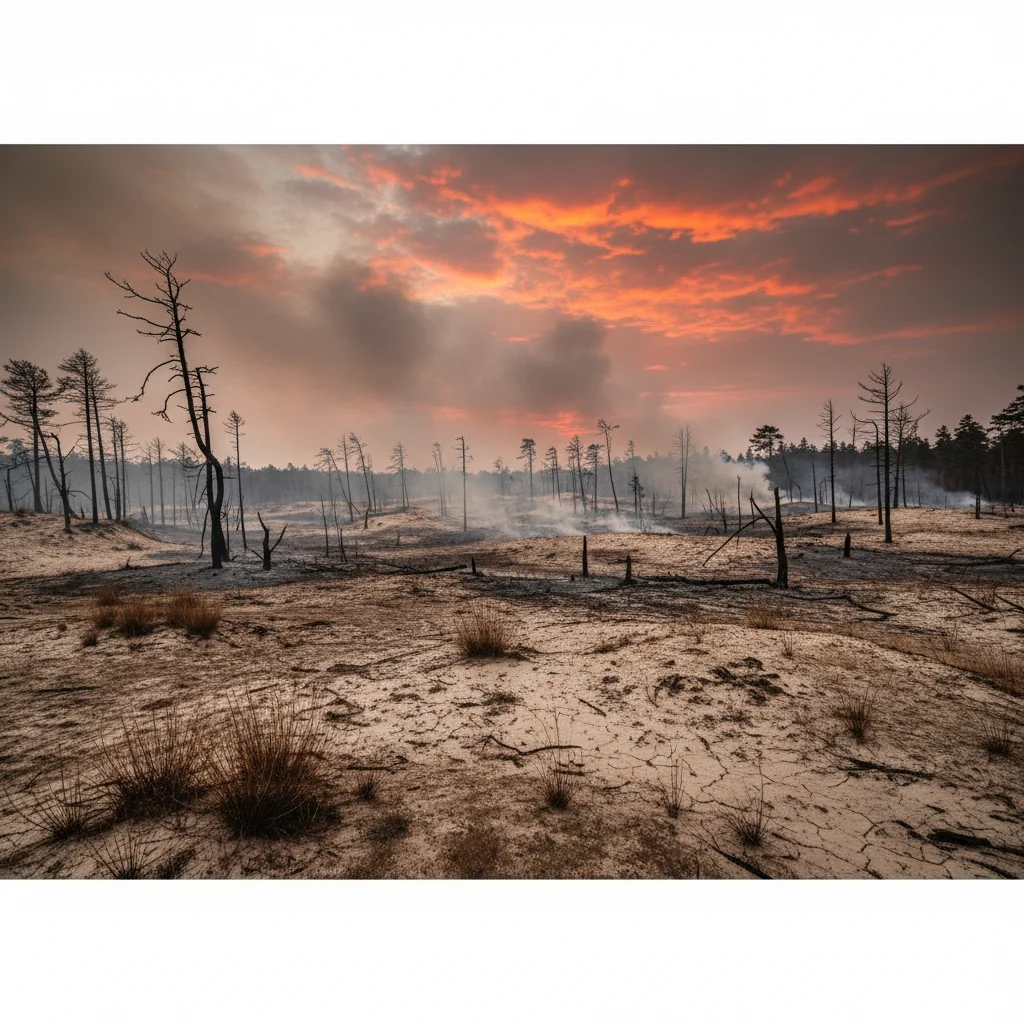
While the region wrestles with its past, current crises are unfolding on the ground. This summer, extreme weather has battered the Balkans. Wildfires have raged across the region, turning massive stretches of green forest into ash. According to data from the European Forest Fire Information System, more than 45,000 hectares of land went up in flames in August alone.
In Serbia, the situation in the Deliblatska Peščara nature reserve has been particularly terrifying. Local residents described the scene as living on top of an active volcano. Fires have been smoldering deep underground, suddenly bursting through the dry earth and catching firefighters off guard. The air in nearby villages has been thick with smoke for weeks, leaving locals desperate for rain.
The environmental crises extend far beyond the Balkans. In Asia, a devastating glacial collapse on the border of Nepal and Tibet triggered catastrophic flash floods. The raging waters and mudslides have claimed at least 472 lives. Rescue operations had to be suspended due to high risks on the Chinese border. Among the hundreds of missing foreign tourists is a Serbian citizen, whose family is still waiting for news as rescue workers dig through the thick mud.
A Landmark Ruling in Croatia
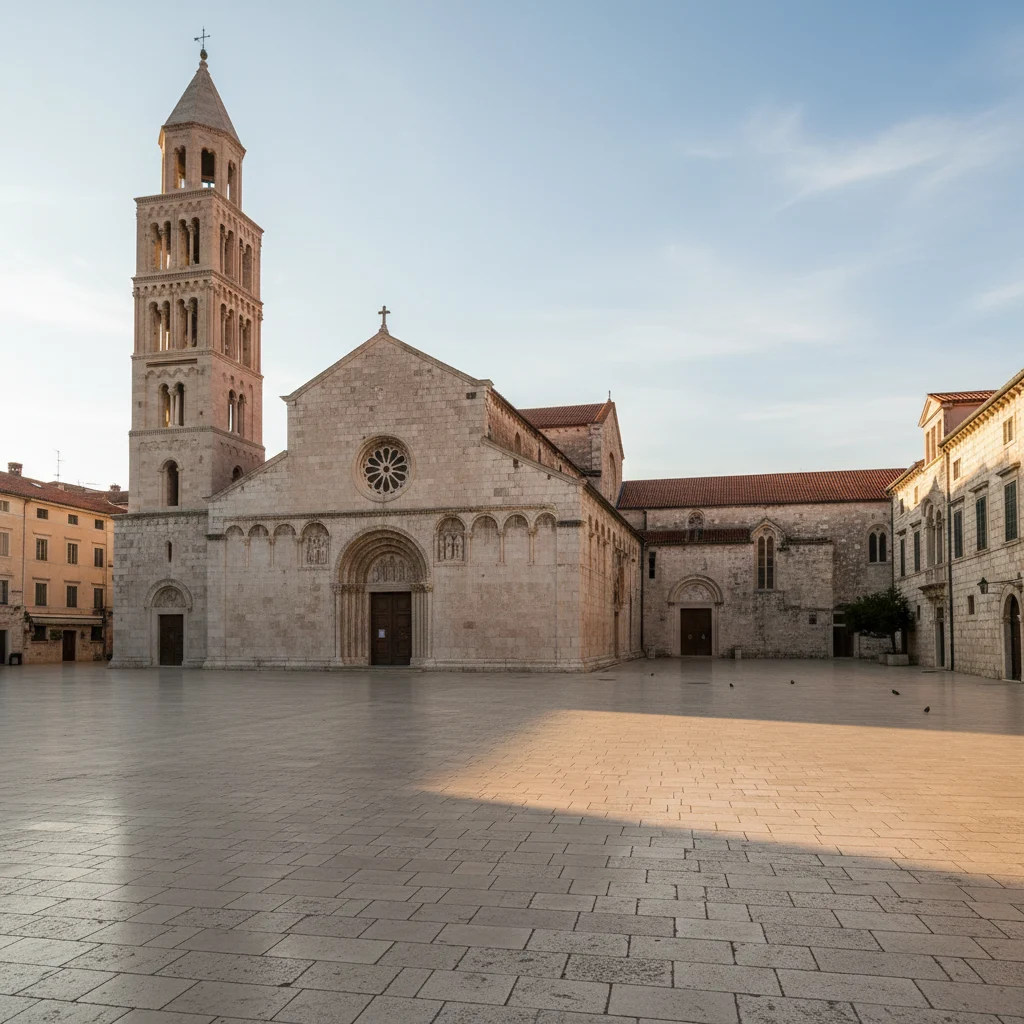
Further west, Croatia's legal system has delivered what many are calling a historic verdict. A court has ruled that a man from Split, who was sexually abused by a priest when he was just 15 years old, must be paid 20,000 euros in damages. The abuse took place at the St. Frane church in Split. This decision is being hailed as a major precedent in a country where the Catholic Church holds massive social and political influence. Legal experts believe this could open the door for many other survivors of clerical abuse to seek justice through civil courts.
Economic Pressures and Energy Deals
Back in Serbia, everyday life is getting harder as the new school year begins. Roughly 700,000 primary and secondary school students are heading back to their classrooms. For their parents, it is an incredibly stressful time of year. The cost of textbooks, notebooks, backpacks, and basic school supplies has surged, putting a heavy strain on household budgets. Many families are forced to take out loans just to prepare their children for the first day of September.
On the economic front, Serbia has managed to secure a brief breathing room regarding its energy supply. Dubravka Đedović-Handanović, the Minister of Mining and Energy, announced that the US Office of Foreign Assets Control has extended the operating license for the domestic oil company, NIS. This extension allows the company to continue importing and processing crude oil through September 30, avoiding a sudden energy crunch as autumn approaches.
The Loss of Global Icons
In cultural news, the world is mourning the passing of country music legend Dolly Parton. The iconic singer, songwriter, and actress died recently, leaving behind a massive musical legacy. Best known for timeless hits like "Jolene" and "I Will Always Love You," Parton was celebrated not just for her voice, but for her immense charity work and her down-to-earth personality.
Norway is also entering a new era following the death of King Harald. The monarch, who ruled for 35 years, was highly respected for modernizing the royal family. He famously broke royal tradition early in his life by insisting on marrying a commoner, a move that helped make the Norwegian monarchy one of the most popular and relatable in the world.

Omer Faruk
Omar Faruk is a digital content creator and online publisher passionate about sharing useful information, trending news, and practical guides for internet users. He focuses on creating engaging and easy-to-understand content related to global news, entertainment, technology, online earning, and lifestyle topics.
With a strong interest in digital media and SEO-friendly content writing, Omar Faruk continuously works to build informative platforms that help readers stay updated and make better online decisions.
He believes in delivering valuable, accurate, and user-friendly content that serves a global audience and improves everyday digital experiences.