
A Dangerous Turn Deep Inside the Mountain
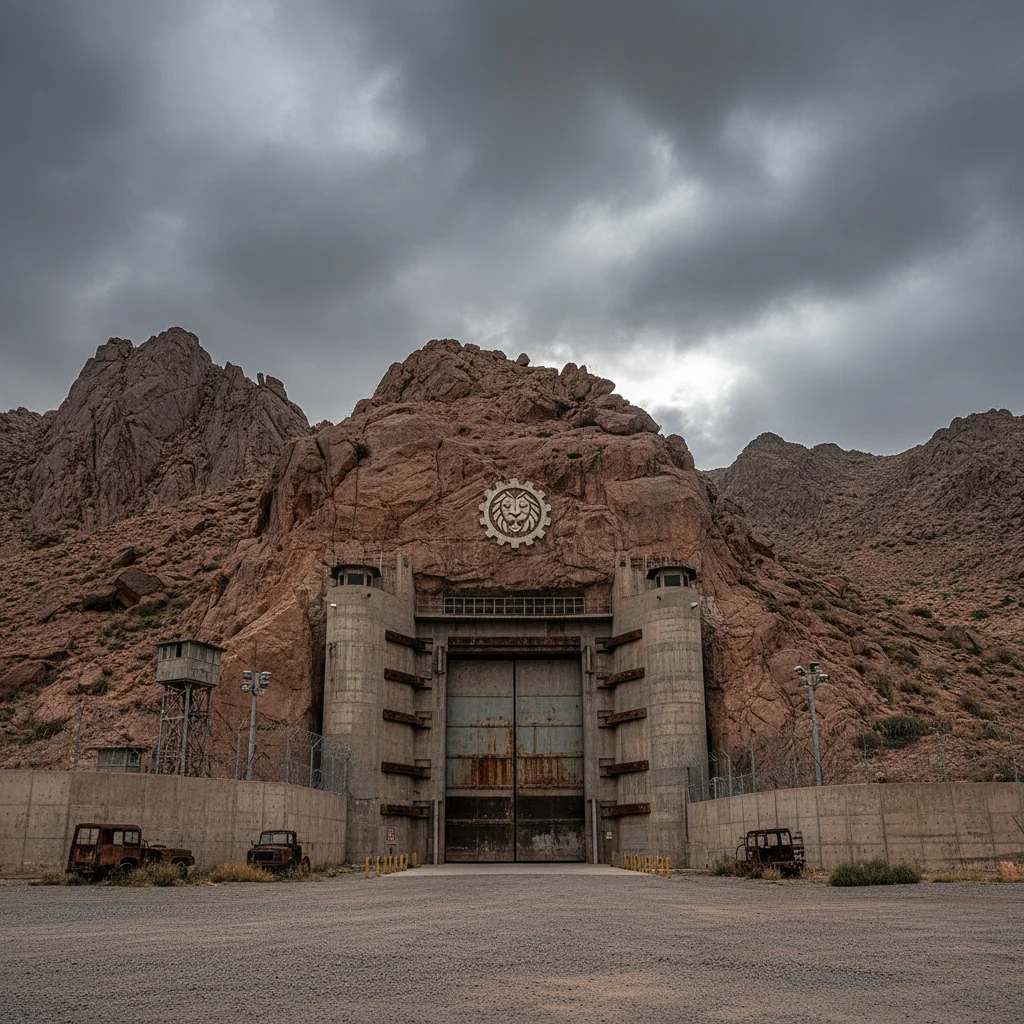
Deep inside a mountain shield near the holy city of Qom, the high-pitched whine of carbon-fiber cylinders is growing louder. Iran has begun installing cascades of its most advanced uranium-enrichment machines at the heavily fortified Fordow facility. This step is a direct challenge to Washington. It shreds a year of quiet, back-channel diplomacy designed to keep the Middle East from slipping into a wider conflict.
Thank you for reading this post, don't forget to subscribe!According to inspectors from the International Atomic Energy Agency (IAEA), Tehran is rapidly deploying IR-6 centrifuges. These machines are not the temperamental, first-generation models Iran started with decades ago. They are fast, highly efficient, and capable of pivoting to weapons-grade enrichment at a moment’s notice. By pushing these advanced machines into Fordow, an underground site virtually immune to conventional airstrikes, Iran has changed the math of regional deterrence.
The move has triggered immediate alarms in Washington and European capitals. For months, a fragile, unwritten understanding had held. Iran had agreed to cap its stockpile of highly enriched uranium and slow down its enrichment rates. In return, the US turned a blind eye to some Iranian oil exports and facilitated the release of frozen funds. That quiet truce is now dead.
The Math of the IR-6
To understand why Western intelligence agencies are panicked, you have to look at the machinery. The legacy IR-1 centrifuges, based on a stolen Dutch design from the 1970s, are slow and prone to breaking. The IR-6 is a different beast entirely. It spins roughly six times faster. This means Iran needs far fewer machines and much less space to produce the same amount of enriched material.
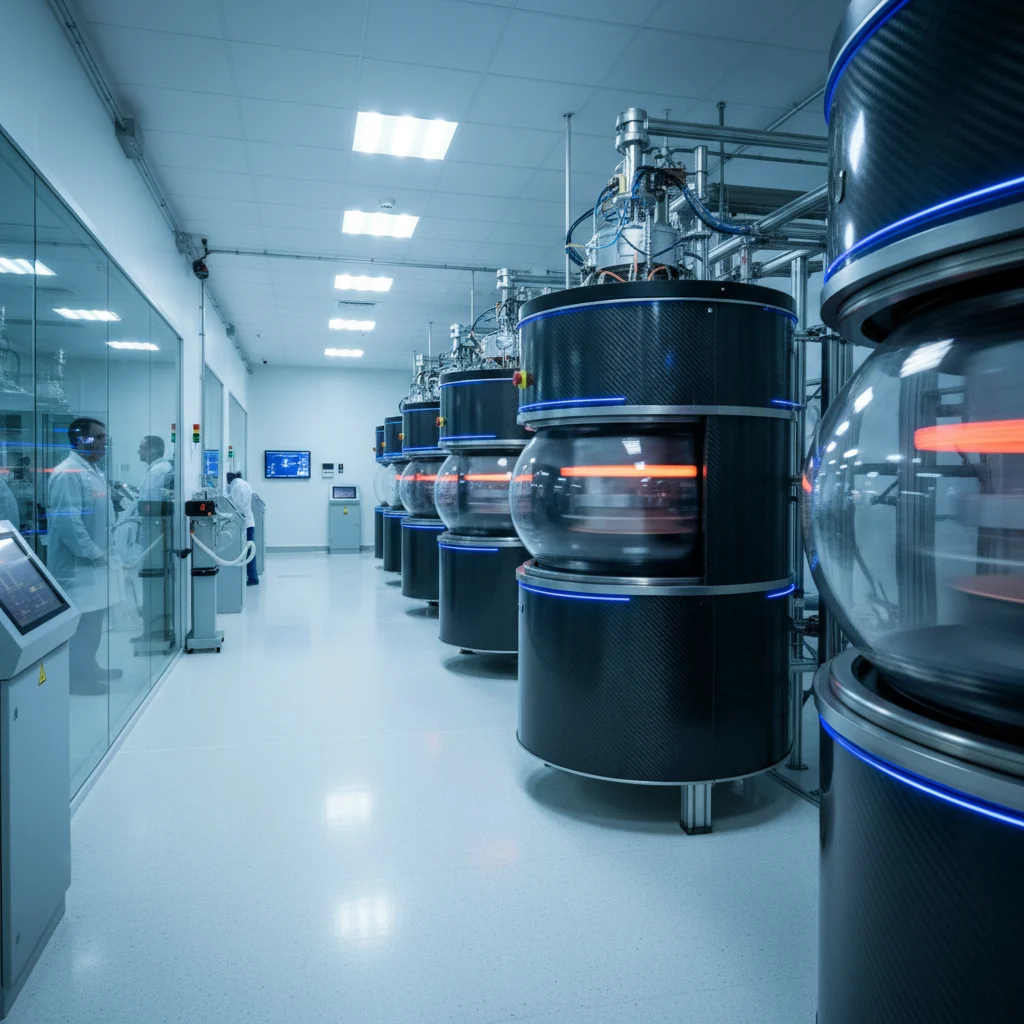
At Fordow, space is at a premium. Because the facility is carved deep into a mountain, it cannot easily be expanded. Putting IR-6 centrifuges there allows Iran to maximize the output of a small, heavily protected footprint. The goal is clear: to build a breakout capacity that can survive any pre-emptive military strike.
Currently, Iran is enriching uranium up to 60% purity. That is a short technical step away from the 90% required for a nuclear weapon. While Tehran maintains its program is purely peaceful, for medical research and energy, no other non-nuclear state enriches to this level. The scale and speed of the current deployment suggest a political decision to move right to the edge of the nuclear threshold.
Why Fordow Matters
Fordow is not just another industrial site. It is a strategic fortress. Built in secret and revealed by Western intelligence in 2009, the facility sits under dozens of meters of rock and concrete. It was designed specifically to withstand aerial bombardment.
During the negotiations for the 2015 nuclear deal, formally known as the JCPOA, Fordow was the biggest sticking point. The US wanted it shut down completely. Under the deal, Iran agreed to stop enriching uranium there and convert the site into a physics research center. But when the US walked away from the agreement in 2018 under the Trump administration, Iran slowly began bringing the centrifuges back. Today, the facility is once again the beating heart of Iran’s enrichment program.
The Death of the Informal Freeze
The sudden acceleration at Fordow did not happen in a vacuum. It is a calculated response to growing pressure from the West. For the past year, US and Iranian officials held quiet talks in Oman. The goal was simple: keep the nuclear issue on ice while the rest of the Middle East burned.
Under this informal agreement, Iran kept its enrichment levels stable and limited its stockpiles of 60% enriched uranium. But the diplomatic cover began to rot when the IAEA Board of Governors passed a resolution censuring Iran for its lack of cooperation with inspectors. Tehran reacted with predictable fury.
Within days of the censure, Iranian technicians began prepping the concrete pads at Fordow for the new IR-6 cascades. It was a classic Iranian counter-punch. Whenever the West increases diplomatic pressure, Tehran responds by turning the dials at its nuclear facilities, using its technical progress as leverage for the next round of talks.
A Shrinking Diplomatic Window
The White House now faces a narrowing corridor of options. The Biden administration has tried to avoid a major crisis with Iran, especially with US forces already under frequent attack from Iranian-backed militias in Iraq, Syria, and Yemen. But the deployment of IR-6s at Fordow makes a return to status-quo diplomacy almost impossible.
State Department officials have warned that Iran’s latest steps will meet a coordinated response, though they have not specified what that means. Sanctions are already at a saturation point; there are few Iranian entities left to target that are not already under US penalties. This leaves military deterrence and sabotage as the primary options on the table.
Israel, too, is watching Fordow with growing urgency. For years, Israeli planners have warned that once Iran moves enough advanced centrifuges underground, it will enter a “zone of immunity” where a military strike can no longer stop its progress. The deployment of the IR-6 cascade brings that moment dangerously close.
The Danger of Miscalculation
The immediate risk is not that Iran will build a bomb tomorrow. US intelligence still assesses that Iran’s supreme leader, Ayatollah Ali Khamenei, has not made the formal decision to weaponize the program. That process, which involves building a warhead and mounting it on a missile, would still take months, if not a year.
Instead, the danger lies in miscalculation. With regional tensions at an all-time high, a sudden jump in Iran’s nuclear capabilities could trigger a preventive strike from Israel, dragging the US into a regional war. Alternatively, Iran might misjudge Western resolve, thinking it can quietly cross the 90% threshold without triggering a military response.
For now, the centrifuges continue to spin under the mountain. Every day they run, Iran gains more material, more technical know-how, and more leverage. The informal agreements that kept the peace for the last year are gone, replaced by a tense, high-stakes standoff with no obvious exit ramp.
