
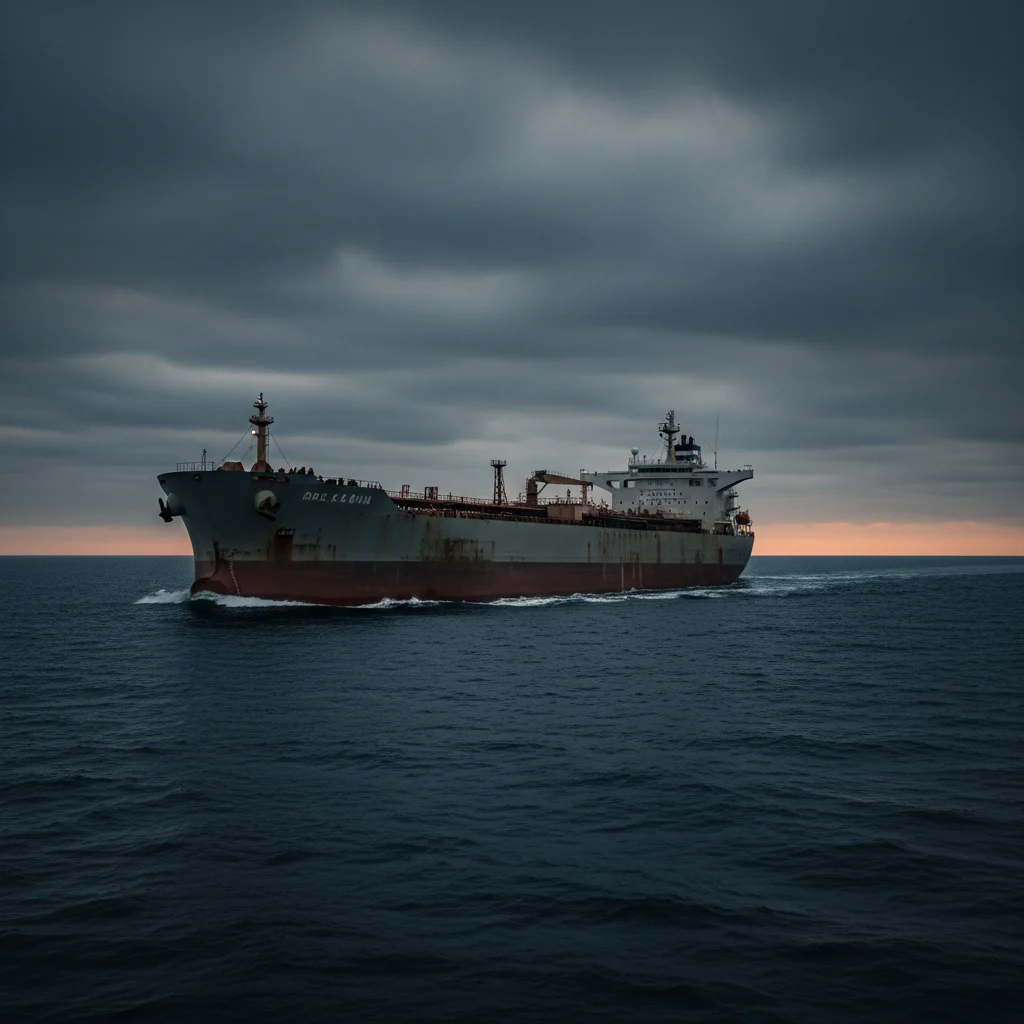
Washington has launched a major offensive against Iran’s maritime escape routes. In a coordinated move, the U.S. Department of the Treasury’s Office of Foreign Assets Control targeted a massive, sprawling web of shipping networks with sweeping sanctions. The focus of the crackdown is a ghost fleet of tankers, front companies, and maritime managers accused of smuggling Iranian crude to fund regional proxies. These operations keep militant groups like Yemen’s Houthis and Iran’s own Islamic Revolutionary Guard Corps-Quds Force flush with cash.
Thank you for reading this post, don't forget to subscribe!It is a high-stakes game of hide-and-seek played out across the Persian Gulf, the Gulf of Oman, and the Red Sea. For years, Tehran has relied on a labyrinth of shell companies to sell its oil abroad, circumventing Western blockades. This revenue does not build roads or schools. Instead, it pays for the drones, ballistic missiles, and intelligence assets that have turned the Red Sea into a shooting gallery for commercial shipping.
This latest round of blacklisting hits dozens of entities in multiple countries. At the heart of the illicit operation is the network of Sa’id al-Jamal, an Iran-backed financier who has long been a major target for Washington. His enterprise leverages dozens of vessels, brokers, and front offices stretching from the Middle East to East Asia. Treasury officials say these networks generate tens of millions of dollars by moving oil to foreign buyers, hiding the cargo’s origin through elaborate ship-to-ship transfers.
U.S. officials made their position clear. They noted that Iran continues to rely heavily on the illicit sale of oil and gas to fund its proxy network and sow instability. These sanctions are designed to dismantle the financial scaffolding that enables attacks on international shipping lanes. The warning to the global maritime industry is stark: if you touch Iranian oil, you lose access to the Western financial system.

Inside the Shadow Fleet’s Playbook
To understand how these networks operate, you have to look at the mechanics of maritime evasion. It is a highly coordinated dance of deception. Ships routinely turn off their Automatic Identification System transponders. In the industry, this is called going dark. They do it before entering waters near Iranian terminals or during covert ship-to-ship cargo transfers in the dead of night.
The Treasury identified several vessels using these exact tactics. These tankers fly under flags of convenience from countries like Panama, Gabon, or the Cook Islands. Historically, these registries have had less stringent regulatory oversight. Many of these vessels are aging, poorly maintained, and uninsured. Beyond the obvious security threat, they present a massive environmental hazard to the fragile ecosystems of the Persian Gulf and the Red Sea. A major oil spill from one of these ghost tankers would be catastrophic.
The shell companies managing these operations are designed to be disposable. They exist only on paper, registered in jurisdictions with loose disclosure laws. When regulators blacklist one company, another immediately takes its place. This creates a constant game of whack-a-mole. This time, however, the Treasury is targeting the service providers, ship captains, and maritime registries that make the trade possible in the first place.
The Financial Lifeline for Regional Proxies
The geopolitical stakes could not be higher. Over the past year, Houthi rebels in Yemen have launched dozens of drone and missile attacks against commercial vessels transiting the Bab al-Mandab Strait and the Red Sea. They claim these attacks are in solidarity with Palestinians. However, the weaponry used in these strikes is overwhelmingly of Iranian origin, delivered via smuggling routes funded by the very oil networks targeted in these sanctions.

The IRGC-QF orchestrates these transfers. By utilizing the Sa’id al-Jamal network, the group bypasses official banking channels. The cash generated from illicit oil sales is often converted into physical currencies or laundered through complex networks of exchange houses in third countries before reaching Yemen. This funding has allowed the Houthis to sustain an expensive, high-tech campaign against global shipping. It has forced major maritime carriers to bypass the Suez Canal entirely, opting instead for the longer, more expensive route around the southern tip of Africa.
Cutting Off the Middlemen
The U.S. strategy is not just about naming ships. It is about rendering them useless. By placing these tankers on the Specially Designated Nationals list, Washington effectively locks them out of international maritime services. No reputable port will allow them to dock. No maritime insurer will cover them. No classification society will certify them as seaworthy.
This round of sanctions specifically targeted key intermediaries based in the United Arab Emirates and several East Asian maritime hubs. These brokers secured flags of convenience for the sanctioned tankers and facilitated the transfer of funds. By cutting off these crucial middlemen, the Treasury aims to make the logistics of smuggling prohibitively expensive and logistically nightmarish for Tehran.
The Enforcement Challenge
While the U.S. measures are sweeping, enforcement remains an uphill battle. The high margins of the illicit oil trade mean there will always be players willing to take the risk. For a struggling shipping operator, the massive payouts offered by Iranian networks can be hard to resist. On top of that, some purchasing nations, particularly those looking for heavily discounted energy resources, are more than willing to look the other way regarding the legal and environmental risks of shadow-fleet oil.
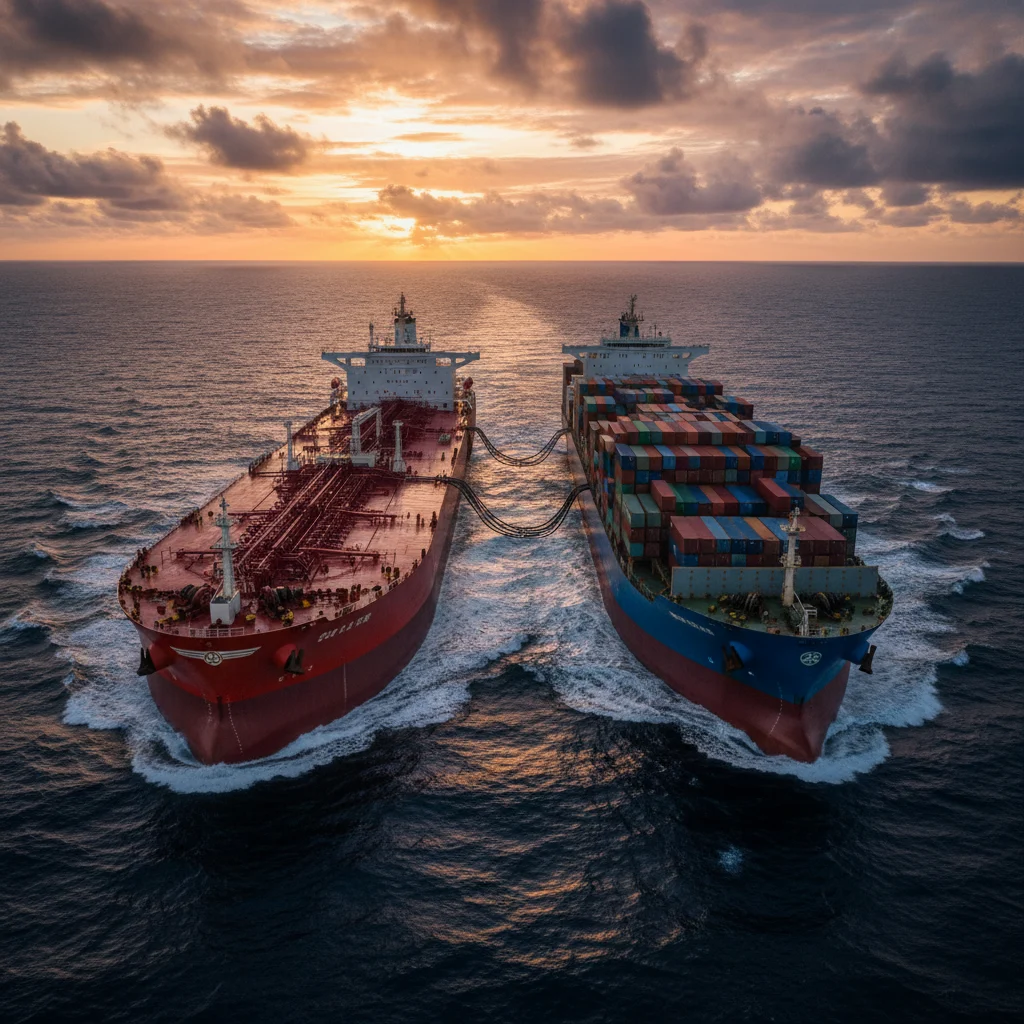
To combat this, the U.S. is working closely with international allies to put pressure on flag states. The goal is to force maritime registries to de-flag vessels suspected of sanctions evasion. When a ship loses its registry, it becomes stateless, making it far easier for international authorities to detain or turn away.
The Broader Geopolitical Fallout
These sanctions come at a moment of extreme tension in the Middle East. The U.S. and its allies are trying to restore deterrence in the Red Sea while preventing a wider regional war. By hitting Iran’s financial arteries, Washington hopes to degrade the capabilities of Tehran’s proxies without resorting to direct military escalation.
Yet, critics argue that sanctions alone are not enough. Some maritime security experts suggest that as long as the underlying demand for cheap oil exists, the shadow fleet will continue to adapt. They call for more aggressive physical enforcement, including boarding and impounding vessels suspected of violating international law in international waters.
For now, the economic pressure campaign remains Washington’s primary weapon. By exposing the hidden networks keeping the Persian Gulf’s shadow economy afloat, the U.S. is signaling that the era of turning a blind eye to maritime smuggling is over. The coming months will show whether these financial blockades can truly quiet the volatile waters of the Middle East.
