
The Echoes of a Massive Blast
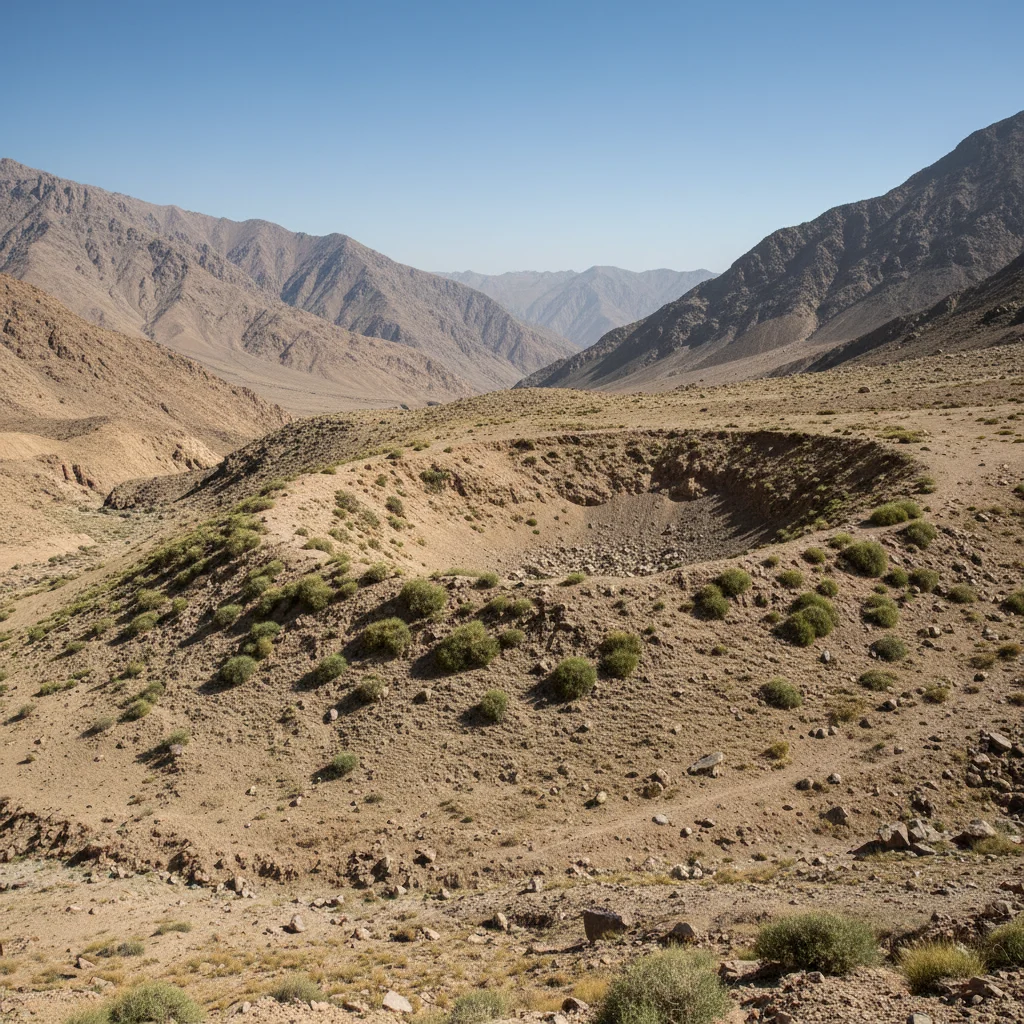
It was the loudest sound the mountains of Nangarhar had ever heard. On April 13, 2017, the US military dropped a 21,600-pound GBU-43/B Massive Ordnance Air Blast bomb in the Achin district of eastern Afghanistan. Nicknamed the "Mother of All Bombs," or MOAB, it was the largest non-nuclear weapon ever used in combat. The target was a network of caves used by the Islamic State. While the military immediate aftermath was heavily reported, the deep environmental scars left in the valley were largely ignored.
For years, the area remained a quiet zone of exclusion. Now, a comprehensive new scientific assessment reveals just how deep those scars ran—and the agonizingly slow pace of nature’s return to this battered terrain.
A team of independent Afghan and international environmental researchers recently managed to publish a multi-year study on the blast site’s recovery. Their findings paint a sobering picture. The report shows that a single moment of modern warfare can disrupt a local ecosystem for decades.
A Sterilized Epicenter
At the center of the blast, the heat was so intense it fundamentally changed the soil. The weapon, designed to detonate just above the ground to maximize its blast radius, created a massive fireball that consumed all oxygen and baked the earth below.
Researchers who analyzed soil samples from the inner crater found that organic matter was entirely wiped out down to a depth of nearly three feet. The heat literally melted surface minerals into a glass-like crust, sealing the ground.
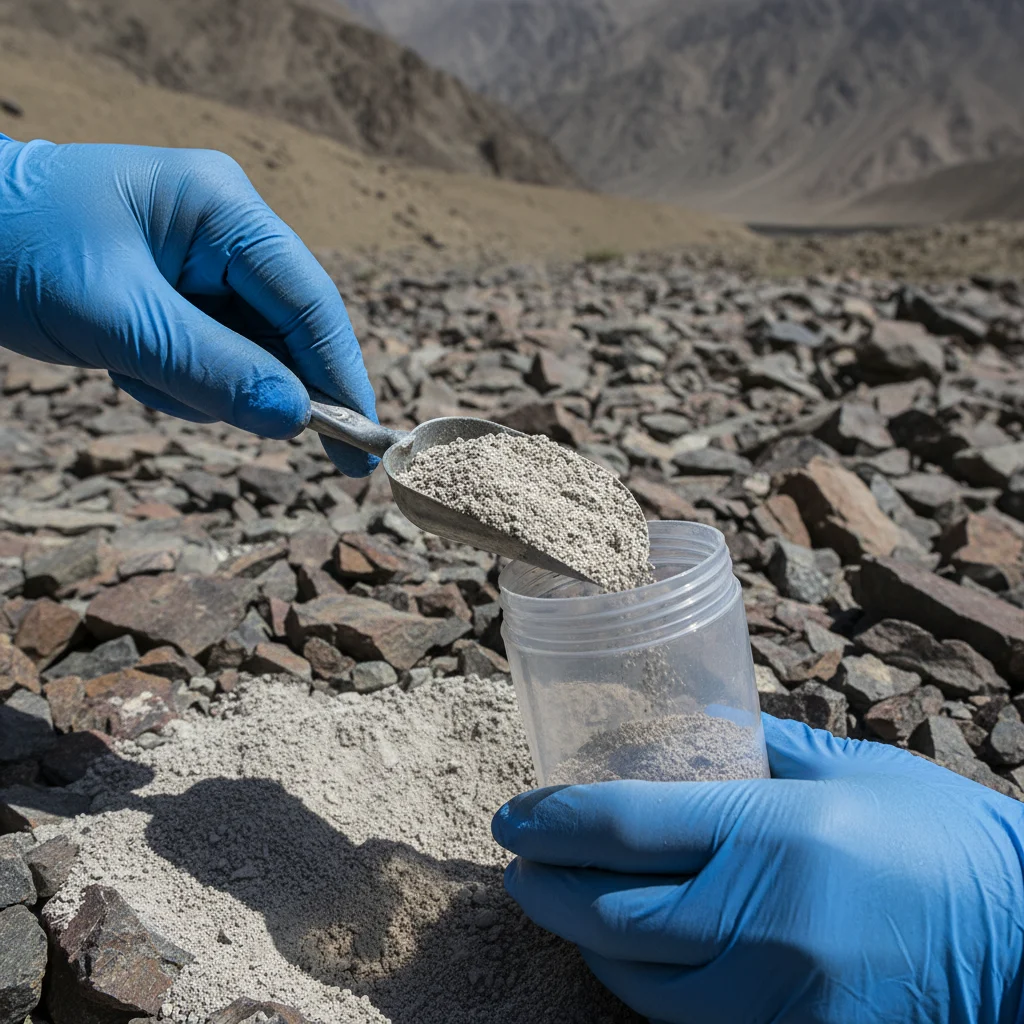
"The soil was essentially sterilized," says Dr. Farid Homayoun, a Kabul-born soil scientist who contributed to the study. "In the first three years, nothing could grow there. It wasn’t just that the plants were gone. The microscopic life, the bacteria and fungi that make soil fertile, had been completely cooked."
Compounding the heat damage was the physical force of the weapon. The blast wave compacted the ground into a dense, concrete-like layer. When seasonal rains finally arrived, the water could not penetrate the soil. Instead, it ran off the surface, causing severe erosion and carving deep gullies down the mountain slopes.
Shattered Springs and Contaminated Water
The damage went far deeper than the surface of the earth. The MOAB was designed to send a massive shockwave into the ground to collapse deep cave systems. That same pressure wave shattered the fragile underground aquifers that local villagers relied on for survival.
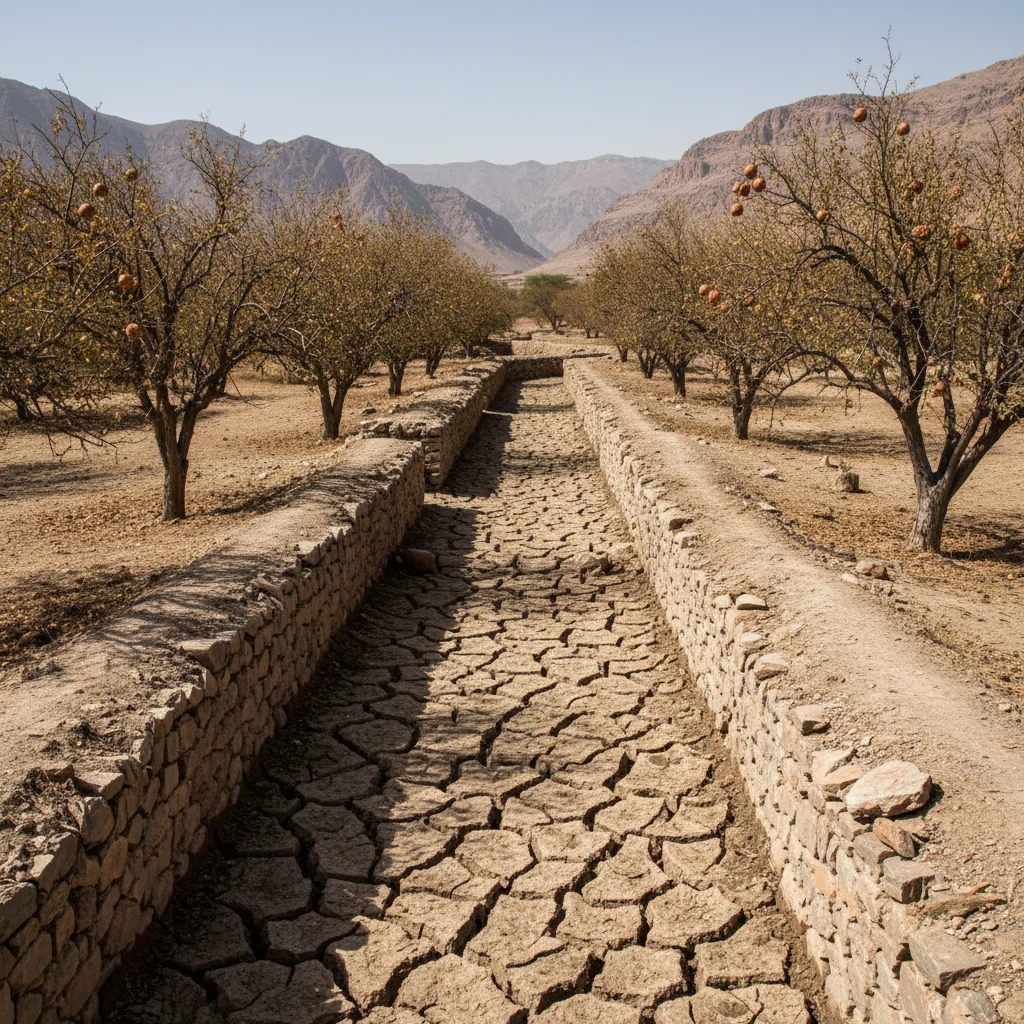
In this arid region of Afghanistan, farming depends on ancient irrigation systems called karez. These hand-dug underground channels tap into mountain water tables. The shockwave from the 2017 blast collapsed these delicate tunnels.
- Natural mountain springs dried up overnight.
- Irrigation pathways were blocked by shifted rock formations.
- Local pomegranate and walnut orchards withered from a lack of water.
Water quality also plummeted. The research team detected elevated levels of toxic residues in local wells. Compounds linked to the bomb’s explosives and aluminum powder binding agents had leached into the shallow water table. While these levels have diluted over the years, they remained unsafe for human consumption for nearly five years after the strike.
The Long Journey Back
Yet, nature is stubborn. Around five years after the explosion, researchers noticed the first real signs of resilience. Hardy pioneer plants began to appear. Wild mustard and tough native desert grasses started growing in the outer cracks of the crater rim.
These plants are the frontline of recovery. Their roots slowly break up the compacted soil, allowing air and moisture to seep back in. As they die and decompose, they slowly rebuild the organic layer that was lost in the flash of the explosion.
Wildlife is also making a cautious return. Villagers in Achin report hearing birds in the valley again, a sound that had vanished for years. Small lizards and mountain rodents have been spotted burrowing near the outer edges of the blast zone, though the absolute center remains mostly barren.
The Difficulty of the Research
Getting this data was a massive challenge. Following the political shifts in Kabul in 2021, international funding for environmental projects dried up. Fieldwork became highly dangerous due to lingering unexploded ordnance and regional instability.
To get the job done, scientists had to work quietly. They often relied on local community members to collect soil and water samples. These locals took risks to gather specimens, driven by a desire to know if their land was safe to farm again. It was a slow, quiet effort. But it worked.
"This wasn’t just a brief disturbance," says Dr. Elena Rostova, a restoration ecologist who reviewed the study’s data. "This was a mechanical and chemical shock that rewrote the geography of the valley. You cannot simply wait a few seasons and expect things to go back to normal. The recovery here will be measured in generations, not years."
