
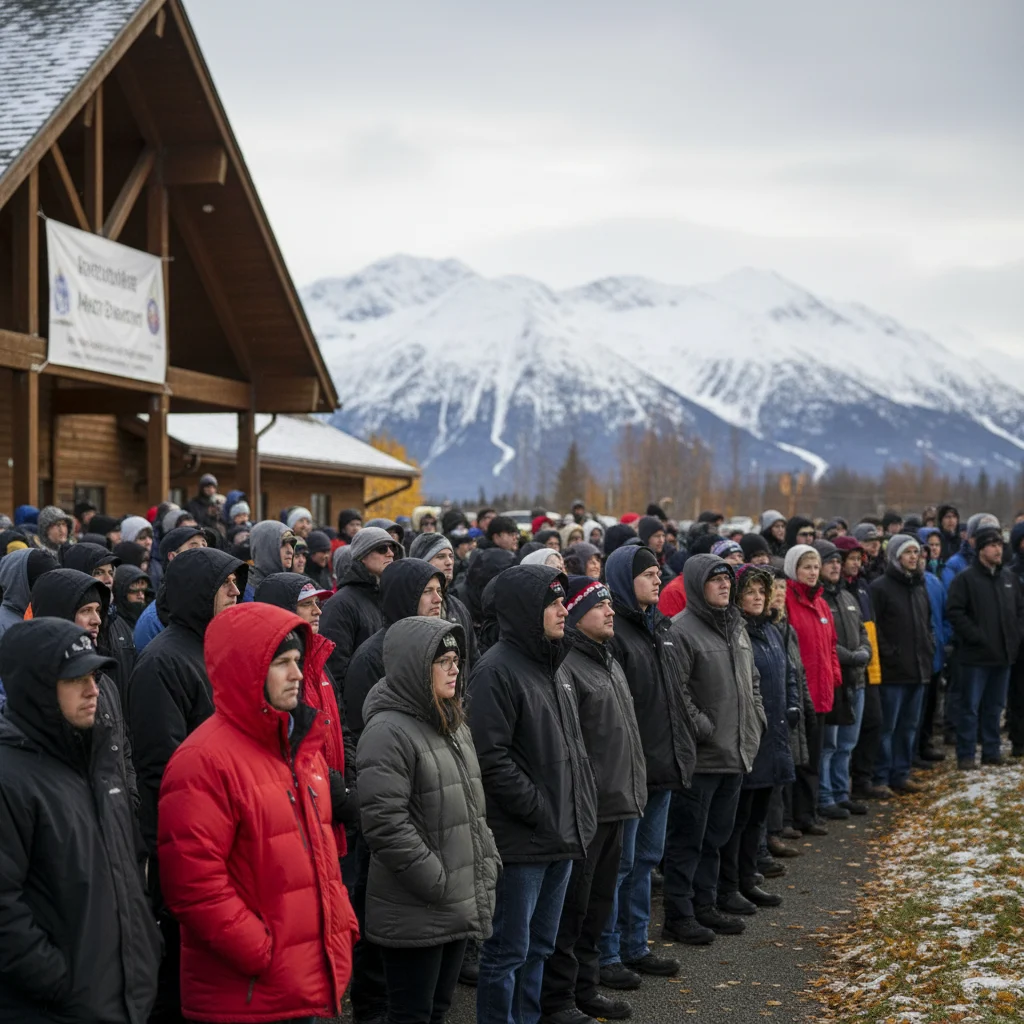
Alaska is preparing for a major political shift. This weekend, the candidates running to succeed term-limited Republican Governor Mike Dunleavy are hitting the trail for one last, frantic sprint. But this is not a typical finish-line scramble. Because of Alaska’s unique ranked-choice voting system, the final days of the campaign look very different than they do in the rest of the country.
Instead of just begging for first-place votes, candidates are actively courting their rivals’ bases. They are asking to be ranked second.
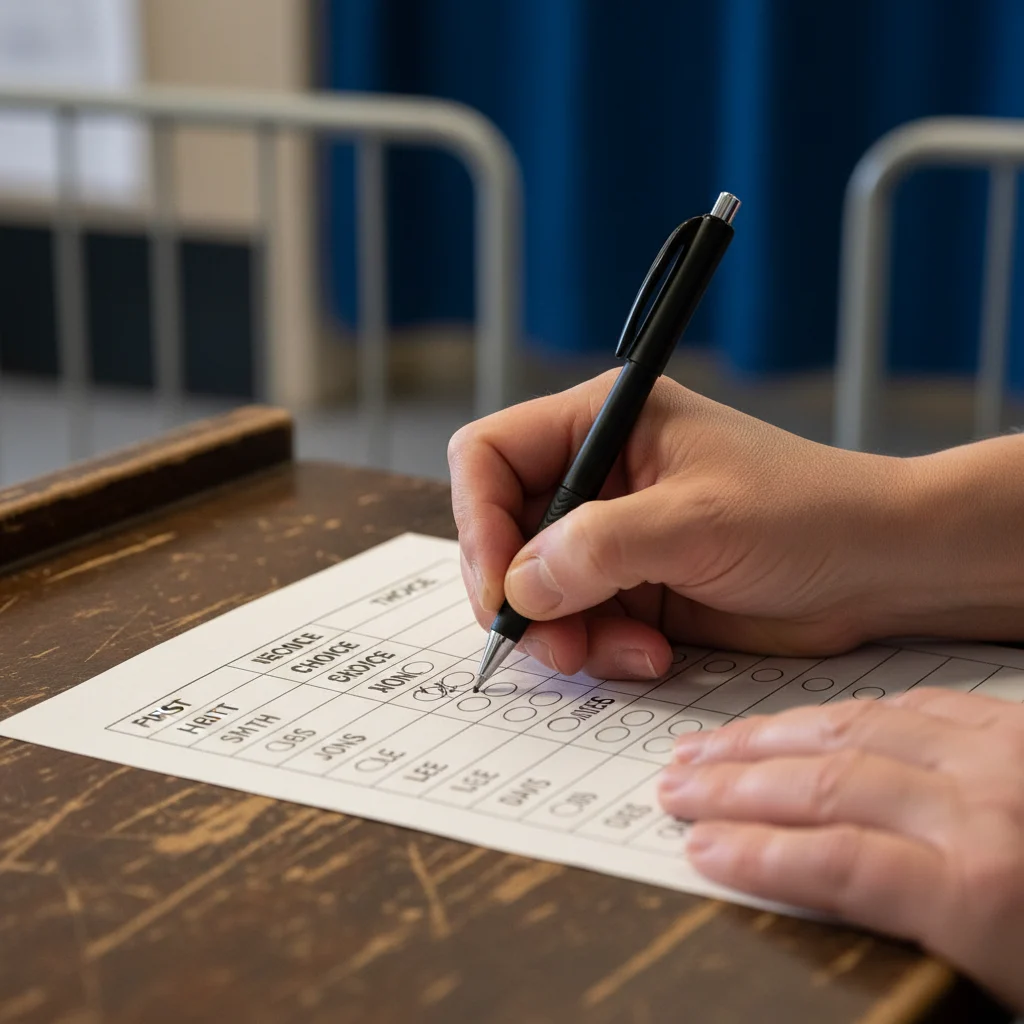
Under the state’s system, voters do not just choose one candidate. Instead, they rank up to four contenders in order of preference. If no one secures an outright majority of more than 50% in the first count, the candidate with the fewest votes is eliminated. Those voters’ ballots are then redistributed to their second-choice candidates. This process repeats until someone crosses the finish line. The math changes everything. It forces bitter rivals to play nice, or at least play smart.
The New Rules of the Trail
Political analysts say the system completely rewrites the campaign playbook. In a standard election, candidates often launch sharp attacks to damage their opponents. In a ranked-choice system, that strategy can backfire. If you alienate a rival’s supporters too deeply, they simply will not rank you second, which can be a fatal mistake in a tight race.
This dynamic has turned the final weekend into a strategic puzzle. The main contenders include conservative frontrunner Kelly T-shibaka, progressive Democrat Les Gara, and independent former Governor Bill Walker. Each is trying to thread a very narrow needle.
For T-shibaka, the task is consolidating the conservative base while convincing moderate Republicans that she is a safe bet. Gara is working to lock down progressive voters in urban hubs, hoping to pick up second-choice votes from Walker’s moderate supporters. Walker, meanwhile, is positioning himself as the ultimate consensus candidate—the second choice for voters on both the left and the right.
Crisscrossing a Massive State
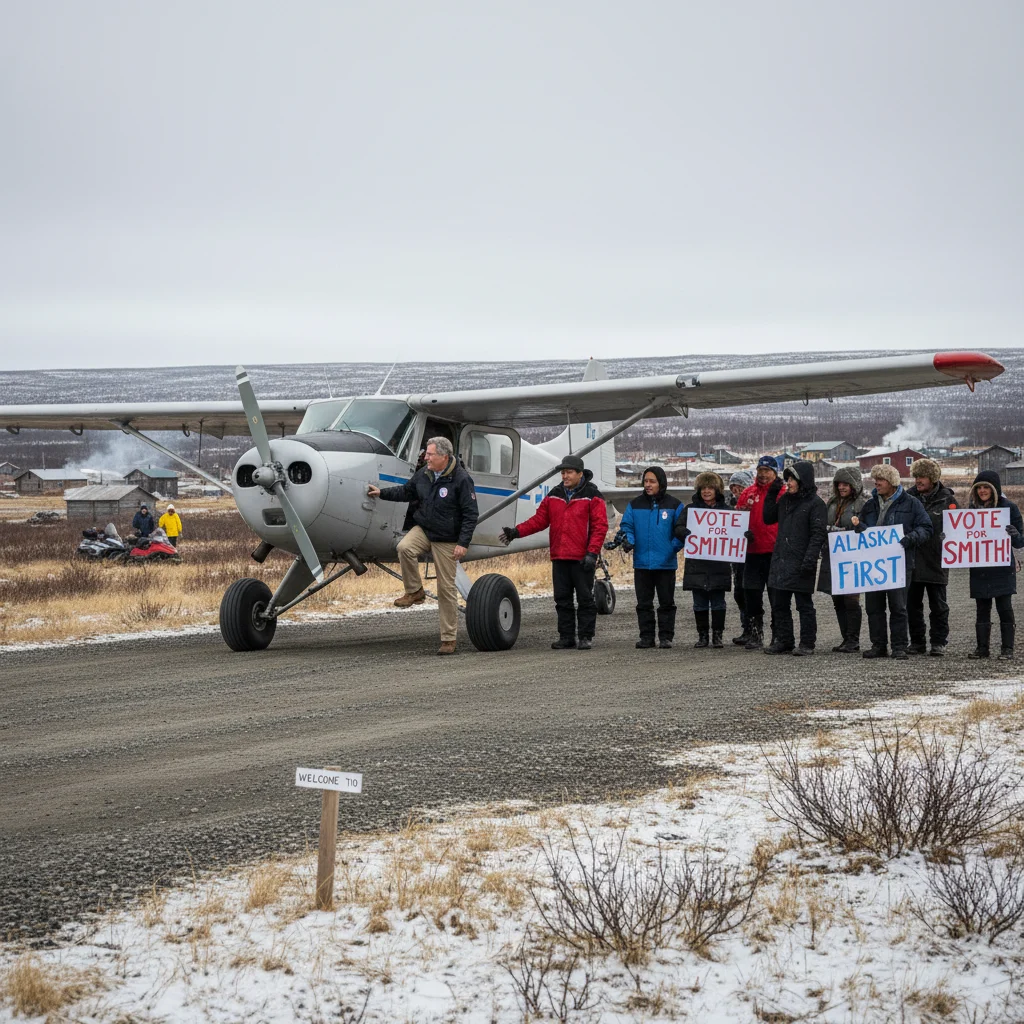
The logistics of campaigning in Alaska make the final days grueling. Candidates cannot just hop on a bus and drive to the next town. Over the last 48 hours, campaigns have relied on small bush planes to reach remote, off-road communities from Kotzebue to the Kenai Peninsula.
On Friday, Gara was in Bethel, meeting with rural leaders and talking about education funding. He emphasized that rural Alaskans deserve to know they are not an afterthought. In this election, every single vote, and every second-choice vote, will decide the future of local schools and the economy.
T-shibaka spent her Friday evening at a packed town hall in the Matanuska-Susitna Valley, a conservative stronghold north of Anchorage. She focused heavily on the cost of living, resource development, and state spending. She urged her supporters to rank her first, but also reminded them not to leave their second-choice slots blank on the ballot.
Meanwhile, Walker has been walking a middle path, pitching stability and compromise. His campaign believes that in a highly polarized environment, being the most acceptable second choice is the cleanest path to victory.
The Policy Battles at Play
Beyond the campaign strategies, the stakes for the November 3 election are incredibly high. Alaska faces major long-term challenges. The state’s economy remains deeply tied to oil and gas, and debates over how to manage the multi-billion-dollar Permanent Fund Dividend (PFD) continue to dominate state politics. The PFD, a yearly check paid out to Alaska residents from state oil wealth, remains a highly volatile issue.
T-shibaka has promised to protect and maximize the dividend. Gara and Walker argue that the state must balance the dividend with vital funding for public schools, marine highways, and crumbling infrastructure.
Then there is the physical reality of the state itself. Climate change is eroding coastal villages, and energy costs in rural Alaska remain among the highest in the nation. Voters are looking for practical answers, not just partisan talking points.
The Waiting Game
Turnout will be the deciding factor. Alaskans have already been voting early in significant numbers. But election officials warn that the public might not know the winner on election night.
Because of the time it takes for mail-in ballots to arrive from remote villages, the final tabulation of ranked-choice votes is scheduled to take place weeks after November 3. If no candidate wins a clear majority of first-place votes on Tuesday night, the state will have to wait until all ballots are in before triggering the computer program that redistributes the second- and third-place votes.
For the candidates, the waiting will be the hardest part. For now, they are focused on the immediate task: logging hours on frosty tarmacs, shaking hands in community centers, and reminding voters that every rank matters.
