
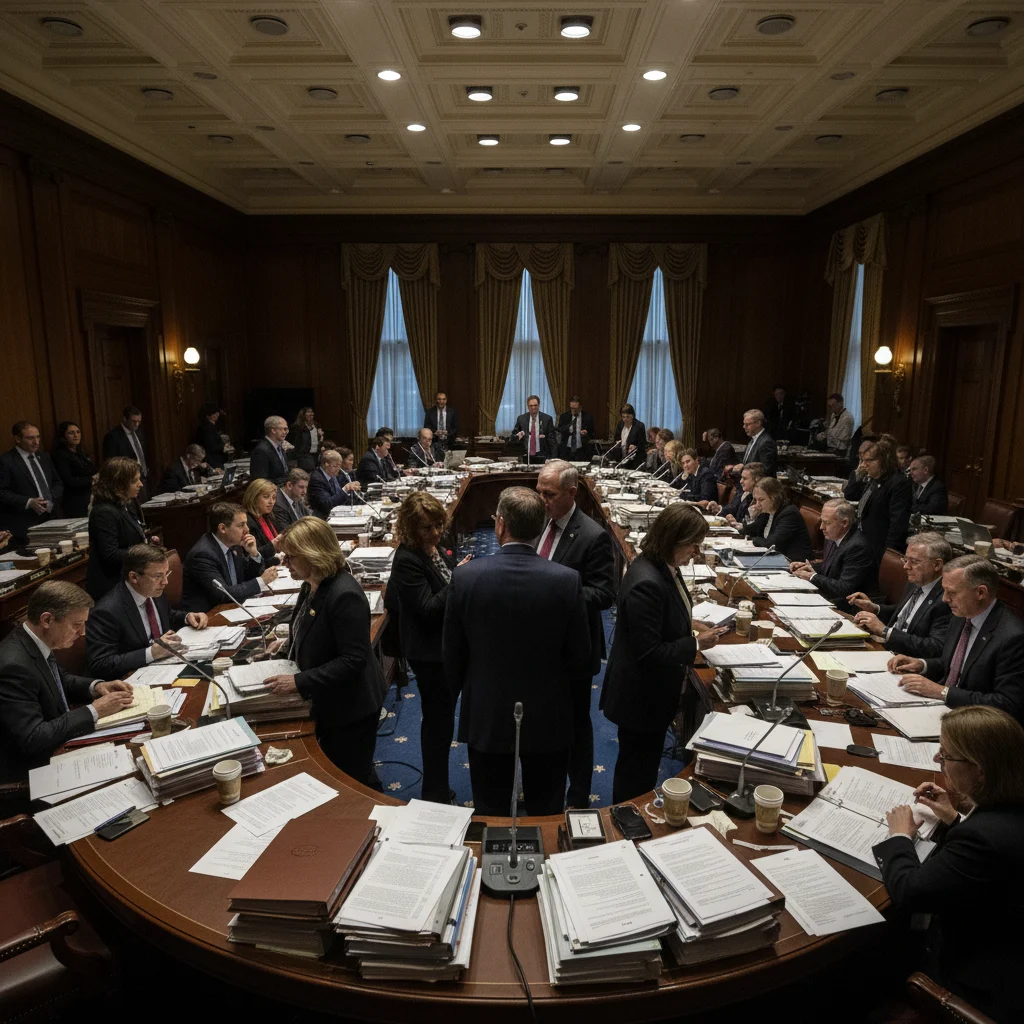
The hallways of the Capitol are quieter now that the midterm elections are over, but behind closed doors, a frantic rescue mission is underway. Lawmakers have only a few weeks left in this lame-duck session to negotiate, draft, and pass a massive, five-year Farm Bill. If they fail, the clock resets. A newly elected, deeply divided Congress will take the reins in January 2027, forcing agriculture policy back to square one.
Thank you for reading this post, don't forget to subscribe!For America’s agricultural sector, the stakes are incredibly high. Farmers are currently operating under a patchwork of temporary extensions. They face a perfect storm of falling crop prices, high interest rates, and soaring equipment costs. They need certainty. But to get a deal done now, negotiators must bridge a bitter, multi-billion-dollar chasm between urban Democrats and rural Republicans.
The Lame-Duck Pressure Cooker
Passing a Farm Bill is always a monumental task. The legislation, which typically expires every five years, is a sprawling package. It funds everything from crop insurance and soil conservation to rural broadband and the food stamp program, officially known as the Supplemental Nutrition Assistance Program (SNAP). The current legislative cycle has been plagued by gridlock, dragging on far past its original 2023 deadline.
Now, time is the enemy. Retiring lawmakers want to secure their legacies before packing their bags. Meanwhile, party leaders know that waiting until 2027 means dealing with fresh committee rosters and unpredictable political dynamics. The math is simple, but the politics are brutal.
“We have a window right now, and it is closing fast,” says Representative Glenn “GT” Thompson, the Pennsylvania Republican who chairs the House Agriculture Committee. Thompson has spent months trying to rally support for a bill that boosts the safety net for farmers. But to get it through the Senate, he needs Democratic buy-in. “If we do not get this done before January, we are looking at another year of painful uncertainty for the people who feed this country.”
The Three Big Stumbling Blocks
Three major policy fights have stalled negotiations for over a year. The first, and most politically charged, involves the nation’s nutrition safety net. SNAP benefits account for roughly 80% of the Farm Bill’s total spending. Republicans have pushed to restrict future updates to the Thrifty Food Plan, the economic model used to calculate benefit levels. They argue the move would save billions of dollars. Democrats have drawn a hard line in the sand, calling any effort to curb future food assistance a non-starter.
The second battleground is climate funding. The 2022 Inflation Reduction Act injected tens of billions of dollars into USDA conservation programs, specifically earmarked for “climate-smart” agricultural practices. Republicans want to fold that money into the permanent Farm Bill conservation baseline, but they want to strip away the climate-only rules. They argue that farmers should have the flexibility to use those funds for traditional soil and water conservation, regardless of carbon-reduction metrics. Democrats, led by outgoing Senate Agriculture Chairwoman Debbie Stabenow of Michigan, insist that the climate guardrails must remain intact.
The third dispute is over commodity reference prices. These are the price triggers that determine when farmers receive federal assistance during market downturns. Southern farmers, who grow high-cost crops like cotton and rice, are desperate for a significant increase in these reference prices. Midwestern corn and soybean growers also want a boost, though their financial margins are slightly different. But raising these safety net triggers costs money—money that negotiators are struggling to find without cutting conservation or nutrition programs.
The Real-World Cost of Delay
While Washington bickers over budget baselines, the financial pain in rural America is worsening. Farm income is projected to drop significantly this year. Equipment dealers are reporting slower sales, and rural banks are tightening lending standards. Without a long-term Farm Bill, farmers struggle to secure the multi-year operating loans they need to buy seeds, fertilizer, and diesel for the upcoming spring planting season.
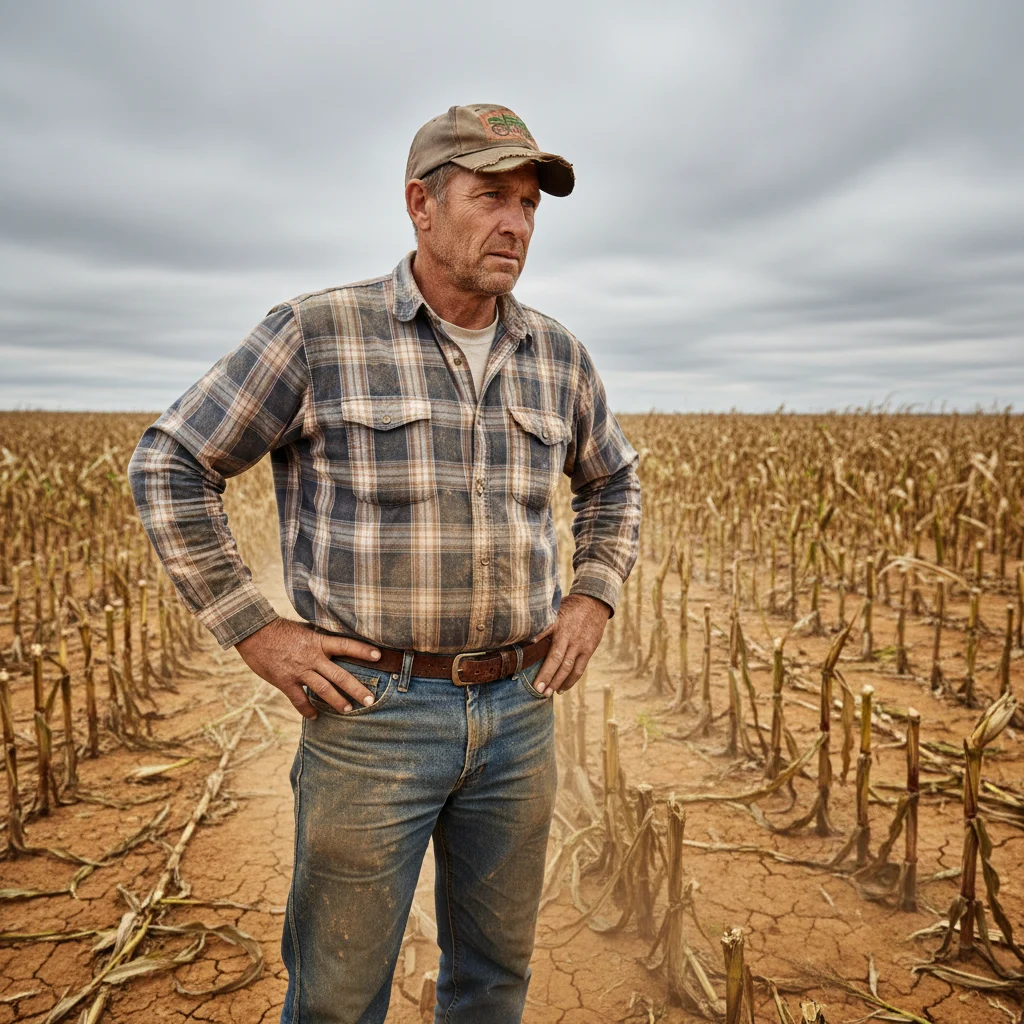
“An extension is not enough anymore,” says John Weber, a grain farmer from central Iowa. Weber says his operating costs have jumped nearly 30% over the last four years, while grain prices have plummeted. “A one-year extension just kicks the can down the road. It does not help me sit down with my banker and plan for the next five years. We need a bill, and we need it now.”
Agricultural lenders are also feeling the squeeze. Many are hesitant to approve loans based on outdated safety net programs that do not reflect today’s high-inflation reality. If a deal is not reached by the end of December, the country also faces the theoretical threat of the “dairy cliff.” Under outdated permanent laws dating back to the 1930s and 1940s, the federal government would be forced to buy milk at inflated prices, potentially doubling the cost of a gallon of milk for consumers. Congress always avoids this by passing temporary extensions, but it remains a reminder of how broken the system becomes without modern legislation.
Is a Compromise Possible?
Despite the finger-pointing, there are whispers of progress behind the scenes. Staffers have been working late into the night, swapping spreadsheets and compromise text. One potential deal under discussion would keep the climate-smart guardrails on the conservation funds for the next two years, before gradually phasing them out. Another proposal would compromise on SNAP by allowing some adjustments to future benefit calculations while shielding current recipients from immediate cuts.
But any compromise will face fierce opposition from the ideological fringes of both parties. Progressive Democrats will reject any bill that touches food assistance, while hard-line conservative Republicans will oppose any package that does not rein in spending.
“We are at the point where everyone has to swallow a little bit of dirt,” says a senior congressional aide involved in the negotiations, speaking on the condition of anonymity. “Nobody is going to get everything they want. The question is whether leadership is willing to push a compromise bill to the floor and rely on a coalition of moderates from both sides to get it across the finish line.”
The Countdown Begins
As the holiday recess approaches, the schedule is packed. Congress also needs to pass a government funding bill to avoid a shutdown, leaving precious little floor time for a massive agricultural debate. If leadership cannot find a path forward in the coming days, they will be forced to pass yet another short-term extension, leaving the heavy lifting to the next Congress in 2027.
But for farmers like Weber, waiting is a luxury they cannot afford. “We do our job every day, regardless of the weather or the markets,” he says. “We just want Congress to do theirs.”
