
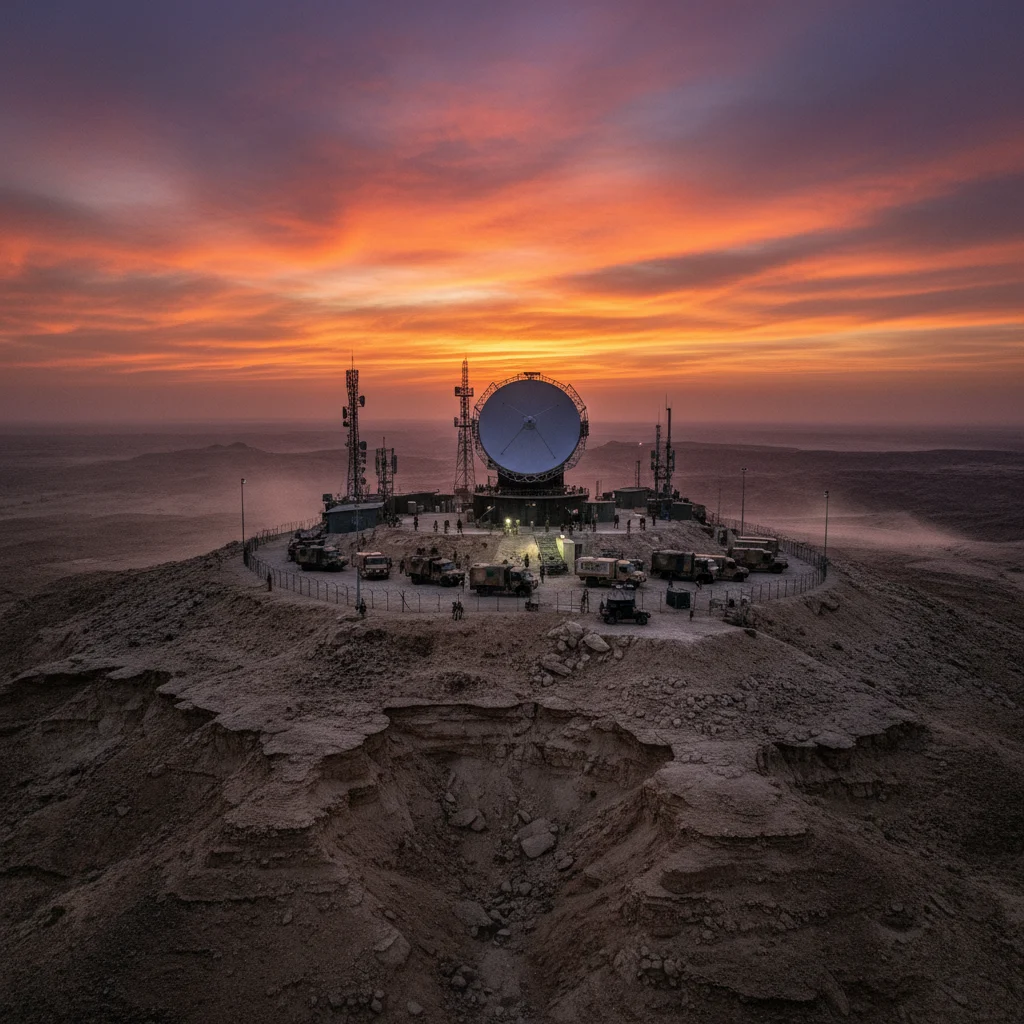
The night sky over Panjgur was quiet until the drones and missiles arrived. In a remote corner of Pakistan’s southwestern Balochistan province, the sudden explosions shattered more than just the midnight silence. They tore apart a delicate regional balance. By morning, Islamabad was in a state of fury, setting off a rapid chain of diplomatic retaliations and putting its armed forces on high alert.
Thank you for reading this post, don't forget to subscribe!The targets, according to Tehran, were bases belonging to Jaish al-Adl, a Sunni militant group operating along the porous border. But for Pakistan, the unilateral strike was an outrageous breach of international law. It was a red line crossed without warning.
The Midnight Flashpoint
It happened fast. Iranian state media quickly claimed the Revolutionary Guard had used high-precision missiles and suicide drones to destroy two key strongholds of the militant group. But on the ground in Balochistan, the reality was tragic. Local officials confirmed that the strikes hit civilian homes in a sparsely populated area. Two young girls were killed. Several other children were left badly wounded, their homes reduced to rubble.
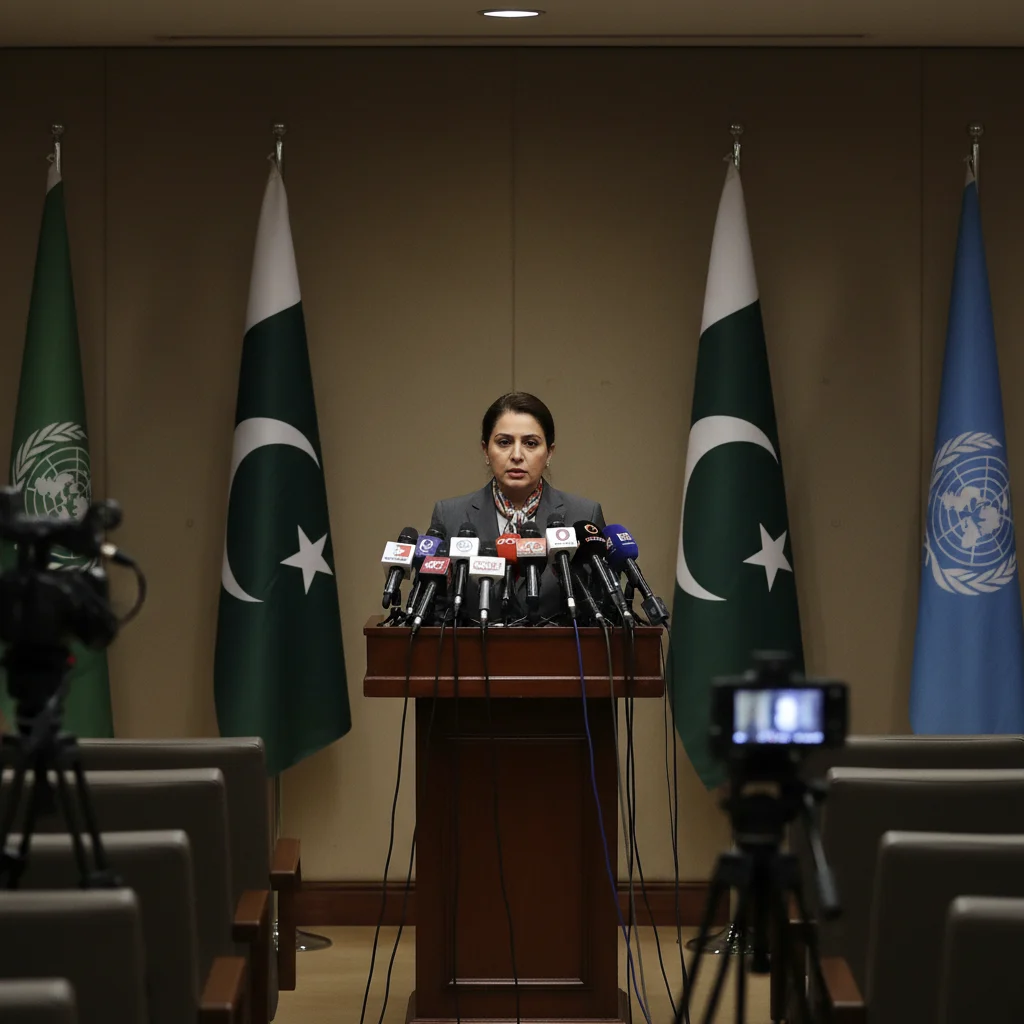
Islamabad didn’t wait long to react. The condemnation from the Ministry of Foreign Affairs was swift and unusually sharp. Foreign Office spokesperson Mumtaz Zahra Baloch did not mince words during an emergency press briefing. She called the incident an unprovoked and flagrant violation of Pakistan’s sovereignty.
“This act is completely unacceptable,” Baloch told reporters, her voice tight with tension. “It has no justification whatsoever. Pakistan reserves the right to respond to this illegal act. The responsibility for the consequences will lie squarely with Iran.”
Diplomatic Ties Severed in Hours
By afternoon, words turned into concrete diplomatic actions. Islamabad recalled its ambassador from Tehran. The Iranian ambassador to Pakistan, who happened to be visiting his home country at the time of the attack, was told not to bother returning. All high-level bilateral visits between the two neighbors, some planned for the coming days, were abruptly cancelled.
For a relationship that has always been a mix of public friendliness and private suspicion, this was a historic low. Never in recent memory had Pakistan taken such drastic diplomatic steps against Iran.
Behind closed doors in Islamabad, diplomats were stunned by the timing. Just hours before the missiles flew, Pakistan’s caretaker Prime Minister, Anwaar-ul-Haq Kakar, had met with Iranian Foreign Minister Hossein Amir-Abdollahian at the World Economic Forum in Davos. The two had smiled, shaken hands, and talked about cooperation. Meanwhile, the navies of both countries were actively conducting a joint exercise in the Persian Gulf. The sudden betrayal felt raw.
Rawalpindi Goes to High Alert
As the diplomats argued, the military generals took action. Rawalpindi, the headquarters of Pakistan’s powerful military establishment, went into overdrive. Air defense systems along the western border were activated. Radar installations scanned the skies, and combat air patrols were ordered over Balochistan.
Military sources, speaking on the condition of anonymity, confirmed that troops along the 900-kilometer border were placed on the highest level of readiness. This was no longer just a border policing issue. It was a national security emergency.
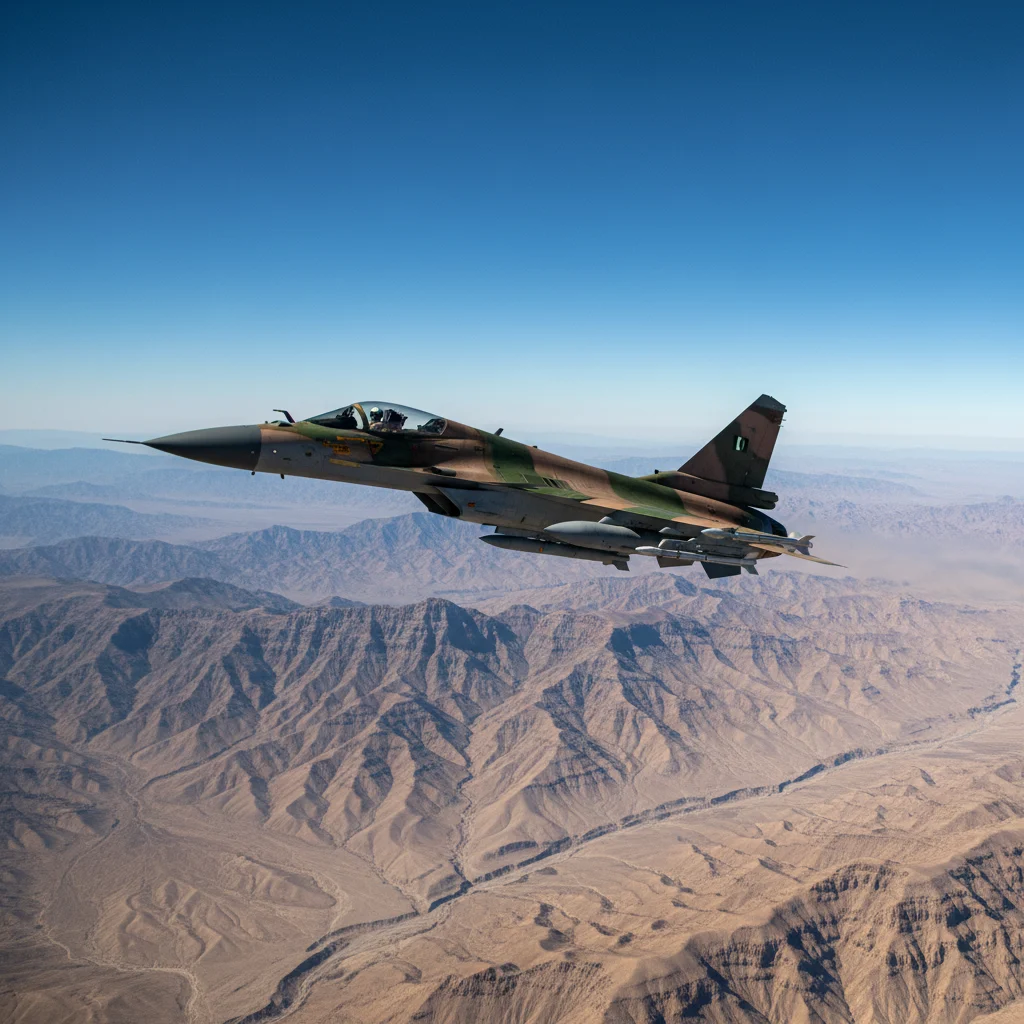
The challenge for Pakistan’s military planners is complex. The country already faces a tense, heavily militarized border with India to the east. To the northwest, relations with the Taliban-led government in Afghanistan are souring due to cross-border terrorism. Opening a third active front on the western border with Iran is a nightmare scenario for any defense strategist.
“We cannot afford to look weak,” said a retired Pakistani military commander. “If we do not respond to a violation of this magnitude, it sends a dangerous signal to all our neighbors. But at the same time, we must avoid a full-scale war that we don’t need.”
Understanding the Borderlands
The border between Pakistan and Iran is a rugged, lawless expanse of mountains and desert. For decades, both sides have accused each other of turning a blind eye to armed groups. Tehran has long complained that Jaish al-Adl uses Pakistani soil to plan attacks against Iranian security forces in Sistan-Baluchestan province. Conversely, Islamabad accuses Iran of harboring Balochi separatist insurgents who attack Pakistani infrastructure and security patrols.
Despite these grievances, the two countries had previously managed to resolve their differences through border commissions and hotlines. Unilateral military strikes were simply not part of the equation.
Local Balochi communities find themselves caught in the middle. The border division is artificial to many families who have relatives on both sides. Now, they fear that a military escalation will disrupt their lives, block trade routes, and turn their villages into a combat zone.
The Broader Regional Threat
Analysts believe Iran’s sudden aggression cannot be viewed in isolation. The Middle East is currently a tinderbox, fueled by the ongoing war in Gaza and rising tensions in the Red Sea. Just days before hitting Pakistan, Iran launched similar missile strikes in northern Iraq and Syria, claiming to target Israeli spy bases and Islamic State militants.
Faced with mounting domestic pressure and a need to project strength to its regional proxies, Tehran seems willing to take bigger risks. But hitting Pakistan, a nuclear-armed state with a highly trained military, is a major gamble.
The international community is watching closely. China, a close ally of both Islamabad and Tehran, immediately called for restraint. Beijing has billions of dollars invested in the region, particularly in the Gwadar port project located in Balochistan. A conflict here would derail China’s strategic ambitions.
The United States also weighed in, condemning the Iranian strikes and noting that Tehran has a history of violating the sovereignty of its neighbors. However, Washington’s comments were cautious, eager to avoid adding fuel to an already massive regional fire.
What Happens Next?
The big question now is how Pakistan will choose to respond. The country is currently run by a caretaker government, with national elections just weeks away. Political stability is fragile, and the economy is struggling under heavy inflation and debt.
A military counter-strike could boost domestic morale and satisfy those calling for a strong response. However, it risks turning a localized incident into a wider, unpredictable conflict. On the other hand, relying solely on diplomatic protests might make the military look weak in the eyes of the public.
As night fell over Islamabad, the lights stayed on in the ministries and military headquarters. Phones were ringing, maps were being drawn, and decisions were being made. The next moves by both Islamabad and Tehran will determine whether this border crisis can be defused, or if the region is about to slide into a dangerous new conflict.
