
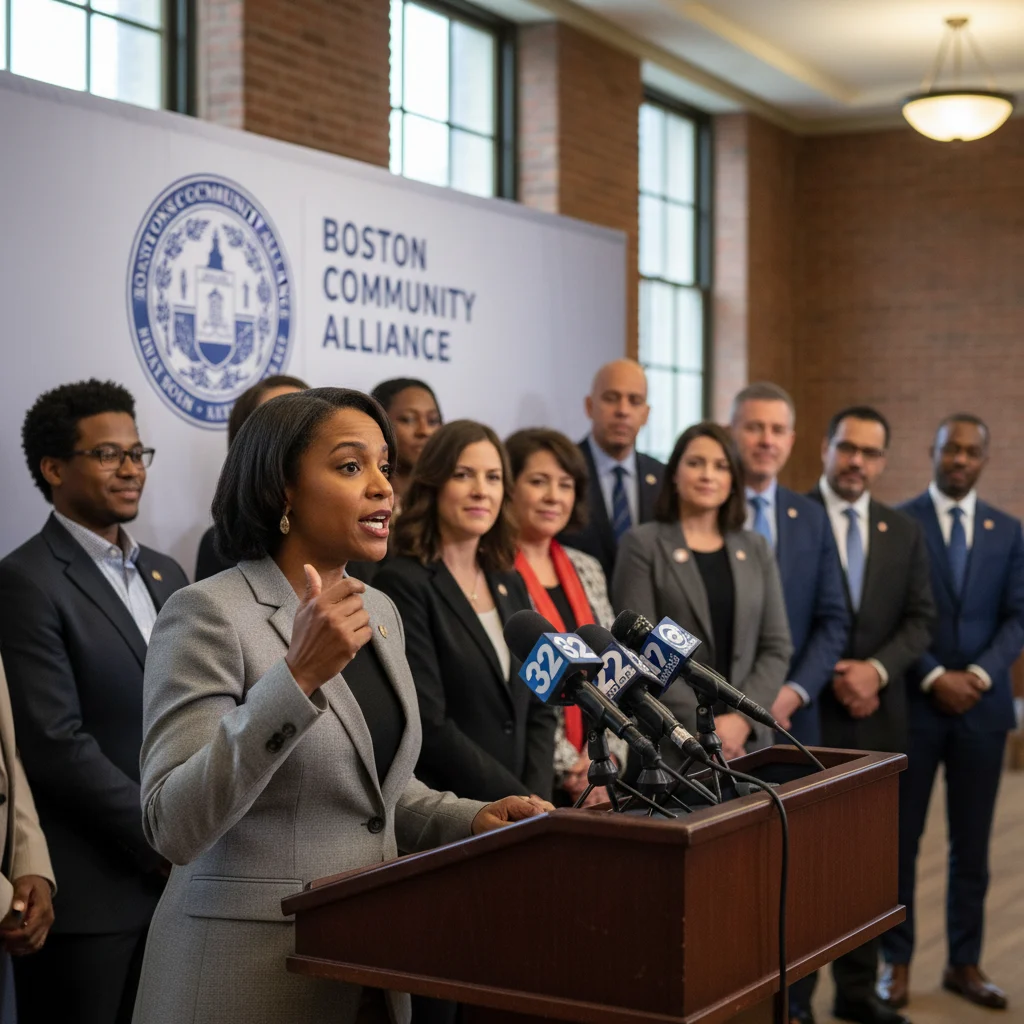
In the wake of a grueling midterm cycle, Rep. Ayanna Pressley is pivoting back to a familiar battle on Capitol Hill. The Massachusetts Democrat is rallying her colleagues to protect federal funding earmarked for grassroots, community-led violence prevention programs. It is a critical moment. With power dynamics shifting in Washington, local organizations back home are watching closely. They worry that the millions of dollars promised to street-level intervention could get caught in the legislative crosshairs.
Thank you for reading this post, don't forget to subscribe!The Fight for Grassroots Funding
Pressley, who represents Massachusetts’ 7th Congressional District, has long championed a public health approach to safety. Her district, which includes parts of Boston, Cambridge, and Chelsea, deals with deep-seated systemic inequities. Over the last couple of years, she has managed to secure significant federal dollars for local programs through community project funding. But these victories are never permanent. Every new budget cycle puts the money back on the chopping block.
This is not a theoretical debate for Pressley. It is about saving lives. She argues that the people closest to the pain are often the ones best equipped to solve the problem. That is why she wants federal resources going directly to the people on the ground.
Why Local Programs Matter
In places like Boston and Chelsea, federal grants keep vital initiatives alive. These funds go to organizations that employ street workers, youth mentors, and mental health professionals. These are people who know the neighborhoods intimately. They know who is at risk, and they know how to step in before a dispute turns deadly.
Consider the impact on local initiatives like the Violence Intervention Advocacy Program at Boston Medical Center. This program connects with victims of violence right in the emergency room. Advocates offer immediate support, help families navigate the trauma, and work to prevent retaliatory cycles. If federal funding dries up, programs like this face severe cutbacks.

- Immediate crisis intervention: Reaching victims in hospitals to stop retaliation.
- Youth mentorship: Providing alternatives to young people in high-risk environments.
- Mental health support: Addressing the deep trauma left behind by community violence.
In recent funding cycles, Pressley has brought home more than $13 million for community projects across her district. A chunk of that went straight to public safety and trauma support. For local leaders, this cash is more than just a line item in a federal ledger. It pays for real people to do real work on the streets. When those funds are threatened, it sends a wave of anxiety through communities that are already on edge.
Navigating a Shifting Congress
The post-midterm legislative period is always chaotic. With a divided Congress, every line item in the budget faces intense scrutiny. There is constant political pressure to divert money away from social programs and back into traditional law enforcement. Pressley, however, believes this is a false choice.
“We cannot police our way out of trauma,” Pressley said in a recent statement on public safety. “True public safety comes when we invest in the very people doing the hard, daily work of healing our neighborhoods from the ground up.”
Pressley is urging the House Appropriations Committee to keep funding robust for the federal Community Violence Intervention initiative. She isn’t alone in this push. A coalition of progressive and moderate lawmakers is joining her. They argue that community-led safety is not a partisan issue, but a practical one that saves both lives and tax dollars.
Securing Long-Term Stability
For decades, local grassroots groups have operated on shoestring budgets. They often rely on unpredictable, short-term philanthropic grants. Federal backing changes the situation entirely. It provides the stability these organizations need to hire permanent staff, plan long-term outreach, and build real trust within the community.
Local advocates warn that losing this support would be devastating. Without sustained federal cash, the progress made in reducing local violence could quickly slip away. As budget negotiations ramp up in Washington, Pressley is making it clear that these community funds are a top priority for her office. The upcoming weeks will determine whether Washington continues to back these local lifelines, or leaves them to fend for themselves.
