
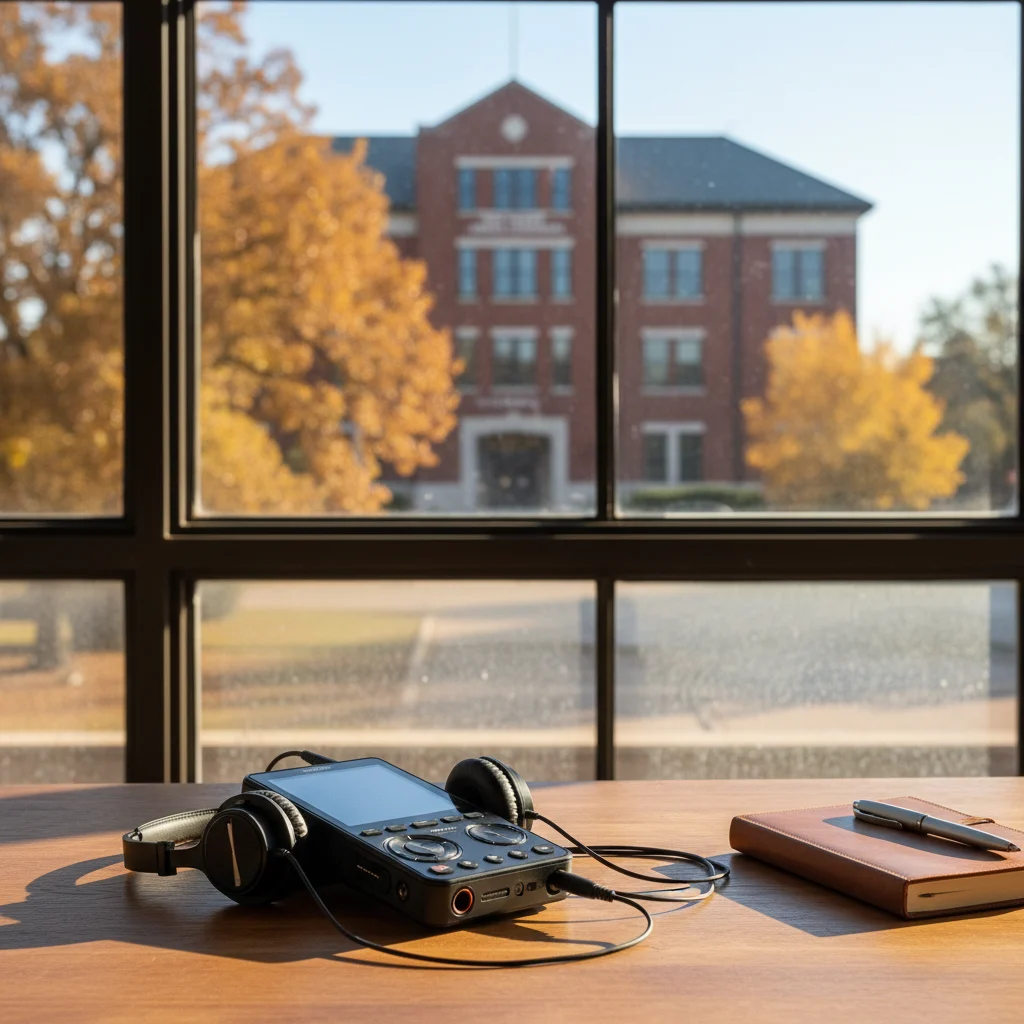
Dallas is quiet on November mornings. But on this Friday, sixty-three years after the world changed in an instant, a small crowd gathers near Dealey Plaza. They look up at the red brick of the old Texas School Book Depository. They walk the concrete plaza. For most, this place is a chapter in a textbook. For a shrinking group of people, it is a vivid personal memory. They can still smell the motor oil and the autumn air. They still remember the sudden, terrible noise that shattered the midday cheers.
Thank you for reading this post, don't forget to subscribe!Time is a cruel editor. If you were ten years old, standing on the grass near Elm Street when President John F. Kennedy was assassinated on November 22, 1963, you are seventy-three today. If you were a young police officer, a nurse, or a reporter, you are likely in your late eighties or nineties. Every year, more of these voices go quiet. Their private memories go with them, unrecorded and lost to time.
To stop this quiet loss of history, a new digital initiative is launching in Dallas today. Called the Living Memory Archive, the project is a collaborative effort led by local historians, university libraries, and digital preservationists. The goal is simple but incredibly urgent: track down every remaining person who saw, heard, or felt the events of that dark Friday in Dallas, and record their stories before it is too late.
The Race Against the Clock
This is not the first attempt to gather oral histories about the assassination. The Sixth Floor Museum at Dealey Plaza has collected hundreds of interviews over the decades. But this new project is different. It is a rapid-response digital effort designed to reach people who never thought their stories mattered.
“For a long time, historians focused on the big names,” says Dr. Arthur Bradley, a Dallas-based historian working on the registry. “They wanted the detectives, the politicians, the doctors who were in the operating room. But the story of that day also belongs to the high school students who skipped class to see the motorcade. It belongs to the secretaries in the nearby offices and the bus drivers stuck in the sudden traffic gridlock. Those are the stories we are losing fastest now.”
The initiative is setting up mobile recording booths across the Dallas-Fort Worth metroplex. For those who cannot travel, teams of student volunteers equipped with high-definition digital recorders are visiting retirement communities and private homes. The project has also launched an online portal where families can upload home movies, letters, and audio recordings from November 1963.
Beyond the Conspiracy Theories
For more than six decades, the JFK assassination has been a magnet for conspiracy theories, movies, and debates. But the organizers of the Living Memory Archive are not looking for new theories about shooters or grassy knolls. They want something much more valuable: raw, unpolished human experience.
“We don’t need people to tell us who they think did it,” Bradley explains. “We have enough books about that. We want the sensory details. What did the sirens sound like? What was the weather like when the sun came out? How did you find out the President was dead, and what did your mother do when she heard the news? That is the human tissue of history.”
One of those participating in the project is eighty-one-year-old Martha Jenkins. In 1963, she was an eighteen-year-old clerk working at a department store downtown. She had walked three blocks to Main Street during her lunch break to catch a glimpse of Jackie Kennedy’s pink suit.
“I remember the crowd was so happy,” Jenkins says, her voice trembling slightly. “People were smiling and waving. Then we heard these loud pops. At first, everyone thought it was just backfire from a motorcycle or maybe firecrackers. Nobody wanted to believe anything bad could happen on such a beautiful day. Then the police cars started speeding past, and the mood just curdled. I’ll never forget the sound of hundreds of people gasping all at once.”
GET FREE $1000 AMAZON GIFT CARD
High-Tech Tools for Living History
The project is using modern technology to preserve these old memories. Using spatial audio and high-resolution video, the archive plans to create an interactive digital map of Dealey Plaza. Future researchers will be able to click on a specific spot on the map and hear the testimony of someone who was standing exactly there when the shots were fired.
Organizers are also using advanced digital preservation techniques to restore old family tapes. In the days following the assassination, many Dallas residents recorded their own thoughts on reel-to-reel tapes or spoke into home dictation machines. Many of these tapes have spent decades sitting in hot Texas attics, decaying a little more each summer.
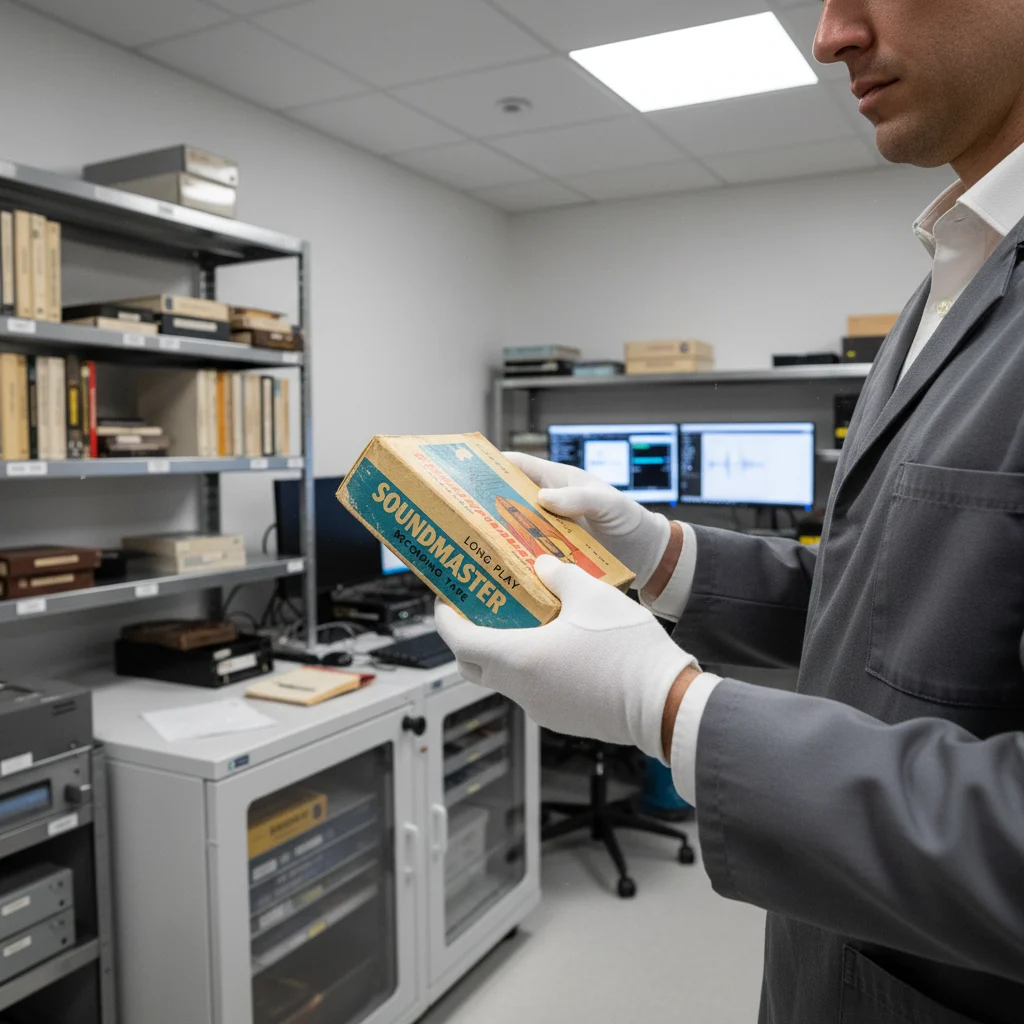
“We are racing against chemical decay as much as biological time,” says Sarah Lindqvist, a digital archivist involved in the project. “Magnetic tape from the early sixties becomes incredibly brittle. It can easily snap the moment you try to play it. We are using specialized baking and restoration techniques to stabilize these tapes just long enough to get a clean digital transfer.”
Preserving the Smallest Details
The value of these everyday memories is hard to overstate. Historians note that the official record often misses the sheer confusion of the moment. Newspapers from the era had to organize the chaos into a neat narrative with headlines and columns. Oral histories do the opposite: they preserve the messy, confusing reality of living through a crisis in real-time.
“People forget that there was no social media, no instant messaging,” Lindqvist says. “Information traveled by word of mouth, by car radios, by people yelling out of office windows. We have one account from a woman who said she found out the President was shot because a stranger ran up to her on the street, grabbed her by the shoulders, sobbed, and then ran away without saying another word. That is the kind of detail you don’t find in the Warren Commission Report.”
The archive will be entirely free and open to the public. The organizers hope to have the first phase of the digital portal fully operational by the spring of next year, allowing schools, researchers, and families to explore the database.
The Value of the Last Voice
As the sun begins to set over Dealey Plaza, the shadows of the elm trees stretch across the grass. A few tourists stop to take photos of the white ‘X’ painted on the asphalt of Elm Street. Soon, there will be a day when no one alive can remember the sound of those shots echoing off the concrete walls.
Until that day comes, the historians in Dallas intend to keep listening.
“Every time one of these people passes away, a library burns down,” Bradley says, looking out over the plaza. “We can’t stop time. But we can make sure that when the last person who was here is gone, their voice is still here to tell us what it was like.”
