
The Gathering at Elm Street
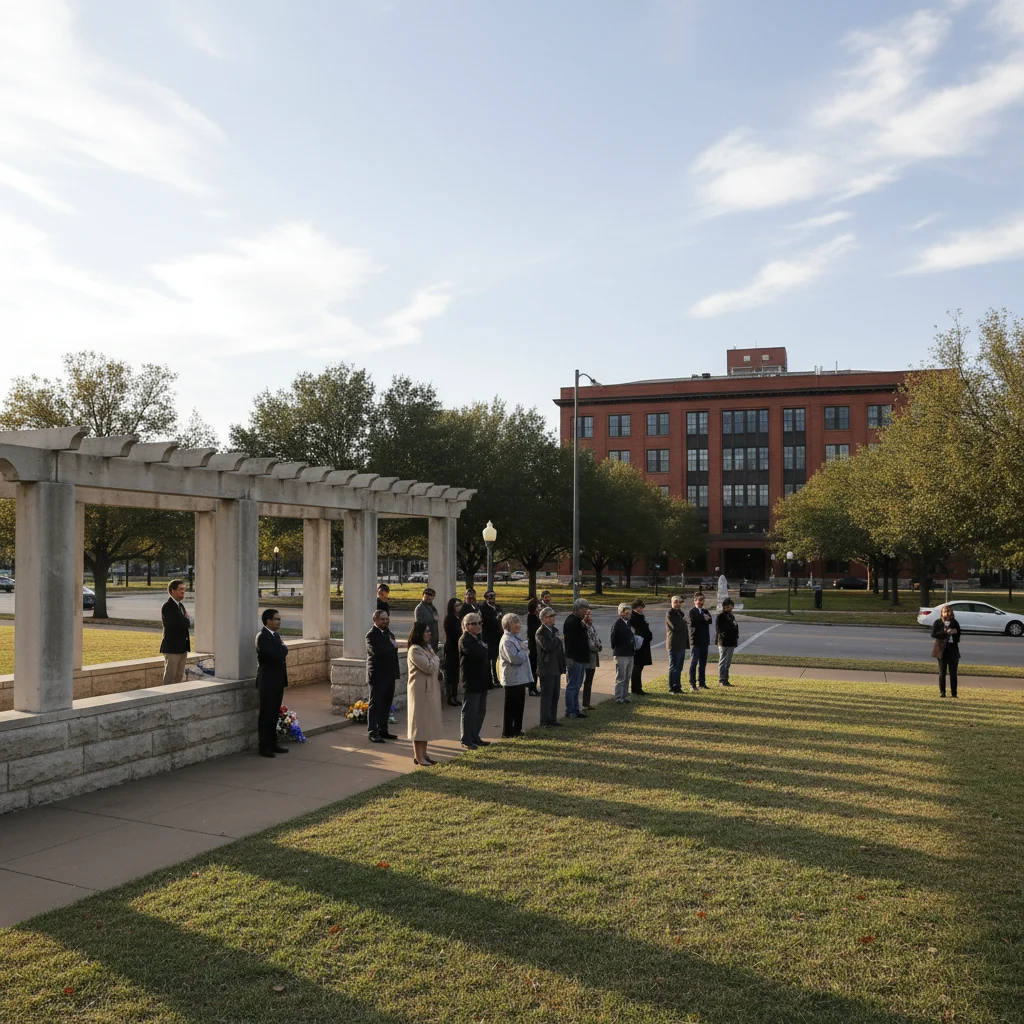
The wind blew cold through Dealey Plaza on a late November afternoon. People stood in quiet clusters along the concrete pergola, their coat collars turned up against the chill. Some held vintage newspapers. Others clutched faded photographs of a young, smiling president. At exactly 12:30 PM, the crowd fell silent. It was the same moment, sixty-three years ago, when three shots rang out in Dallas, changing the course of American history forever.
Thank you for reading this post, don't forget to subscribe!For over six decades, this patch of asphalt on Elm Street has served as a monument to unresolved grief and unanswered questions. Every year, researchers, historians, and ordinary citizens make the pilgrimage to the grassy knoll. They lay flowers on the white “X” painted on the street where the presidential limousine slowed down. But this year, the annual memorial carried a sharper, more urgent edge. The solemnity of the occasion was matched by growing political and legal pressure on Washington to finally release the remaining secret records of the assassination.
Despite a federal law mandating total disclosure, thousands of documents held by the National Archives and Records Administration remain partially redacted or withheld entirely. To those standing in Dealey Plaza, this continued secrecy is more than a bureaucratic annoyance. They see it as a direct threat to public trust in the government.
The Long Legacy of Secrecy
To understand the current frustration, you have to go back to 1992. That was the year Congress passed the President John F. Kennedy Assassination Records Collection Act. Spurred by public outrage following Oliver Stone’s movie “JFK,” the law was a rare moment of bipartisan agreement. It mandated that every single record related to the assassination be made fully public within 25 years. The deadline was set for October 2017.
That deadline came and went. Since then, successive administrations have used national security loopholes to delay the final release. Both Donald Trump and Joe Biden signed executive orders blocking the full disclosure of the remaining files. They cited recommendations from intelligence agencies, including the CIA and FBI, who argued that releasing the documents could still harm foreign relations, intelligence sources, and military operations.
Today, the National Archives claims that over 99 percent of the collection is publicly available. But researchers point out that the final one percent contains the most critical information. This leftover portion includes thousands of pages with heavy redactions—blacked-out names, operational codes, and entire paragraphs that render the documents virtually useless to historians.
What Lies in the Redacted Files?
What could still be so sensitive after sixty-three years? Historians argue the government isn’t trying to hide a “smoking gun” that proves a second gunman on the grassy knoll. Instead, they believe the remaining files protect institutional secrets and reveal the deep, uncomfortable connections between the intelligence community and Lee Harvey Oswald before November 22, 1963.
Of particular interest are the files of George Joannides, a deceased CIA officer. In 1963, Joannides ran a psychological warfare program in Miami. He was the agency’s liaison to the Directorio Revolucionario Estudiantil, an anti-Castro Cuban student group. Members of this group had public confrontations with Oswald in New Orleans just months before the assassination. When Congress investigated the assassination in the late 1970s, the CIA did not disclose Joannides’ role with the Cuban group. His operational files remain heavily guarded to this day.
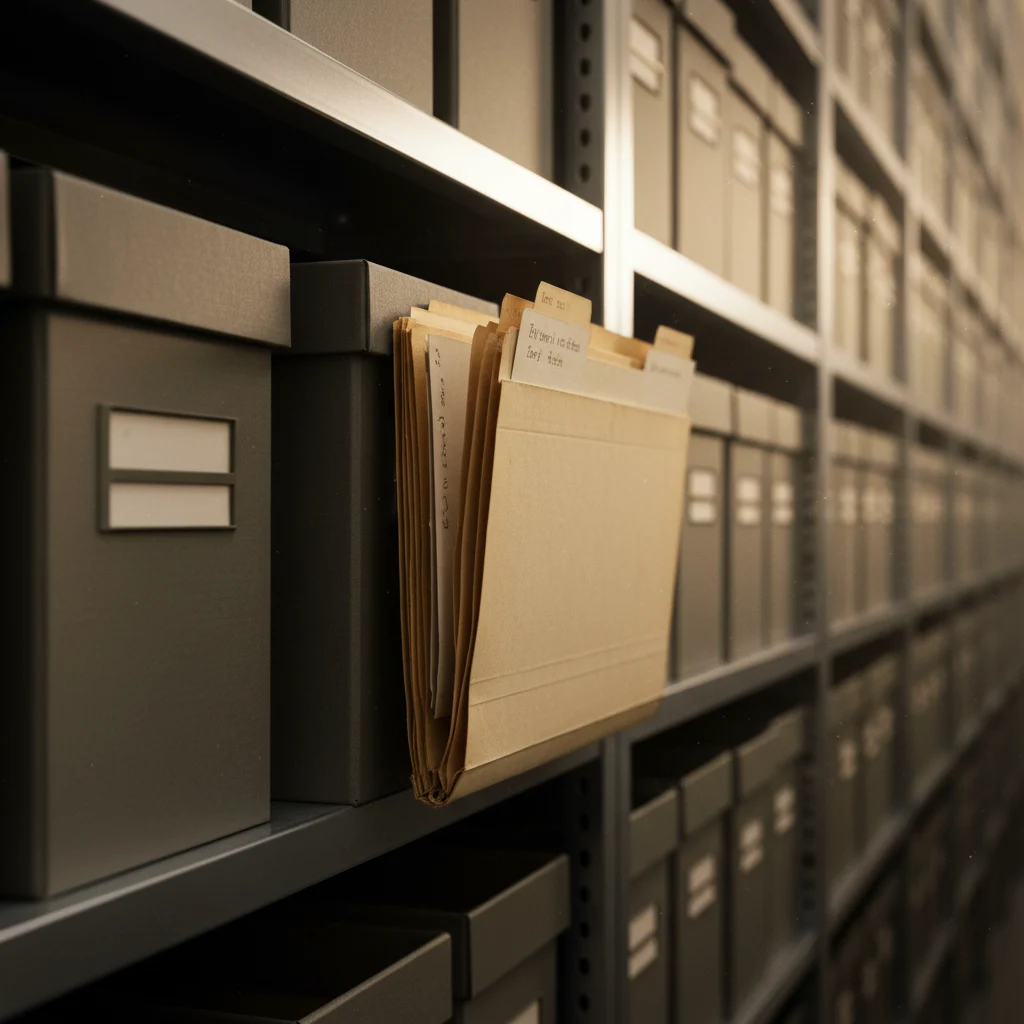
Researchers also point to redacted files concerning Winston Scott, the CIA station chief in Mexico City in 1963. Oswald visited Mexico City in September of that year, visiting both the Soviet and Cuban embassies. The CIA had Oswald under close surveillance during this trip, yet many of the records detailing that surveillance remain classified or redacted. Historians want to know exactly what the agency knew about Oswald’s foreign contacts, and when they knew it.
GET FREE $1000 AMAZON GIFT CARD
The Fight in the Courts
The battle for these documents is no longer just a debate among historians. It is an active legal war. The Mary Ferrell Foundation, a prominent historical archive, filed a federal lawsuit against President Biden and the National Archives to force the complete release of all redacted records.
Jefferson Morley, a prominent author and JFK researcher who serves as a spokesperson for the foundation, has spent decades fighting for transparency. Morley argues that the government is violating the explicit terms of the 1992 Act. He maintains that the intelligence agencies have never provided the specific, demonstrable evidence of harm required by the law to keep these documents hidden.
“The law says all records must be disclosed unless there is clear and convincing evidence of harm to national security,” Morley said in a recent interview. “After sixty-three years, they cannot show that. What they are protecting is not national security, but the reputation of the agencies.”
Erosion of Public Trust
Back in Dealey Plaza, visitors watched the slow traffic wind down Elm Street, passing under the windows of the former Texas School Book Depository. The building now houses the Sixth Floor Museum, which chronicles the life and death of Kennedy. For many who visit, the government’s refusal to release the remaining files does nothing but fuel wild conspiracy theories.
“The longer they keep these papers locked up, the more people think they have something terrible to hide,” said David Alvarez, a retired history teacher who traveled from California to attend the memorial. “It’s not just about solving a historic mystery anymore. It’s about whether we can trust our own institutions to tell us the truth about our history.”
The push for full disclosure has found support across the political spectrum. Figures ranging from progressive Democrats to conservative Republicans have called on the White House to strip away the redactions. They argue that transparency is the only way to heal the deep cynicism that has plagued American politics since the 1960s.
An Unfinished Chapter
As the sun dipped behind the Triple Underpass, the crowd in Dealey Plaza began to disperse. A few people lingered, looking at the wreaths left on the grass. The plaza returned to its normal state, a busy downtown thoroughfare where cars speed over the very spot where a president died.
But the story of November 22, 1963, remains unfinished. For the researchers heading back to their archives and the lawyers preparing their next briefs, the 63rd anniversary was not just a day of remembrance. It was a call to action. Until the last black line is erased from the final document, the ghost of Dealey Plaza will continue to haunt the American conscience, a symbol of a nation still waiting for the whole truth.
