
A Nearly Empty Room and a $1.7 Trillion Bill
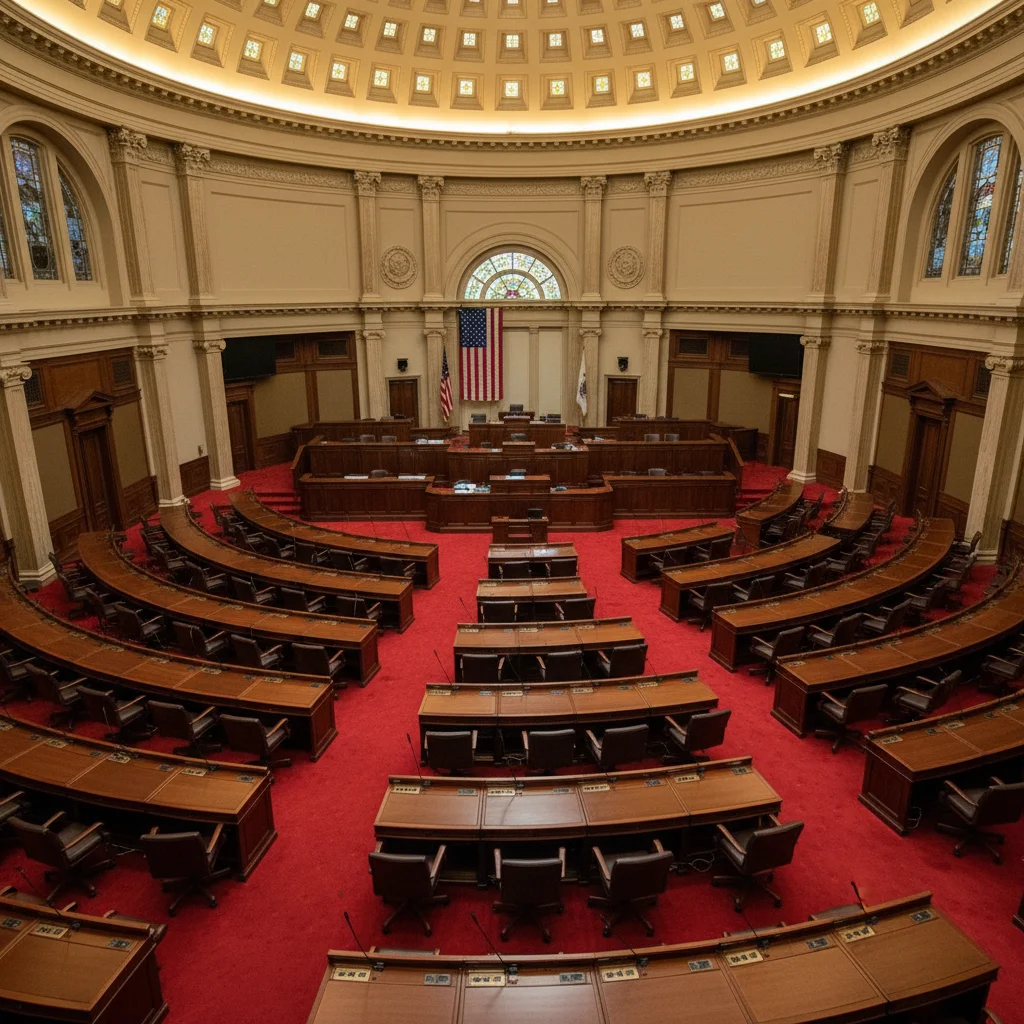
On a freezing day in late December 2022, the U.S. House of Representatives was remarkably quiet. Christmas was just days away. A massive winter storm was hammering travel across the country, threatening to strand politicians far from home. Lawmakers were desperate to get out of Washington. Yet, one of the largest spending bills in American history lay on the table waiting for a vote: a colossal $1.7 trillion omnibus package designed to fund the federal government and keep its lights on.
Thank you for reading this post, don't forget to subscribe!To pass the legislation, the House needed a quorum. Historically, that meant at least 218 members had to show up in person. Instead, the floor was almost empty. Only 201 representatives actually stood in the chamber. The rest had already checked out, leaving their votes to be cast by colleagues via a temporary pandemic-era system known as proxy voting. More than 220 lawmakers voted from afar, many from the comfort of their home districts. It was quick. It was convenient. But it was also a historical anomaly.
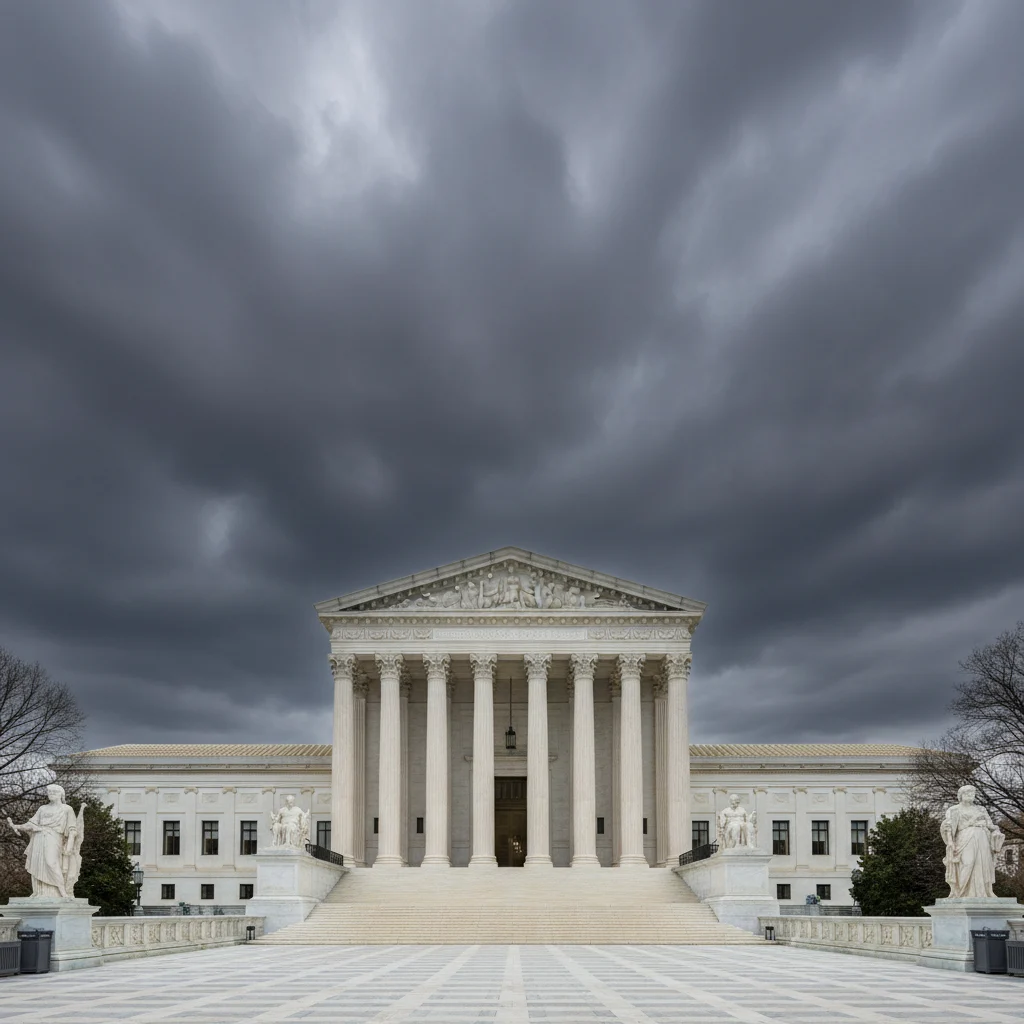
The bill passed. President Joe Biden signed it into law. But that quiet afternoon in Washington set off a constitutional time bomb that has now reached the steps of the United States Supreme Court. The resulting legal battle threatens to pull the rug out from under major federal policies and reshape how Congress must operate forever.
How Pandemic Emergency Rules Became Permanent Convenience
To understand how the House ended up voting on a $1.7 trillion bill with a ghost-town chamber, one must look back to the chaotic spring of 2020. As the COVID-19 pandemic swept across the globe, then-Speaker Nancy Pelosi faced a historic dilemma: how to pass critical emergency relief laws without forcing hundreds of lawmakers to crowd into a single room. The solution was House Resolution 965, which authorized proxy voting for the first time in congressional history.
Under this system, an absent lawmaker could designate a colleague who was physically present in the chamber to cast their vote according to their instructions. It was designed strictly as a temporary public health measure. But as the pandemic dragged on, the practice became deeply entrenched. Lawmakers realized they could avoid long flights, stay on the campaign trail, or attend family events while still officially voting on major legislation.
Republicans initially resisted the move. Many argued it was a lazy bypass of constitutional duties. In 2020, House Minority Leader Kevin McCarthy and dozens of other GOP lawmakers filed a lawsuit challenging the rules. However, the federal courts dismissed that initial challenge, pointing to the Constitution’s Speech or Debate Clause, which protects lawmakers from being sued over their legislative acts. The court essentially told the Republicans that their fight was political, not judicial.
But by December 2022, the pandemic was officially waning. The public health emergency was coming to an end. Yet, when the omnibus bill came to the floor, proxy voting was used at an unprecedented scale. That was the tipping point.
The Battle Over the Quorum
Texas Attorney General Ken Paxton looked at that empty chamber and saw a blatant violation of the country’s founding document. Once the bill became law and began to impose new rules on states, the legal playing field shifted. Texas now had standing—the legal right to sue because the law’s provisions directly impacted state operations and budgets. Paxton promptly filed a lawsuit against the federal government.
The case hinges on Article I, Section 5 of the Constitution. The text is straightforward: “a Majority of each [House] shall constitute a Quorum to do Business.” For over two centuries, this was universally understood to mean physical bodies in seats. If you did not have 218 members in the room, the House was powerless to vote on bills. It could only adjourn or compel the attendance of absent members.
Texas won its first major battle in the lower courts. U.S. District Judge James Hendrix, a federal judge in Lubbock, Texas, ruled in favor of the state. He declared that the Quorum Clause requires physical presence. In a detailed, historically rigorous opinion, Hendrix wrote that the Constitution’s text, original meaning, and historical practice all point to the same conclusion: members of Congress cannot count themselves as present when they are hundreds of miles away. He blocked the enforcement of specific provisions of the omnibus bill within the state of Texas.
GET FREE $1000 AMAZON GIFT CARD
The federal government appealed the decision, but the Fifth Circuit Court of Appeals—known as one of the most conservative courts in the nation—declined to overturn Hendrix’s ruling. Now, the ultimate decision rests with the Supreme Court.
The Domino Effect on Federal Laws
The implications of this legal battle are staggering. If the Supreme Court upholds the Texas ruling, it will not just be a symbolic victory for conservatives. It could dismantle key federal programs and trigger massive financial and regulatory chaos.

Consider the Pregnant Workers Fairness Act. This popular, bipartisan piece of legislation was tucked inside that giant 2022 spending package. It requires employers to provide reasonable accommodations for pregnant workers, like extra restroom breaks or light duty. Because of Judge Hendrix’s ruling, the federal government cannot enforce this law against Texas state agencies. If the Supreme Court agrees with Hendrix, the entire act could be struck down nationwide, or at least severely crippled, leaving millions of workers without these protections.
But the fallout would go far beyond pregnant workers. The 2022 omnibus bill funded the entire federal budget. While the Supreme Court is unlikely to claw back trillions of dollars that have already been spent, a ruling against the government could freeze ongoing projects, invalidate administrative rules created under the bill, and throw federal agency budgets into complete disarray. It would open the floodgates for a wave of lawsuits from private businesses and state governments looking to escape federal regulations passed during the proxy-voting era.
The Biden Administration’s Defense
The Department of Justice is fighting back with a powerful counterargument: the courts have no business telling Congress how to run its own house. The administration points to another part of the Constitution, which gives each house of Congress the authority to “determine the Rules of its Proceedings.”
According to the government’s lawyers, the House had the constitutional right to decide that proxy voting counted toward a quorum. They argue that once a bill is signed by the President and certified by congressional leaders, courts should not peer behind the curtain to investigate how the votes were cast. This is known as the “enrolled bill doctrine,” a legal precedent that dates back to the late 19th century. Under this doctrine, once a bill is signed, it is assumed to have been passed constitutionally, and the courts must respect the co-equal status of the legislative branch.
To the administration, Texas is asking the judiciary to cross a dangerous line. If judges can throw out laws based on internal congressional procedures, it would violate the separation of powers. It would turn the federal courts into super-legislatures, constantly policing how Congress conducts its day-to-day operations. Where would it end? Could a court strike down a law because a debate was cut short, or because a committee meeting lacked a physical majority?
A Court of Textualists Facing a Dilemma
The Supreme Court’s current conservative majority prides itself on textualism and originalism—the idea that the Constitution must be interpreted based on the original public meaning of its words at the time they were written. In the late 18th century, “presence” meant physical presence. There were no smartphones, no internet, and no Zoom. If you were not in the room, you were not there. Founders like James Madison and Alexander Hamilton certainly did not envision representatives voting from their vacation homes.
This favors the Texas argument. However, some conservative justices are also deeply committed to the separation of powers and may hesitate to meddle in internal congressional rules. Striking down a $1.7 trillion law over a procedural dispute is a massive step, even for a bold court. It presents a fascinating clash of conservative legal philosophies: the strict textual interpretation of the Constitution versus judicial restraint and respect for the independence of the legislative branch.
Lawyers and policy experts are watching this case with bated breath. If the high court rules that the House lacked a quorum, it will send shockwaves through Washington. It will also serve as a stark warning to future Congresses: rules cannot be bent for convenience, even when a winter storm is brewing and the holidays are calling. The physical chamber must remain the heart of American democracy, or the laws passed within its empty walls may simply cease to exist.
