
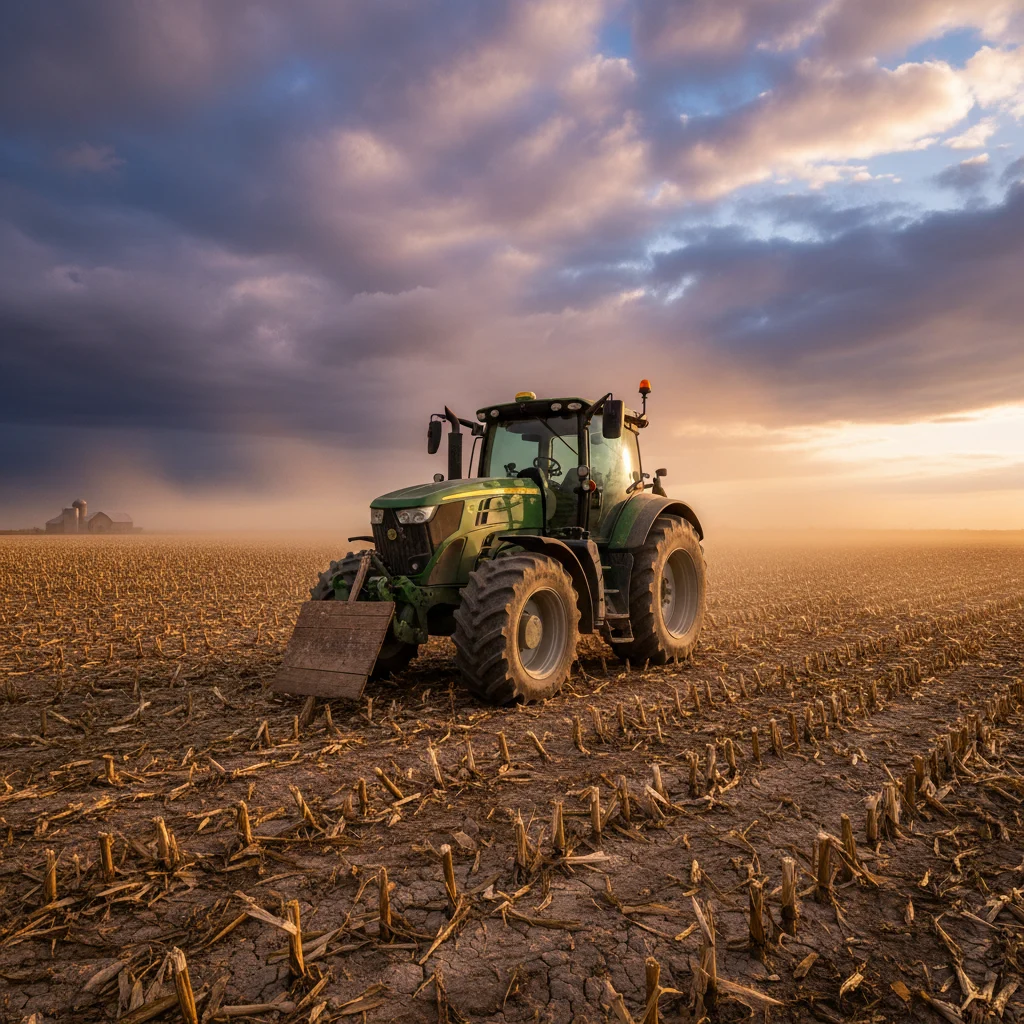
Capitol Hill is running out of time. For months, a massive piece of legislation that touches everything from the suburban grocery aisle to the farthest reaches of rural America has been stuck in legislative mud. It is the federal Farm Bill, a giant, multi-year package that dictates American food and agricultural policy. Normally passed every five years, the current legislative effort has dragged on well past its original schedule, bogged down by intense partisan fighting. Now, as lawmakers face a tight legislative window, they are locked in a high-stakes game of chicken that threatens to leave both family farms and low-income households out in the cold.
Thank you for reading this post, don't forget to subscribe!At its heart, the battle is a classic Washington standoff. On one side are House Republicans, who want to rein in spending on public assistance and redirect federal dollars toward traditional safety nets for crop producers. On the other side are Senate Democrats, who are fighting to protect historic investments in climate-smart farming and shield the country’s primary food assistance program from structural cuts.
The stakes are incredibly high for the rural economy. Net farm incomes have plummeted due to dropping crop prices and high operating costs. Meanwhile, food banks across the nation report sustained high demand as families grapple with grocery prices. Yet, despite the clear urgency, a breakthrough remains elusive. It is a simple math problem with a highly complex political solution.
The $30 Billion Battle Over SNAP
Let’s look at the numbers. The Supplemental Nutrition Assistance Program, or SNAP, helps feed more than 40 million Americans. It also accounts for the vast majority of the Farm Bill’s overall budget—roughly 80 percent of the total cost. Because of its size, the program is always the biggest political target on the Hill.
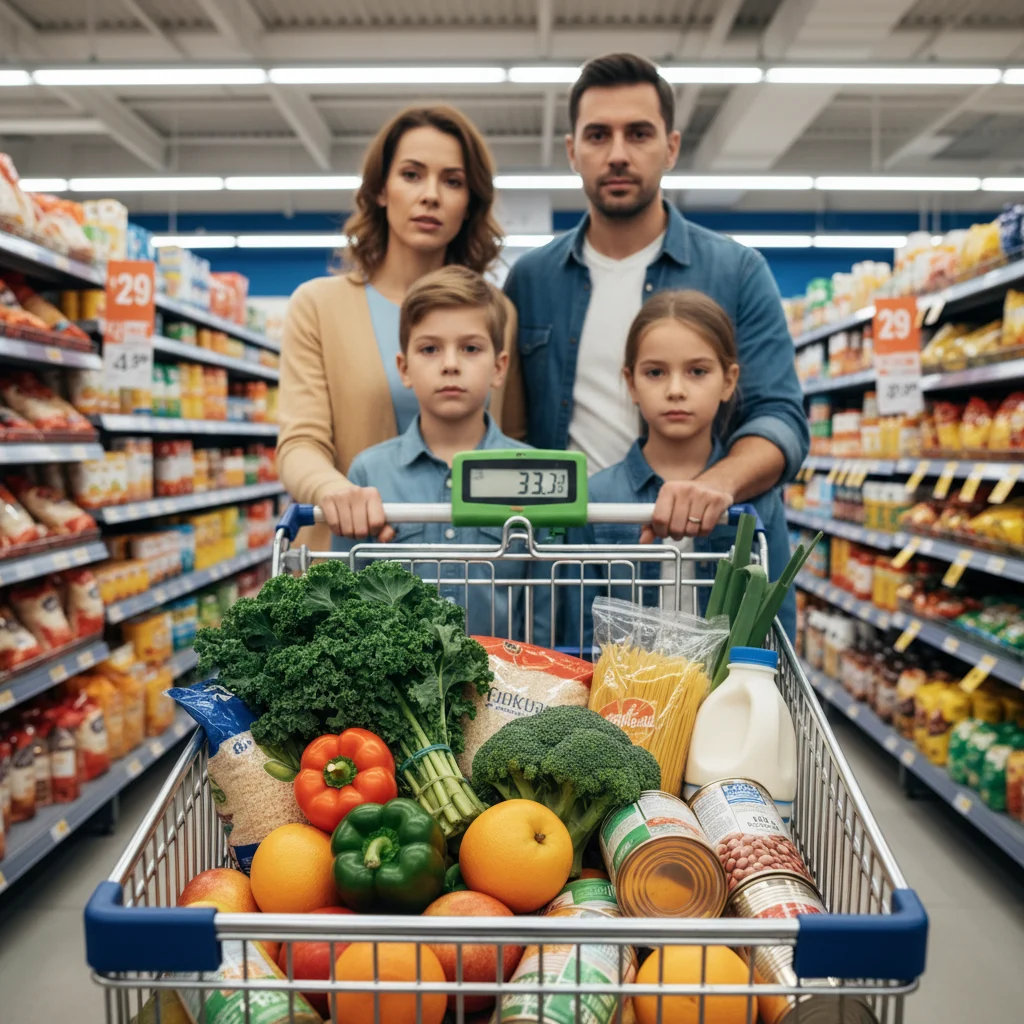
House Agriculture Committee Chairman Glenn "GT" Thompson, a Pennsylvania Republican, has championed a plan to limit future increases to SNAP. The mechanism is highly technical but carries massive real-world consequences. It involves the Thrifty Food Plan, a mathematical model used by the Department of Agriculture to calculate basic food costs and set benefit levels. In 2021, the Biden administration updated this model, resulting in a permanent 21 percent boost in monthly benefits. Republicans were furious, accusing the administration of bypassing Congress to orchestrate an unauthorized spending spree.
The current Republican proposal would prevent the USDA from making similar adjustments in the future. The plan restricts the agency to basic cost-of-living adjustments, effectively freezing the real-world purchasing power of SNAP benefits. Nonpartisan budget analysts estimate this change would shave nearly $30 billion from projected SNAP spending over the next decade. To Republicans, this is fiscal responsibility. To Democrats, it is a non-starter.
Senate Agriculture Committee Chairwoman Debbie Stabenow, a Michigan Democrat, has drawn a hard line in the sand. She has repeatedly stated she will not sign off on a bill that takes food away from families. her position is clear: cutting food assistance to pay for agricultural subsidies is a dealbreaker. Democrats argue that freezing benefits ignores the real-world costs of healthy food, especially during periods of persistent inflation.
The Tug-of-War Over Green Farming Funds
If food stamps represent the first major battleground, conservation funding is the second. In 2022, Democrats passed the Inflation Reduction Act, which injected roughly $19 billion into popular USDA conservation programs. However, that money came with strict strings attached. The funds were specifically earmarked for "climate-smart" agricultural practices—initiatives like planting cover crops, managing nutrients, and reducing methane emissions to capture carbon or reduce greenhouse gases.
Lawmakers from both parties agree they should fold this remaining money into the permanent baseline of the Farm Bill. It seems like an easy win. But a massive disagreement over the "guardrails" on that money has brought progress to a halt.
Republicans, led by Senator John Boozman of Arkansas, want to strip the climate-smart requirements entirely. They argue that local farmers, not federal agencies in Washington, know how to manage their land. Under the GOP proposal, a farmer could use conservation money for a wide variety of traditional projects, regardless of whether they reduce carbon emissions. These include:
- Upgrading legacy irrigation systems
- Preventing local soil erosion
- Building physical barriers to manage livestock runoff
- Improving general water quality on the property
"Farmers are facing a severe economic squeeze," Boozman has argued, emphasizing that the funds should be flexible enough to help producers stay profitable. Democrats, however, view those climate rules as sacred. They argue that stripping the green guardrails would be a massive step backward, especially as extreme weather, from severe droughts to sudden floods, continues to batter crop yields across the nation.
Why Reference Prices Matter to Struggling Farmers
To understand why Republicans are fighting so hard for these funds, you have to look at reference prices. These are the federally mandated price floors set for major commodities like wheat, corn, soybeans, cotton, and peanuts. When market prices drop below these thresholds, the government issues payments to help farmers cover their losses.
Growers argue that the current safety nets are dangerously outdated. Reference prices were set years ago, long before global supply chain disruptions and inflation sent the cost of diesel, fertilizer, seed, and equipment skyrocketing. Today, a farmer can lose money on a crop even if the market price remains technically above the official safety-net level.
To fix this, farm-state lawmakers want to raise reference prices across the board. But doing so is incredibly expensive. In a tight fiscal environment, finding the billions of dollars needed to fund these hikes requires taking money from somewhere else. For Republicans, the logical sources are the climate-smart ag funds and future SNAP increases. For Democrats, that trade-off is completely unacceptable.
The Cost of Inaction for Rural Communities
The deadlock has real consequences beyond the halls of Congress. For agricultural lenders, the Farm Bill is a critical blueprint. Rural banks use the bill’s safety nets as collateral when writing annual operating loans. Without a clear, multi-year policy in place, banks become hesitant to lend, leaving farmers in limbo as they try to secure financing for the upcoming spring planting season.
If Congress fails to find a compromise or pass another short-term extension, agricultural policy would eventually revert to outdated 1940s-era laws. This scenario, often called the "dairy cliff," would throw commodity markets into absolute chaos. While lawmakers will likely pass another temporary extension to avoid a total collapse, these short-term fixes only kick the can down the road, leaving farmers without the long-term predictability they desperately need.
As the legislative clock runs down, the debate has evolved from a policy disagreement into a fundamental clash of values. Whether Congress can bridge this deep partisan divide remains to be seen. But for the farmers watching their profit margins disappear and the families wondering if they can afford groceries next month, time is a luxury they simply do not have.
