

The Day Congress Voted from Home
On December 23, 2022, a freezing wind swept through Washington, D.C. Inside the Capitol, the House of Representatives was preparing to pass a monumental $1.7 trillion spending package. The bill was thousands of pages long. It funded the entire federal government, containing everything from military defense budgets to local community projects. It was a massive piece of legislation, even by modern Washington standards.
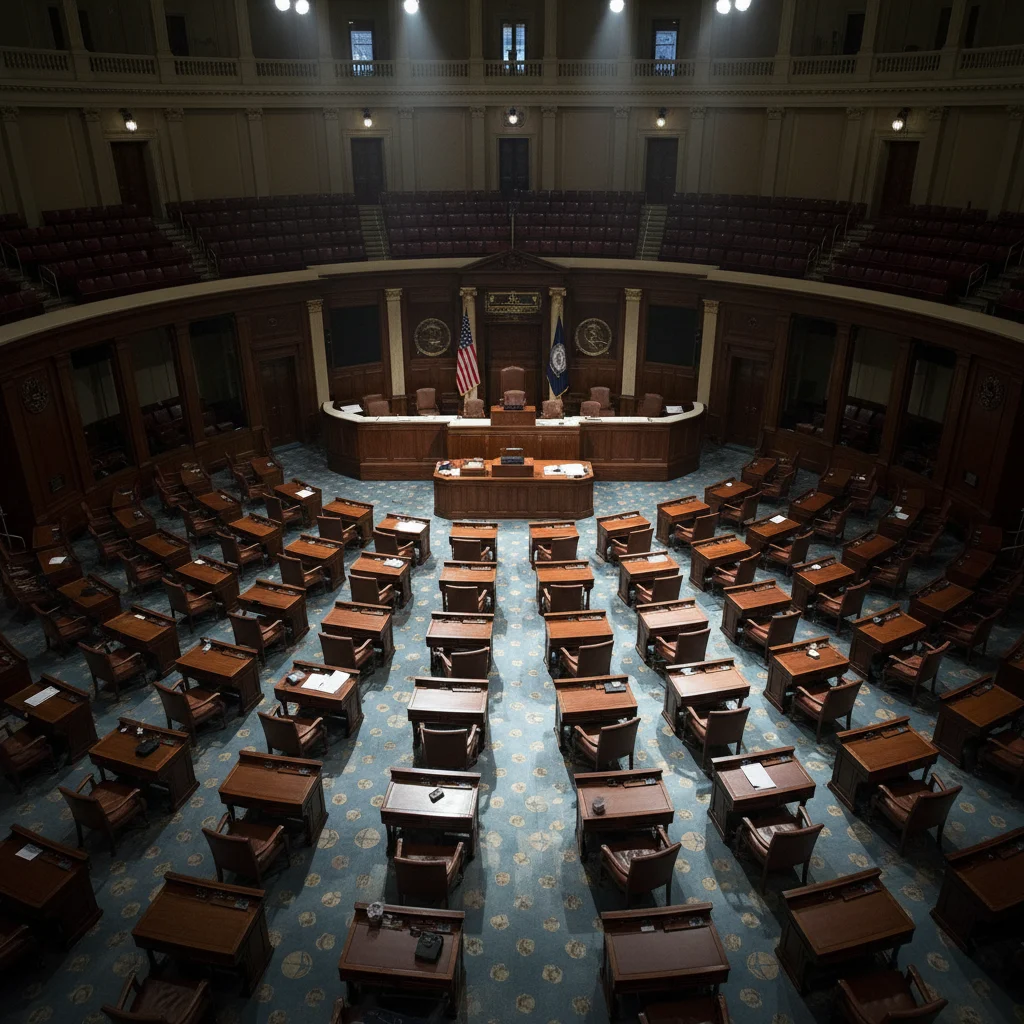
Thank you for reading this post, don't forget to subscribe!But there was a problem. The seats were mostly empty. Only 201 lawmakers were physically present on the House floor. The remaining 226 members had already left town for the Christmas holidays. Instead of standing in the chamber, they cast their votes by proxy. They did this under a temporary rule introduced during the height of the COVID-19 pandemic. By a vote of 225 to 201, the omnibus spending bill passed. President Joe Biden signed it into law soon after.
That moment set off a constitutional time bomb. Today, that bomb is ticking louder than ever. The U.S. Supreme Court is now being asked to step in. The justices must decide a question that could reshape how the federal government operates: Can Congress legally pass laws when a majority of its members are not physically in the building?
Texas Draws a Line in the Sand
The legal battle began in Lubbock, Texas. Attorney General Ken Paxton filed a lawsuit challenging the validity of the spending law. Texas did not just sue over the trillions of dollars in spending. Instead, state attorneys focused on a specific piece of legislation tucked deep inside the massive bill: the Pregnant Workers Fairness Act. This provision allowed employees to sue state agencies for failing to accommodate pregnancy-related medical conditions.
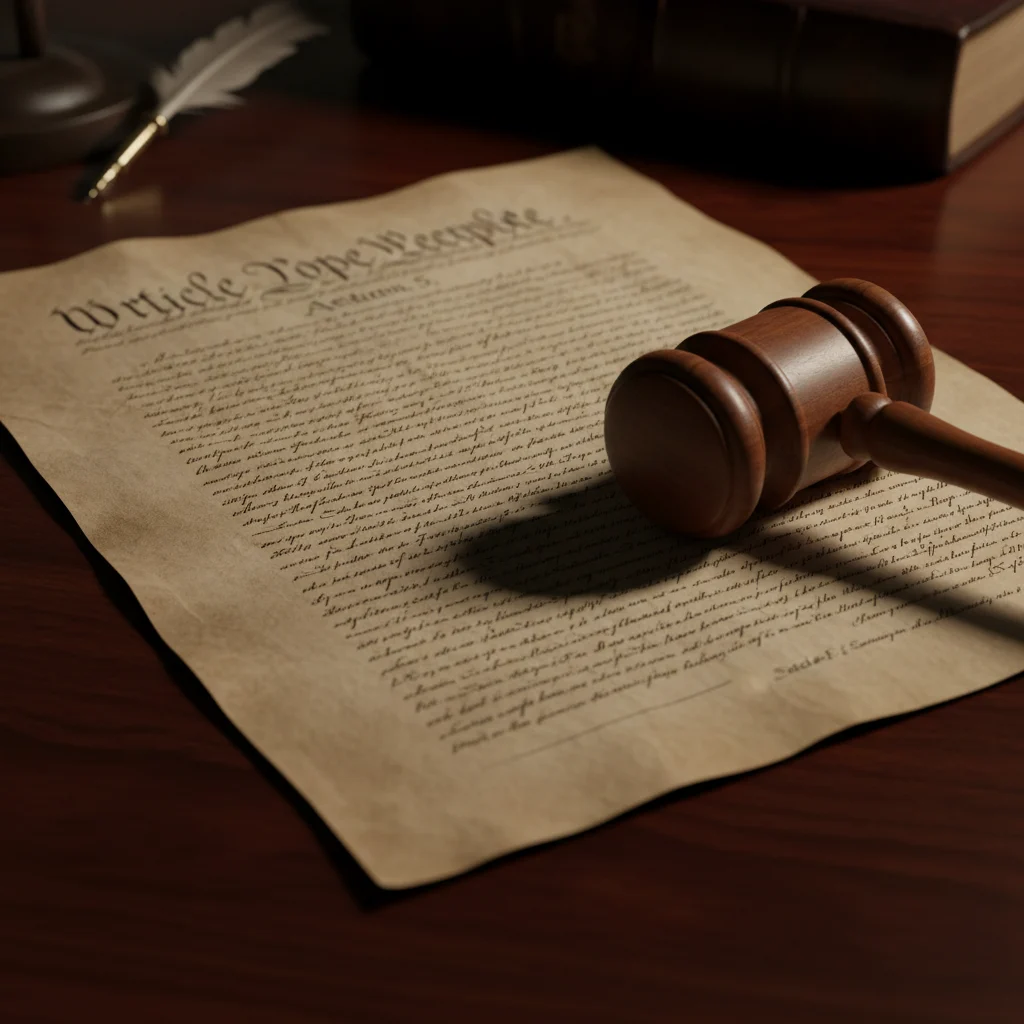
Texas argued that because the omnibus bill was passed without a physical quorum, the entire law was unconstitutional. Therefore, the state claimed, it could not be sued under the pregnant workers provision. The state pointed to the explicit language of the U.S. Constitution. Article I, Section 5 states that ‘a Majority of each [House] shall constitute a Quorum to do Business.’ To Texas, ‘majority’ means physical presence. You cannot be present if you are sitting on a beach in Florida or lounging at home in California.
Federal District Judge James Wesley Hendrix agreed. In a stunning February 2024 ruling, Hendrix held that the House violated the Constitution by passing the bill via proxy voting. He blocked the federal government from enforcing the pregnant workers law against Texas state agencies. The federal government quickly appealed, setting the stage for a dramatic showdown.
The Textualist Battle: What Does ‘Present’ Mean?
The legal fight hinges on a deep dive into 18th-century linguistics. Constitutional originalists argue that the Framers of the Constitution had a very clear understanding of what a quorum meant. In the late 1700s, there was no Zoom. There were no cell phones. If you wanted to vote on a law, you had to ride a horse to Philadelphia or Washington and stand in the room.
Legal scholars supporting the Texas position point to historical dictionaries from the era. These documents consistently define ‘present’ as being in the same physical space. The Framers were deeply worried about low attendance. They wanted to make sure a small faction of lawmakers could not sneak laws through an empty chamber. The Quorum Clause was their safeguard.
But the Biden administration paints a very different picture. Department of Justice lawyers argue that the Constitution gives each chamber of Congress the absolute right to determine its own rules of proceedings. Article I, Section 5 also says that ‘Each House may determine the Rules of its Proceedings.’ From this perspective, if the House decides that a proxy vote counts toward a quorum, the courts have no right to say otherwise. It is a matter of legislative independence.
GET FREE $1000 AMAZON GIFT CARD
The Doctrine of Judicial Hands-Off
The federal government’s defense relies heavily on a century-old legal doctrine known as the ‘enrolled bill rule.’ Established in the 1892 Supreme Court case Field v. Clark, this rule suggests that once the presiding officers of the House and Senate sign a bill and the president signs it, the courts must assume it was passed correctly. The judiciary is not supposed to go behind the curtain to check the attendance sheets or congressional journals.
For decades, this rule has kept the courts out of internal congressional squabbles. The Justice Department warns that if judges start policing how Congress votes, it will open a floodgate of litigation. Every disgruntled lawmaker who loses a vote could run to a federal judge claiming a procedural error. This, they argue, would violate the separation of powers.
However, critics of this view say the enrolled bill rule was never meant to shield clear constitutional violations. They argue that while Congress can make its own rules, those rules cannot violate the explicit text of the Constitution. If the Constitution requires a physical majority, then no house rule can override that command.
The Threat of Legal and Financial Chaos
The stakes in this case are incredibly high. If the Supreme Court ultimately rules that the 2022 spending package is unconstitutional because of proxy voting, the consequences could be catastrophic. The law did not just fund the government for a year. It also contained hundreds of policy changes, appointments, and long-term funding commitments. Striking down the entire law would throw federal operations into disarray.
Because of this, many legal experts believe the Supreme Court will try to find a middle ground. The court could rule that proxy voting is unconstitutional but limit the fallout. They might decide that only the specific provisions challenged by Texas are invalid, leaving the rest of the $1.7 trillion bill intact. Or they could rule prospectively, declaring that proxy voting is banned in the future but leaving past laws untouched.
Still, some conservative legal advocates want a sweeping decision. They see proxy voting as a symptom of a larger problem: a lazy Congress that delegates its authority to agencies and refuses to do the hard work of governing in person. A strict ruling would force lawmakers back to Washington, ending the era of remote-control lawmaking.
What Lies Ahead
As the petition sits before the Supreme Court, court watchers are analyzing every move. The conservative majority on the court has shown a strong preference for originalism and textualism. Justices like Clarence Thomas and Neil Gorsuch often look to the original public meaning of constitutional terms. For them, the definition of ‘present’ in 1787 could be the deciding factor.
On the other hand, the court’s pragmatic faction will worry about the practical fallout. Chief Justice John Roberts often seeks to protect the institutional standing of the court. He may hesitate to sign off on a ruling that threatens to invalidate hundreds of federal programs or spark a constitutional crisis between the branches of government.
No matter how the court rules, the case has already exposed a deep divide in American governance. It highlights the tension between constitutional originalism and the demands of modern crisis management. What started as a late-night vote in an empty House chamber has become a fundamental test of how American laws are made. The country now waits to see if the high court will rewrite the rules.
