
The Quiet Strategist: Inside Biden’s Low-Profile Midterm Campaign
The stage lights of the 2026 midterm elections have finally dimmed, and the political autopsy is underway. For months, pundits wondered how much former President Joe Biden would factor into the high-stakes battle for control of Congress. The answer, it turns out, depends entirely on where you looked.
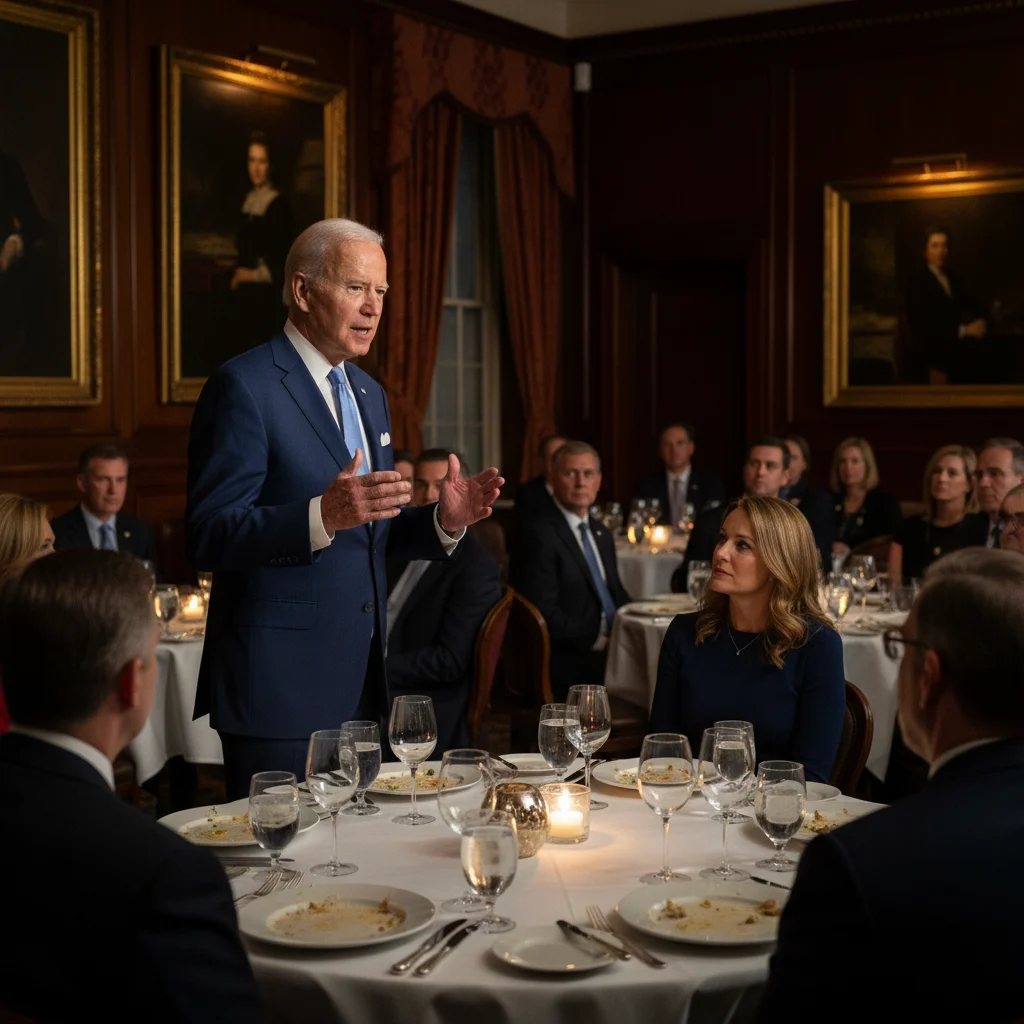
Thank you for reading this post, don't forget to subscribe!To the casual observer, Biden was barely there. He did not headline raucous arena rallies or dominate the cable news cycle. You did not see him trading barbs on social media daily. But behind the heavy oak doors of private dining rooms in Washington, Wilmington, and New York, the story was very different. The former president remained a central, if quiet, force in the Democratic Party’s midterm playbook.
Rather than acting as a public-facing figurehead, Biden chose a highly selective, almost stealthy approach. He focused on raising money, reassuring nervous donors, and offering tactical advice to a new generation of Democratic leaders. It was a calculated gamble. By keeping his public profile low, he deprived Republicans of their favorite midterm target. Yet, he still managed to keep his legislative legacy at the very center of the campaign.
The Cash and the Calls
Political campaigns run on money, and this is where Biden made his most significant mark. According to Democratic party officials who spoke on the condition of anonymity, the former president spent dozens of hours on the phone with wealthy donors who had grown anxious about the party’s direction. His message was consistent: stick to the plan, protect the legislative achievements of his term, and support candidates who could appeal to moderate swing voters.
“He didn’t need to be on television to be useful,” said Marcus Vance, a veteran Democratic strategist. “A single phone call from Joe Biden to a legacy donor in Chicago or San Francisco can secure a six-figure check for a tight House race in Pennsylvania. That is where his real power lay this cycle. He let the younger candidates take the spotlight while he worked the phones.”
This behind-the-scenes fundraising strategy allowed the party to funnel millions of dollars into key battlegrounds without triggering the polarized backlash that often accompanies a high-profile presidential visit. In competitive districts across the Rust Belt, local Democrats were able to run as independent-minded champions of their communities. They didn’t have to spend half their campaign defending the national party brand or Biden’s personal poll numbers.
A Legacy on the Ballot, Without the Man
Perhaps the most fascinating dynamic of the 2026 cycle was how Democrats handled Biden’s actual policy record. Candidates did not shy away from the landmark laws passed during his presidency. In fact, they ran on them constantly. But they did so without mentioning his name very often.

Across Ohio, Michigan, and Pennsylvania, Democratic candidates stood in front of newly paved highways, active construction sites, and freshly built semiconductor plants. They spoke passionately about the Bipartisan Infrastructure Law, the CHIPS and Science Act, and the green energy investments of the Inflation Reduction Act. These laws, once academic debates in Washington committee rooms, had become tangible realities in local communities. They meant jobs, better roads, and cleaner water.
“It was a policy-first, personality-second strategy,” explained Dr. Helen Ramirez, a political science professor who tracked Midwestern congressional races. “Candidates loved the money and the projects that Biden’s administration delivered. They just didn’t want the political baggage that comes with a polarized national figure. So, they praised the bills but skipped the bill-signer.”
This selective embrace was highly apparent in competitive Senate races. In states where Biden’s approval ratings had lagged during his final years in office, Democratic hopefuls kept their distance. They declined joint appearances and ducked questions about his overall presidency. Instead, they focused heavily on the local economic benefits of his policies, effectively decoupling the laws from the lawmaker.
Internal Debates Over the Invisible President
The decision to keep the former president under wraps was not without controversy. Within the Democratic coalition, a quiet but intense debate simmered throughout the summer of 2026. Progressive activists and some younger campaign managers argued that by hiding Biden, the party was playing defense. They wanted a loud, proud campaign that championed the administration’s progressive wins on student loan forgiveness, climate initiatives, and prescription drug price caps.
GET FREE $1000 AMAZON GIFT CARD
“We shouldn’t run like we have something to hide,” said one progressive organizer. “His policies are historic. If we don’t define his presidency proudly, the opposition will define it for us. Staying quiet in public feels like we are validating the Republican critique of our record.”
But pragmatism won the day. Party leadership, backed by moderate strategists, pointed to internal polling showing that swing voters in crucial districts were highly receptive to infrastructure and manufacturing projects, but grew deeply skeptical when those projects were tied directly to partisan national figures. The goal was to win elections, not win philosophical arguments on cable news. By keeping the focus on local results, the party managed to protect its most vulnerable incumbents.
Selective Blessings in Key Races
When Biden did step into the public eye, his endorsements were rare and deliberate. He did not hand out endorsements to every Democrat who asked. He saved his political capital for long-time loyalists, close personal allies, and specific races where his brand of moderate, working-class politics was an asset rather than a liability.

In Delaware and Pennsylvania, Biden’s presence was felt more directly. He made quiet visits to campaign offices, recorded radio ads for close friends, and issued statements supporting candidates who shared his blue-collar roots. For these campaigns, Biden’s endorsement was not a risk; it was a badge of honor. His appeal to older, union-affiliated, and working-class voters remains a potent force in these traditional Democratic strongholds.
Conversely, in the rapidly changing Sunbelt states like Arizona and Georgia, Biden was almost entirely absent. The campaigns in these regions were fought on different terrain, dominated by younger, more diverse electorates. Here, the national party recognized that a younger, fresher brand of politics was required to win. Biden’s absence was not a snub. It was a mutual agreement that local candidates needed the freedom to define themselves on their own terms.
The Republican Response
This stealth campaign presented a unique challenge for the Republican Party. Throughout the primary season, GOP strategists had prepared to run a standard midterm playbook: tie every single Democrat to Joe Biden and blame him for inflation, border security, and global instability. They spent millions on television ads attempting to paint local Democratic candidates as rubber stamps for the “Biden agenda.”
But the strategy lacked its usual punch because Biden refused to play the villain on cue. With the former president largely out of the daily news cycle, the attacks often felt disconnected from reality. When a Republican ad accused a local Democrat of being a puppet for the former president, that candidate could simply point to their own record, or to a local factory opening, and move on.
“It’s hard to run against a ghost,” said Sarah Jenkins, a Republican campaign consultant. “We wanted him out there on a big stage, making verbal gaffes and giving us fresh footage for attack ads. Instead, he stayed home or did quiet events. It forced our candidates to argue against the actual policies, which is a much harder sell when those policies are creating local construction jobs.”
The Legacy Left Behind
As the final ballots are tallied and the next Congress prepares to take office, the true impact of Biden’s 2026 strategy is becoming clear. By stepping back and letting others lead, he may have helped secure the future of the party he spent half a century serving.
His quiet stewardship prevented the midterms from becoming a referendum on his past administration, transforming them instead into a local debate over economic progress. The results suggest that while the public’s relationship with Biden himself remains complicated, the legislative foundation he laid is deeply popular. His selective endorsements and behind-the-scenes fundraising preserved critical seats, giving the next generation of Democratic leaders a solid platform to build upon as they look toward the 2028 presidential race.
Ultimately, Biden’s role in 2026 was that of an elder statesman who understood his own limitations. He knew when to speak, but more importantly, he knew when to stay silent. In the loud and chaotic world of modern American politics, that silence may have been his most effective weapon.
